
Loading...

Voice search has fundamentally changed how people find information online. You're creating great content, but if it sounds robotic or ignores how people actually speak, you're missing rankings. The gap between traditional SEO writing and voice query optimization costs you traffic. This guide shows you exactly how to write naturally for voice search while maintaining strong SEO performance in 2026.
| Point | Details |
|---|---|
| Voice search demands conversational format | Content must mirror natural speech patterns and question structures to rank |
| Humanizing AI text is essential | Natural tone drives both engagement metrics and search algorithm preferences |
| Common mistakes kill rankings | Keyword stuffing and robotic phrasing trigger penalties and user abandonment |
| Results require patience | SEO improvements from voice optimization typically appear within 3 to 6 months |
| FAQ formats drive visibility | Voice-optimized FAQ sections can boost snippet visibility by up to 35% |
Before you start optimizing content for voice search, you need specific foundational elements in place. Understanding these prerequisites saves time and prevents common mistakes that waste effort.
First, recognize that voice search is a dominant search method requiring new writing approaches in 2026. Traditional SEO tactics alone won't cut it anymore. You need to think differently about how users phrase queries when speaking versus typing.
Here's what you need before writing:
Pro Tip: Record yourself answering common customer questions naturally, then transcribe those recordings. This reveals the conversational patterns you should replicate in your written content.
The most successful voice search content creators don't just write differently. They fundamentally shift their mindset from keyword targeting to question answering. When you check out top AI content humanizers, look for tools that preserve your natural voice while optimizing for search. Your SEO timeline research should inform realistic expectations about when you'll see traffic improvements.
Creating voice-optimized content follows a specific sequence. Skip steps and your content sounds forced or fails to rank. Follow this process to get both natural tone and search visibility.
Start with conversational keyword research focusing on long-tail phrases. Look for how people actually ask questions in your niche. Voice queries average 3 to 5 words longer than typed searches.
Structure your content with FAQ sections and direct answer paragraphs. Voice assistants pull from these formats first. Voice-optimized FAQs increase snippet visibility by 35%, making this formatting crucial.
Write using first and second person pronouns naturally. Say "you can" instead of "one can" and "we recommend" instead of "it is recommended." This matches how people actually speak.
Use AI humanizing tools to humanize AI text if you started with generated drafts. These tools reduce robotic tone that damages both user experience and rankings.
Optimize meta descriptions for featured snippets by providing complete, concise answers. Voice assistants read these aloud, so clarity matters more than keyword density.
| Writing Stage | Traditional SEO Approach | Voice Search Approach |
|---|---|---|
| Keyword Selection | Short, high volume terms | Long-tail, question-based phrases |
| Content Structure | Keyword-focused paragraphs | FAQ and direct answer formats |
| Tone | Formal, keyword-heavy | Conversational, natural speech patterns |
| Meta Descriptions | Keyword stuffed summaries | Clear, complete answer statements |
Pro Tip: Read your content aloud before publishing. If it sounds unnatural or you stumble over phrases, rewrite those sections. Voice assistants will struggle with the same awkward phrasing.
You can also repurpose content for voice search by transforming existing articles into question and answer formats. This saves time while expanding your voice search footprint. Check voice search snippet visibility data regularly to see which formats perform best in your industry.
Voice search optimization fails when content sounds mechanical. You need specific techniques to keep writing natural while hitting SEO targets. The balance matters because voice assistants prioritize content that matches how people actually communicate.
Use conversational pronouns consistently throughout your content. Write "you'll find" instead of "one will find" and "we've tested" instead of "testing has shown." This simple shift makes enormous difference in how natural your content feels when read aloud.
Leverage tools that maintain human tone in AI writing when editing drafts. These platforms identify stiff phrasing and suggest natural alternatives. They catch robotic patterns you might miss during self-editing.
Answer voice search questions completely and directly. Users asking voice queries want immediate, clear responses. Skip the fluff and background that traditional blog posts use to pad word counts. Get to the point fast, then provide supporting details.
Pro Tip: Imagine explaining your topic to a friend over coffee. That casual, helpful tone is exactly what voice search content needs. If you wouldn't say it in conversation, don't write it.
Humanizing AI-generated content techniques become essential when you're producing content at scale. The key is preserving authenticity while maintaining efficiency. Your content should sound like a knowledgeable person helping someone, not a database returning results.

Avoid overly formal language that creates distance between you and readers. Terms like "utilize" should become "use" and "commence" should become "start." Simpler words sound more natural and match how people actually speak when asking voice queries.
Even experienced content creators make critical errors when adapting to voice search. Understanding these mistakes helps you avoid them and maintain strong rankings.
Keyword stuffing remains the most damaging mistake. Repeating target phrases unnaturally triggers search penalties and sounds terrible when voice assistants read content aloud. Focus on natural language first, keywords second.
Many writers neglect meta descriptions or treat them as afterthoughts. Voice assistants pull heavily from these summaries when answering queries. Craft clear, complete answer statements that work as standalone responses.
Ignoring conversational style costs you rankings and engagement. About 60% of voice content failures stem from robotic phrasing that doesn't match natural speech patterns. Users bounce quickly from content that sounds artificial.
Remember: voice search users want immediate, natural answers. Every sentence should sound like something you'd actually say to someone asking for help. Formal, stiff writing fails both user experience and algorithmic requirements.
Here are specific mistakes to avoid:
You can fix common AI writing mistakes systematically by learning to identify robotic patterns. Look for overly formal constructions, passive voice, and unnecessarily complex vocabulary. Replace these with simpler, more direct alternatives.
Testing is crucial. Read your content aloud or use text-to-speech tools to hear how it sounds. If you notice awkward phrasing or unnatural rhythm, rewrite those sections before publishing.
Understanding realistic timelines and measurable benefits helps you commit to voice search optimization. Results don't appear overnight, but the improvements compound over time.
Typical SEO result timeline for voice search content ranges from 3 to 6 months. This matches general SEO timelines but can accelerate if you target less competitive long-tail queries. Early wins come from specific, conversational questions in your niche.
Voice-optimized FAQ sections deliver measurable improvements. Properly formatted FAQs can increase snippet visibility by up to 35%, significantly boosting traffic from voice queries. This format aligns perfectly with how voice assistants extract and present information.
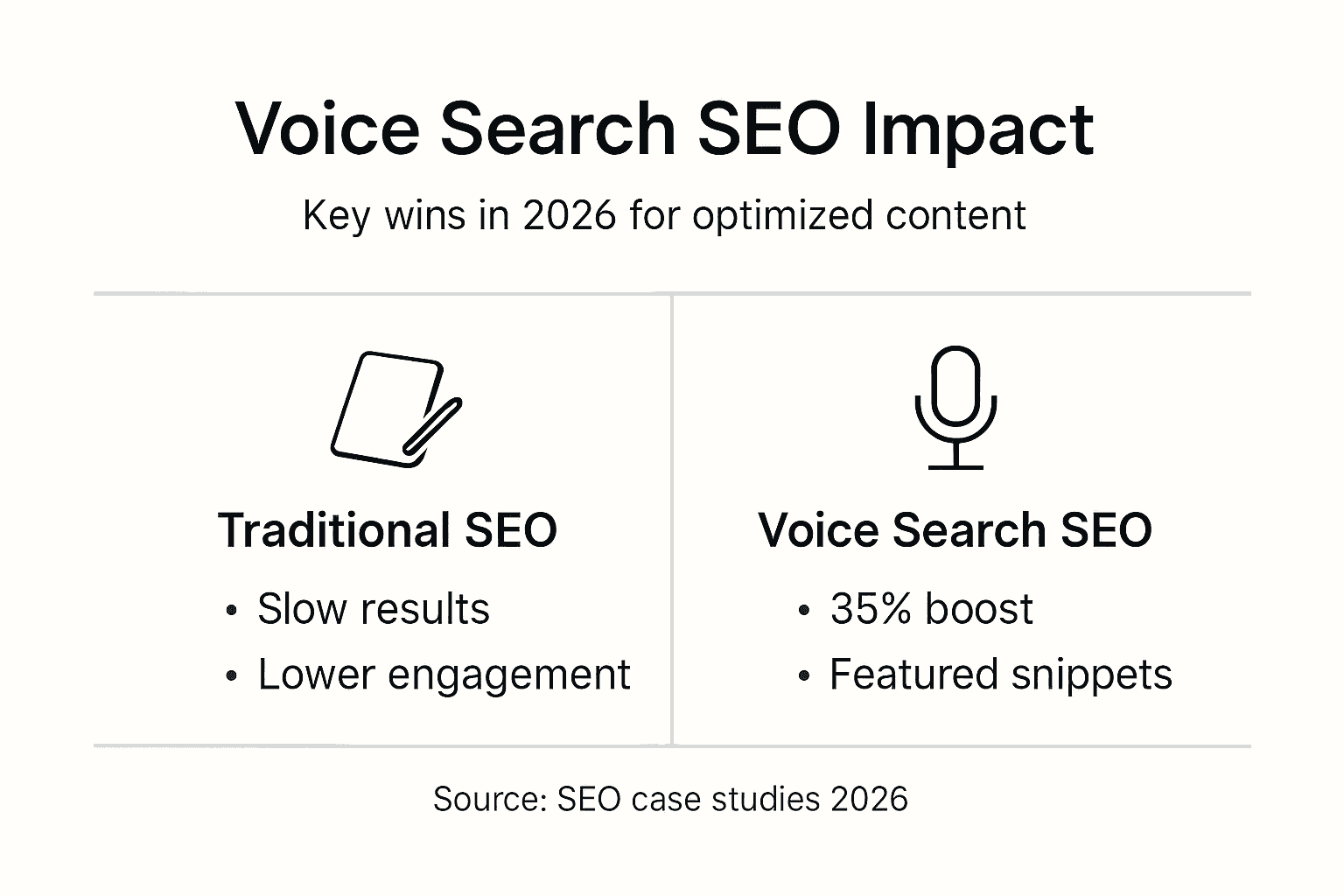
Humanized content style boosts user engagement by approximately 50% compared to robotic alternatives. Higher engagement signals search engines that your content satisfies user intent, improving rankings across all search types.
| Metric | Traditional SEO Content | Voice-Optimized Content |
|---|---|---|
| Average Query Length | 2 to 3 words | 5 to 7 words |
| Featured Snippet Rate | 8 to 12% | 25 to 35% |
| Bounce Rate | 45 to 55% | 30 to 40% |
| Time to Results | 4 to 8 months | 3 to 6 months |
| User Engagement | Baseline | 50% improvement |
You'll notice early indicators before full results appear. Watch for increases in long-tail keyword rankings, featured snippet appearances, and time spent on page. These signals confirm your voice search optimization is working.
Check your SEO improvement timeline study progress monthly. Track specific voice-query rankings, not just overall traffic. Voice search grows your total search visibility while traditional typed searches continue performing.
The compound effect matters most. Each piece of voice-optimized content builds authority and captures more conversational queries. Over six months, you'll see significant traffic increases from voice search sources.
Writing naturally for voice search while maintaining SEO effectiveness requires the right tools. You've learned the strategies, but execution determines results.
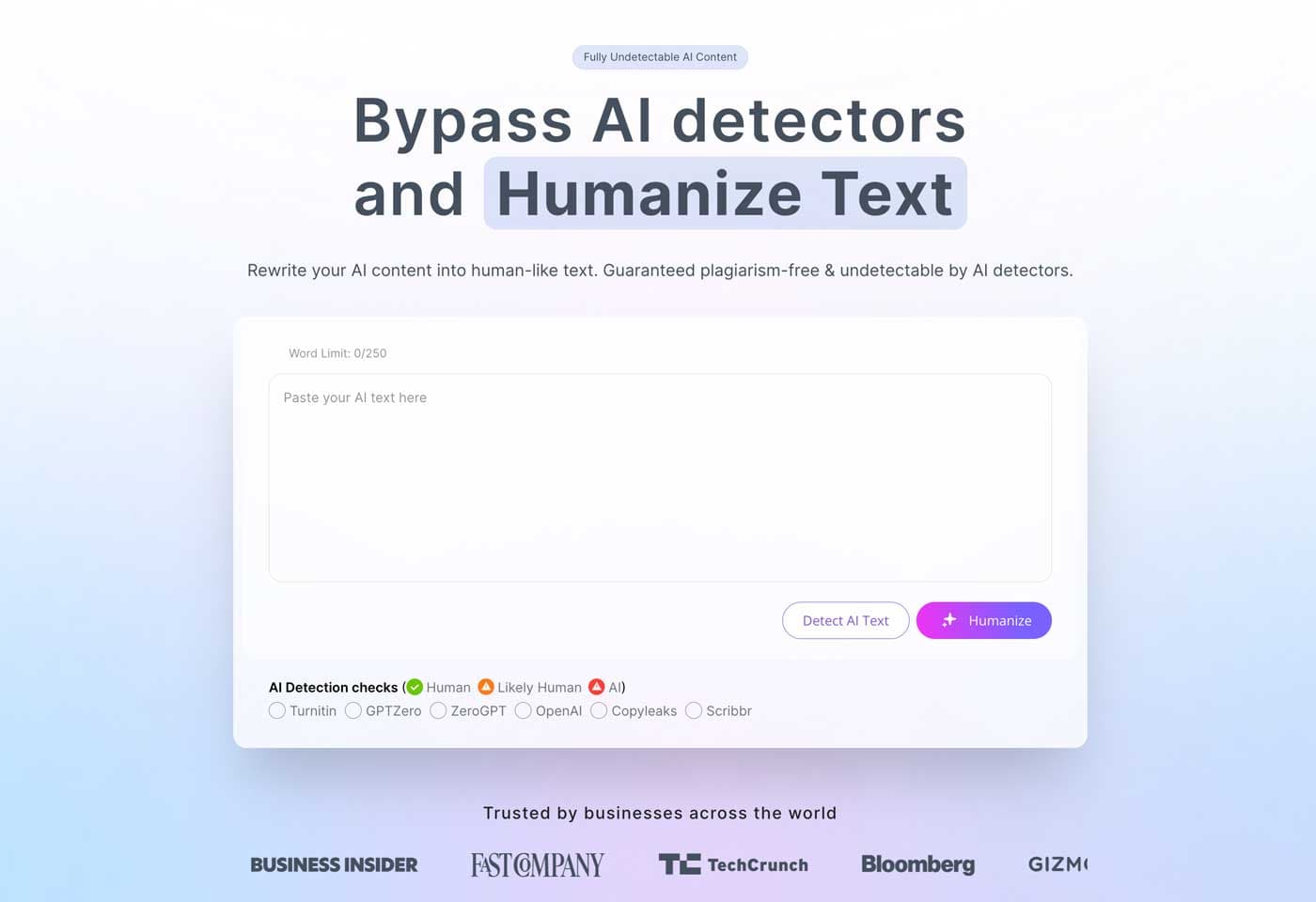
Semihuman.ai offers specialized AI tools designed to humanize your AI-generated content while preserving search optimization. The platform identifies robotic phrasing and suggests natural alternatives that match conversational voice search patterns. You maintain efficiency without sacrificing authenticity.
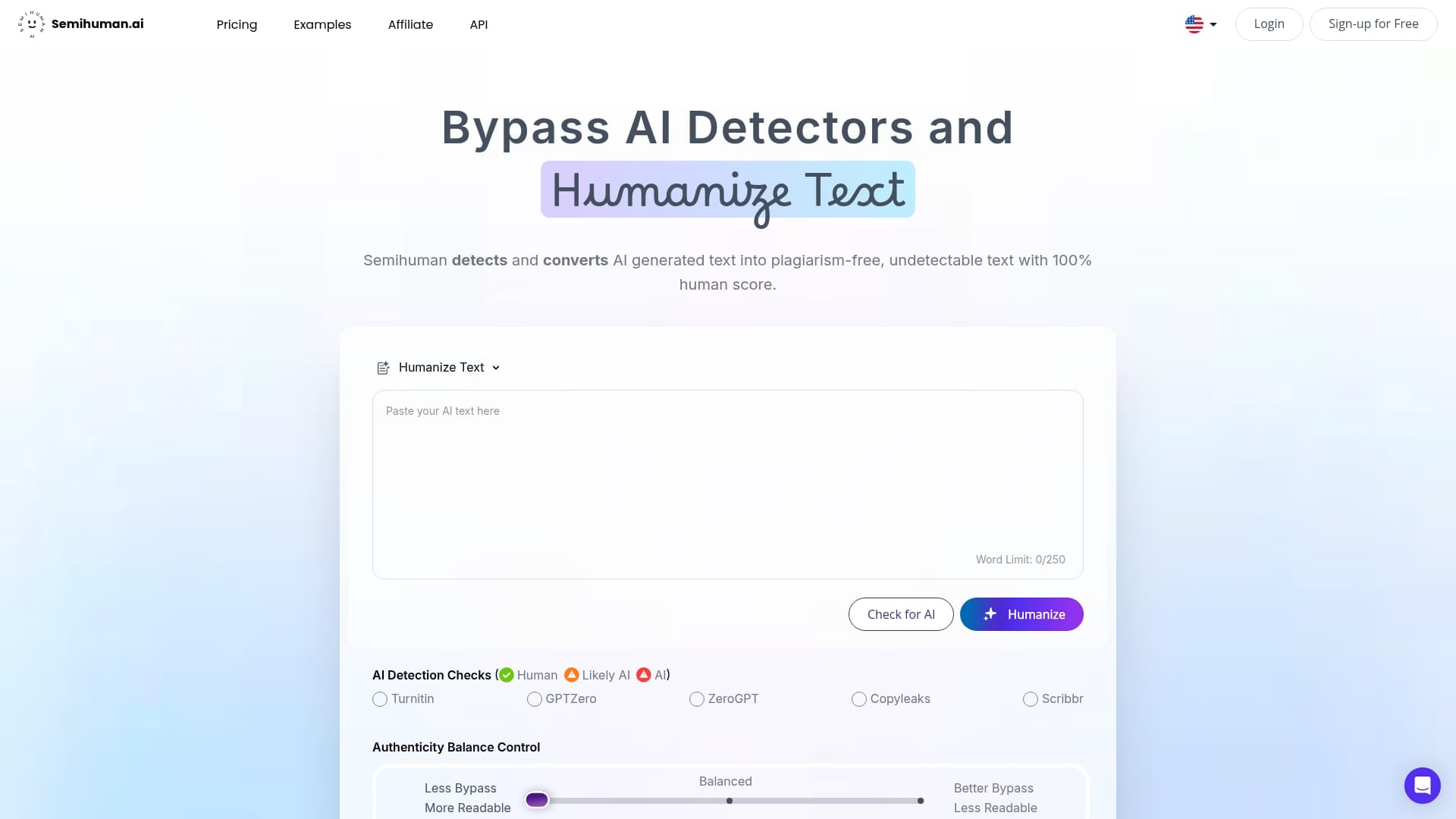
When you explore top AI humanizers, you'll discover tools specifically built for voice search content. These platforms help transform stiff, keyword-focused drafts into engaging, natural content that ranks. The best tools preserve your unique voice while ensuring search visibility.
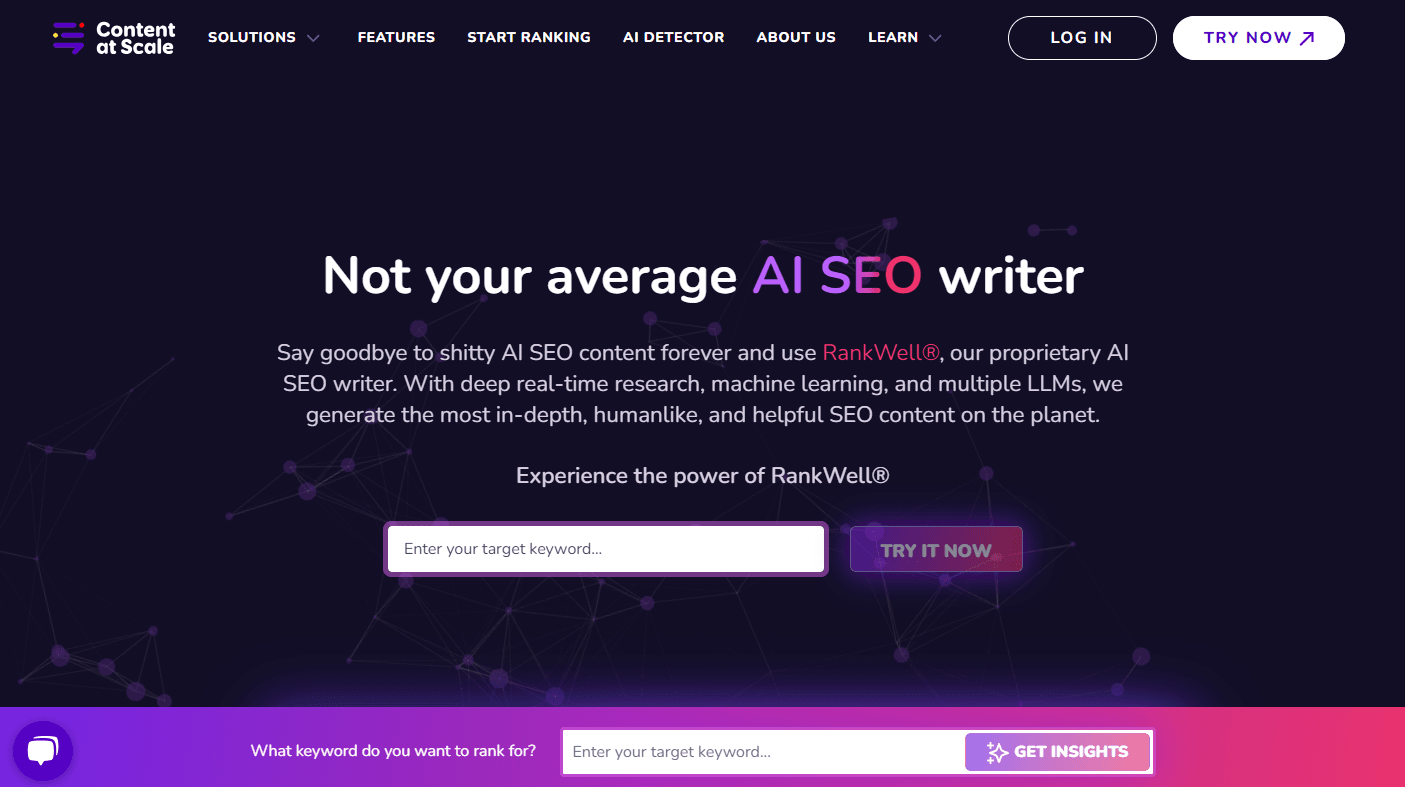
Leverage SEO text generation tools to streamline your voice search content production. These solutions combine conversational tone requirements with technical SEO needs, saving hours of manual editing. Start transforming your content today for superior voice search performance and measurable traffic growth.
Focus on longer, conversational, question-based keywords that mirror natural speech patterns. Voice queries typically use 5 to 7 words and include phrases like "how do I" or "what's the best way to." Prioritize local intent signals and long-tail variants that match how people actually ask questions aloud.
Expect measurable improvements within 3 to 6 months of consistent voice search optimization. Early wins often appear in featured snippet rankings and long-tail query positions. Track specific voice-query keywords separately from traditional metrics to monitor progress accurately.
Voice assistants prioritize content that matches natural speech patterns because it delivers better user experience. Humanized content engages readers longer, signals quality to algorithms, and sounds better when read aloud. This combination drives higher rankings and more featured snippet selections.
Start by optimizing high-performing content and pages targeting question-based queries. Transform these into FAQ formats and conversational structures first. You can repurpose existing content gradually rather than rewriting everything immediately, focusing on pages with the highest traffic potential.
Keyword stuffing and robotic phrasing damage rankings severely because they create poor user experience. Neglecting meta descriptions costs featured snippet opportunities. Ignoring natural conversational tone causes both algorithmic penalties and user abandonment. Avoid overly technical jargon without simple explanations that match how people speak.


Start
Humanizing
for Free!
Humanize