
Loading...

Most American students are surprised to learn that missing a single assignment requirement can lower their grade by up to 20 percent. Staying compliant with academic expectations is a challenge at every educational level, especially when guidelines differ from one class to another. This guide walks you through the step-by-step process that top American students use to clarify assignments, organize research, and create original work that meets strict academic standards.
| Key Point | Explanation |
|---|---|
| 1. Define Assignment Requirements Clearly | Thoroughly review assignment prompts to understand length, format, and expectations to avoid grade penalties. |
| 2. Gather Credible Sources Methodically | Focus on authoritative academic sources that align with your research objectives, documenting their relevance in a tracking system. |
| 3. Create Engaging Original Content | Transform research findings into a unique narrative, integrating personal insights while maintaining scholarly integrity. |
| 4. Integrate Keywords Naturally | Weave relevant terminology into your writing smoothly to enhance clarity, avoiding forced or unnatural placements. |
| 5. Verify Content Against AI Detection | Employ multiple checks with AI detection tools to ensure originality, refining your work to avoid flags for automated scrutiny. |
Your first crucial task is decoding exactly what your academic assignment demands. Think of this like solving a strategic puzzle where understanding the rules determines your success. Academic assignments come with specific requirements that can dramatically impact your final grade if missed.
Start by meticulously reviewing every detail of your assignment prompt. This means carefully examining expected length, formatting guidelines, research expectations, citation styles, and submission protocols. Clarify the intended audience and purpose to ensure your work aligns precisely with academic expectations. Pro tip: Create a personal checklist breaking down each requirement into actionable items. Circle or highlight key instructions to guarantee nothing slips through the cracks.
Warning: Overlooking even minor details can result in significant grade penalties. Always confirm requirements directly with your instructor if anything seems unclear. Small clarification conversations now can prevent major headaches later. Your next step involves translating these requirements into a strategic writing plan that systematically addresses each academic expectation.
This step transforms your assignment from a vague concept into a solid research roadmap. Your mission is to find authoritative sources that will substantiate your academic arguments and create a strategic content blueprint that guides your entire writing process.
Assessing source credibility requires a critical and systematic approach. Evaluate each potential source by examining its origin, author credentials, publication date, scholarly reputation, and alignment with your research objectives. Academic databases, peer reviewed journals, and scholarly publications should be your primary hunting grounds. Research planning involves understanding your assignment parameters and selecting relevant secondary sources that directly support your academic goals. Create a research tracking spreadsheet to document potential sources, their key arguments, and how they connect to your specific assignment requirements.
Warning: Avoid the temptation to collect sources indiscriminately. Quality trumps quantity every time. Each source should serve a clear purpose in building your academic argument. Your next step involves carefully analyzing and synthesizing these sources into a coherent content outline that meets your assignment specifications.
Transforming academic research into engaging original writing requires more than just stringing together facts. Your goal is to breathe life into your content by developing a unique perspective that reflects your intellectual voice while maintaining scholarly credibility.

Evaluating sources critically and integrating them meaningfully means going beyond surface level reporting. Analyze your research sources deeply and look for connections that others might have missed. Your personal insights and interpretations are what transform academic writing from mechanical to memorable. Incorporate sources ethically by engaging meaningfully with their content, ensuring that each reference adds nuance and depth to your original argument.
Warning: Avoid the trap of passive source regurgitation. Your writing should demonstrate intellectual ownership through thoughtful synthesis and original analysis. Each paragraph should reflect your unique understanding, not just a compilation of quoted material. Your next step involves refining your draft to ensure your personal academic voice shines through while maintaining scholarly rigor.
Mastering academic writing requires more than simply inserting keywords randomly. Your objective is to weave strategic terminology seamlessly into your prose, creating a sophisticated narrative that sounds both intelligent and authentic.
Organizing research notes systematically helps you integrate keywords with precision and purpose. Think of your keywords as critical signposts that guide readers through your intellectual landscape. Strategically structuring information allows for smoother academic communication, ensuring that each technical term serves a meaningful communicative function rather than feeling forced or artificial.
Warning: Keyword stuffing destroys academic credibility. Your goal is subtle integration that enhances comprehension, not a mechanical repetition that sounds robotic. Each technical term should feel like a natural extension of your argument, providing clarity and depth. Your next step involves carefully reviewing your draft to confirm that your academic language flows organically while maintaining scholarly rigor.
Navigating the complex landscape of academic integrity requires a strategic approach to ensuring your content passes sophisticated AI detection systems. Your mission is to transform your writing into a seamless representation of original thought that can withstand the most rigorous automated scrutiny.
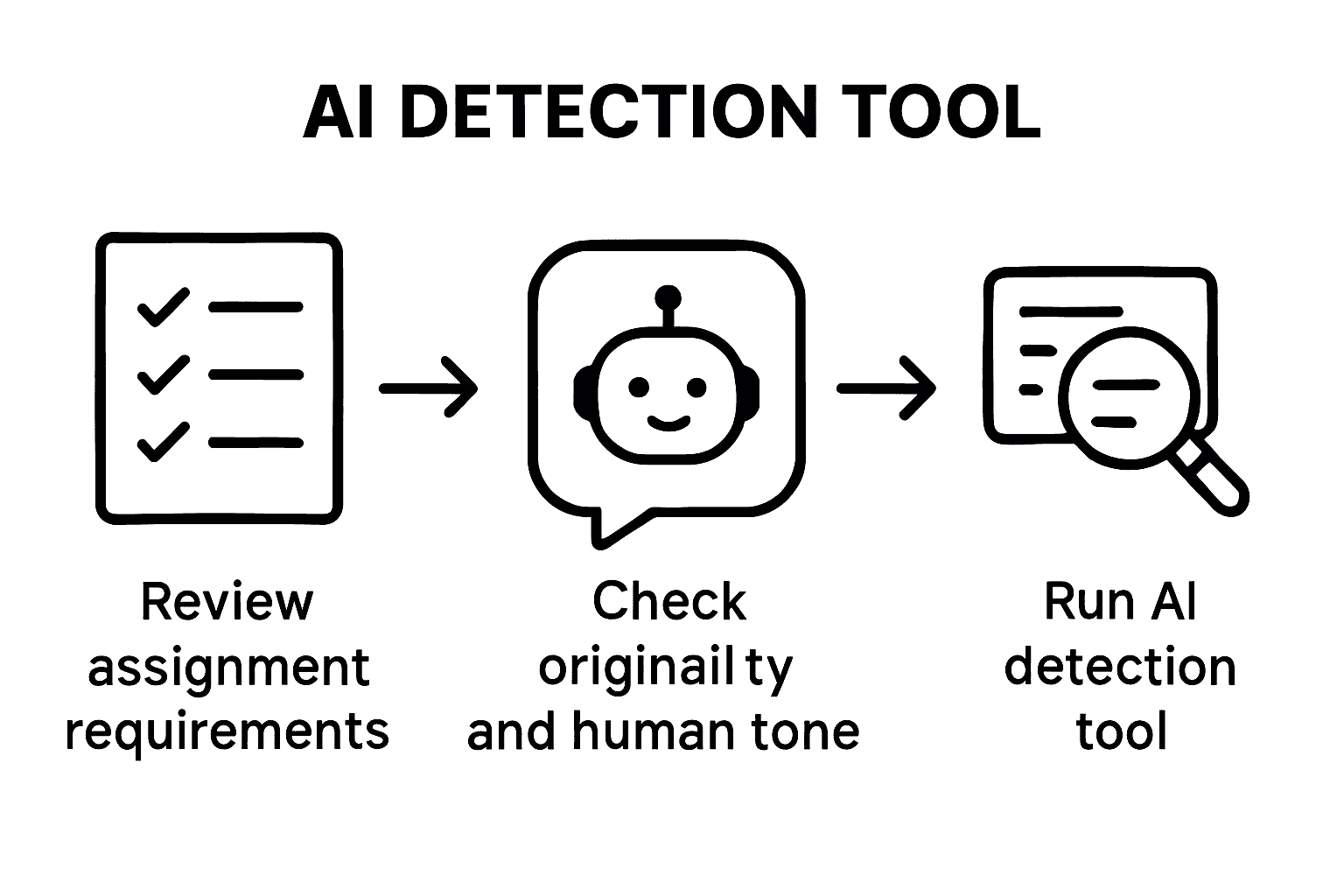
Developing a comprehensive compliance strategy means understanding how AI detection tools analyze content. These systems look beyond surface level text matching to evaluate linguistic patterns, semantic coherence, and stylistic nuances that distinguish human from machine generated writing. Incorporating information literacy skills into your writing process helps you anticipate and preempt potential detection triggers by creating more authentic and contextually rich content.
Warning: No single technique guarantees complete AI detection evasion. Overconfidence can lead to overlooking critical details that might flag your content. Approach verification as an iterative process of refinement and careful review. Your next step involves running multiple detection checks and making subtle adjustments to preserve your unique academic voice while maintaining the highest standards of originality.
Academic writing demands precision in meeting assignment requirements, integrating credible sources, and maintaining originality while passing AI detection tools. If you struggle with transforming AI-generated drafts into authentic, human-like content that flows naturally and aligns with your academic goals, you are not alone. The pressure to craft compliant content that meets rigorous standards can cause frustration and risk your grades.
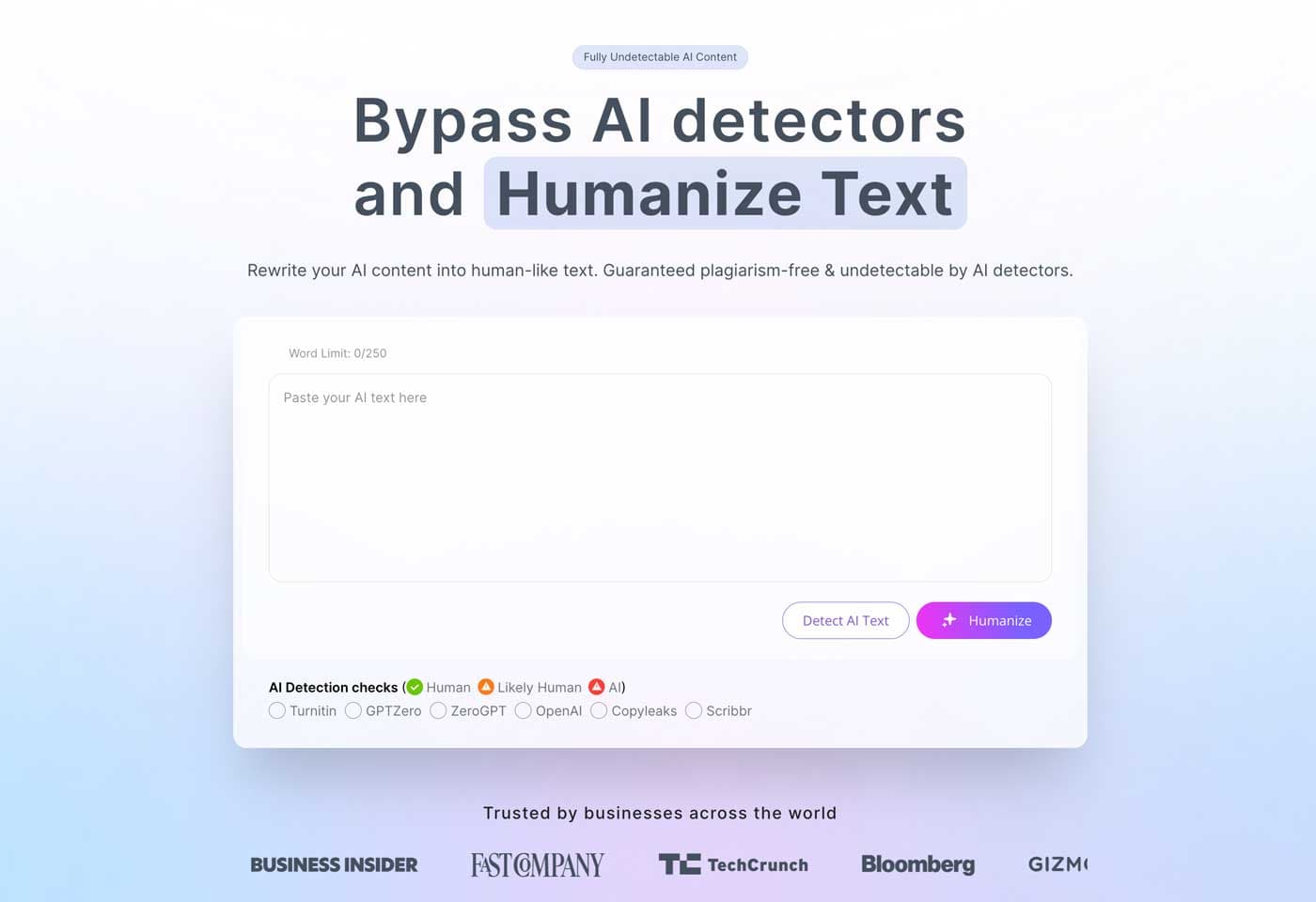
Semihuman.ai is designed specifically to address these challenges. Our AI-powered platform helps you restructure and humanize AI-produced text, ensuring your writing passes advanced AI detection systems like Turnitin and GPTZero without losing your unique academic voice. Whether you need to integrate keywords smoothly or verify compliance with AI detectors, Semihuman.ai offers reliable tools that elevate your content quality and protect against plagiarism concerns.
Ready to take control of your academic writing journey and create genuinely original content with confidence?
Master writing compliant academic content today and experience the difference that authentic humanization makes.
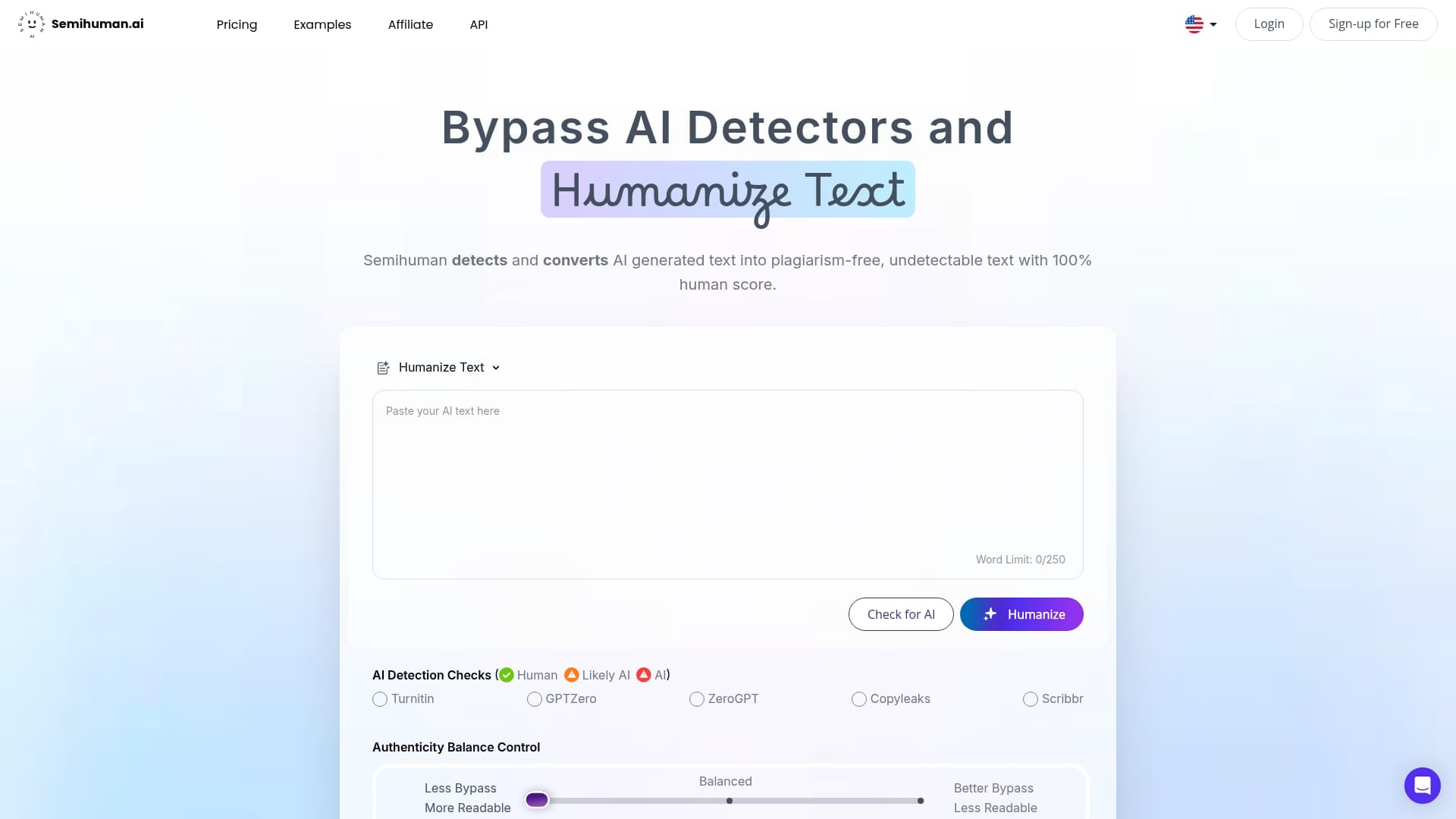
Start your transformation now with Semihuman.ai and ensure your academic content stands out for all the right reasons. Visit Semihuman.ai to get started.
To ensure compliance, start by thoroughly reviewing your assignment prompt and creating a checklist of requirements. Break down specific expectations such as length, formatting, and citation style to systematically address each one as you write.
Identify authoritative sources by focusing on academic databases, peer-reviewed journals, and scholarly publications. Create a research tracking spreadsheet to document sources and their relevance to your assignment, ensuring each source contributes directly to your argument.
Develop your academic voice by analyzing your sources for deeper insights and connections that others may overlook. Aim to synthesize your findings into a unique perspective instead of just reporting facts, which will enhance your writing's originality.
Incorporate keywords related to your subject matter seamlessly within the text to maintain a flow that feels natural. Organize your research notes to strategically place keywords where they add clarity and enhance comprehension without sounding forced.
Develop a content compliance strategy by focusing on the originality of your writing and avoiding mechanical language. Regularly run checks for AI detection and refine your content based on the feedback to maintain your unique voice while ensuring it meets academic integrity standards.


Start
Humanizing
for Free!
Humanize