
Loading...

Most marketers believe text is the foundation of digital marketing, but data reveals a different story. Visual content increases engagement by 150% over text-only posts, yet text remains essential for SEO and conversions. The real question isn't which medium wins, but how to strategically combine both for maximum impact. This guide explores the science behind visual and textual content effectiveness, compares their marketing outcomes across key metrics, and provides actionable strategies to optimize your content mix for higher engagement and conversions in 2026.
| Point | Details |
|---|---|
| Visual content drives engagement | Images and videos capture attention faster and generate significantly higher social media interactions than text alone. |
| Text powers SEO and conversions | Well-crafted copy improves search rankings, communicates detailed value propositions, and guides users toward action. |
| Combined approach yields best results | Integrating visuals with strategic text creates the most effective marketing content for engagement and conversion. |
| Platform preferences vary | Instagram and TikTok favor visuals heavily, while LinkedIn and blogs require substantial text for credibility. |
| Audience goals determine balance | Educational content needs more text, while brand awareness campaigns benefit from visual-first strategies. |
Humans process visual information 60,000 times faster than text, making images and videos powerful tools for capturing attention in crowded digital spaces. This processing speed translates directly into marketing performance. Visual content increases social media engagement by up to 150% over text-only posts, demonstrating why brands prioritize visual strategies.
The psychological impact of visuals extends beyond initial attention. Visual content improves memory retention by 65% compared to text alone, helping audiences remember your brand long after they scroll past your post. This retention advantage explains why logos, color schemes, and consistent visual branding create stronger brand recall than written descriptions ever could.
Different visual formats perform uniquely across platforms:
Pro Tip: Match your visual format to your marketing goal. Use short-form videos for awareness, detailed infographics for education, and authentic product photos for conversion-focused campaigns.
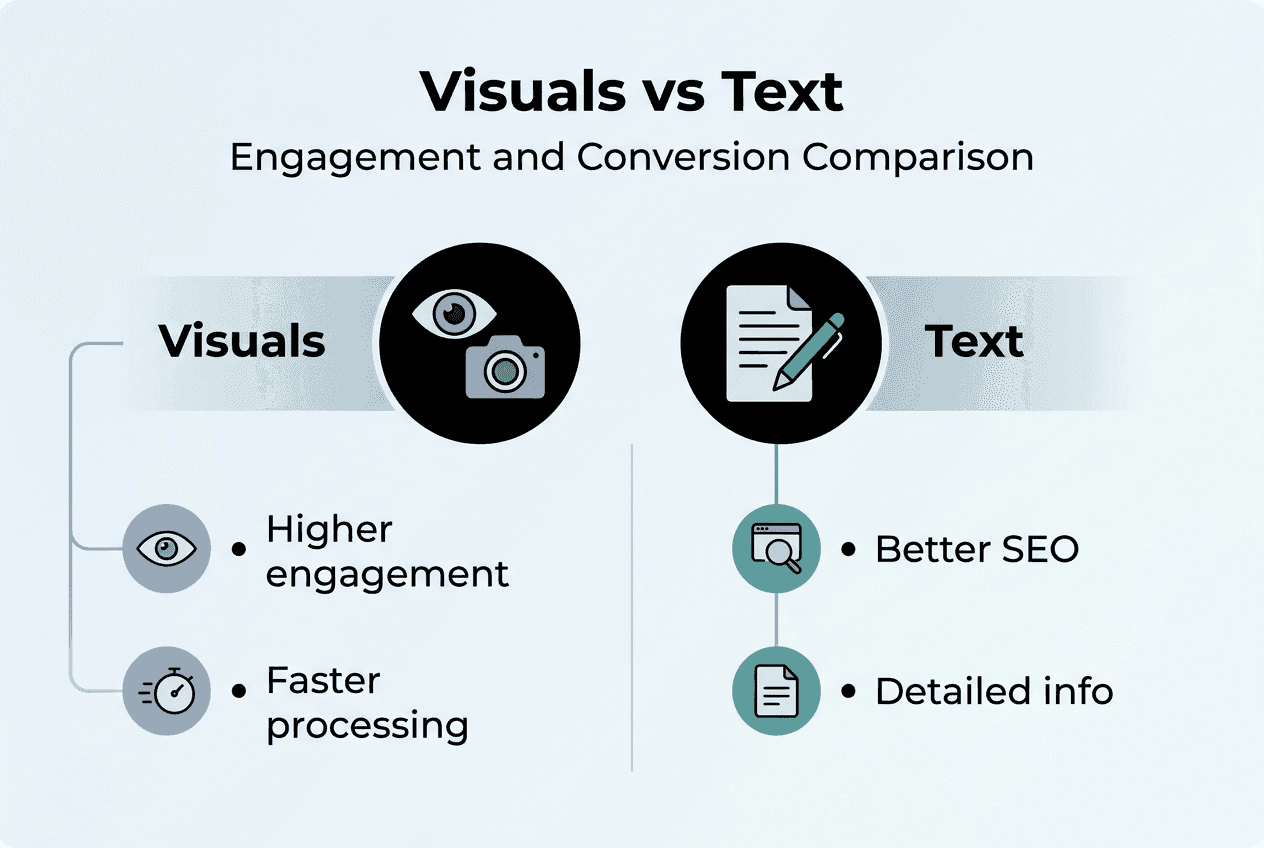
The effectiveness of visual elements in content creation varies by platform architecture. Instagram's algorithm prioritizes visually striking content, while Pinterest users actively search for inspirational images. Understanding these platform-specific preferences helps you allocate visual production resources where they'll generate the highest return.
Color psychology plays a crucial role in visual marketing effectiveness. Red creates urgency and excitement, blue builds trust and professionalism, while green suggests growth and wellness. Strategic color choices in your visuals can increase brand recognition by 80% and influence purchasing decisions before a single word is read.
Movement captures attention more effectively than static images. Animated graphics, cinemagraphs, and video content stop the scroll and hold viewer attention 5 times longer than still images. This attention advantage translates into more opportunities to communicate your message and drive desired actions.
While visuals capture attention, text provides the depth and detail necessary for informed decision-making. Written content communicates complex benefits, technical specifications, and nuanced value propositions that images alone cannot convey. High-quality text drives organic traffic and conversions through search engine optimization, making it indispensable for long-term marketing success.
Search engines rely primarily on textual content to understand, index, and rank web pages. Strategic keyword placement, semantic relevance, and comprehensive topic coverage in your written content determine whether your target audience can find you through organic search. Without optimized text, even the most visually stunning content remains invisible to potential customers searching for solutions.
Persuasive copywriting directly influences conversion rates by addressing objections, highlighting benefits, and creating urgency. Well-crafted headlines increase click-through rates by 500%, while compelling product descriptions can double conversion rates compared to generic text. The specific words you choose matter enormously for guiding prospects toward purchase decisions.
Text provides essential context that transforms visuals from decorative elements into strategic communication tools. A powerful image might stop the scroll, but accompanying copy explains why the visual matters and what action viewers should take next. This contextual layer bridges the gap between attention and conversion.
Key textual elements that drive marketing performance include:
Pro Tip: Write your copy first, then select or create visuals that amplify your written message. This sequence ensures your content strategy remains focused on substantive communication rather than decorative design.
Effective copywriting techniques balance clarity with persuasion. Short sentences maintain readability, while strategic repetition of key benefits reinforces your value proposition. Active voice creates momentum and positions your brand as the solution provider rather than a passive observer.
Text accessibility features like alt text, captions, and transcripts serve dual purposes. They make your content available to users with disabilities while providing additional opportunities to include relevant keywords that strengthen your SEO performance. These textual elements ensure your marketing reaches the widest possible audience while improving search visibility.
Direct comparison reveals how visuals and text perform across critical marketing metrics, helping you allocate resources strategically based on specific campaign goals.

| Metric | Visuals | Text | Combined Approach | | --- | --- | --- | | Social engagement rate | 150% higher than text-only | Baseline performance | 300% higher than either alone | | SEO ranking impact | Minimal direct effect | Primary ranking factor | Optimized images enhance text SEO | | Conversion influence | Strong for impulse purchases | Essential for considered purchases | Highest conversion rates overall | | Information retention | 65% after three days | 10% after three days | 80% with complementary elements | | Mobile performance | Faster load, higher engagement | Better for detailed research | Balanced approach wins |
Engagement metrics consistently favor visual content on social platforms. Instagram posts with images receive 23% more engagement than text updates, while tweets with images earn 150% more retweets. However, this engagement advantage doesn't automatically translate into conversions without supporting text that guides action.
Search engine optimization remains text-dominated territory. Google's algorithms analyze written content for relevance, authority, and comprehensiveness. While image optimization contributes to SEO through alt text and file names, the primary ranking signals come from textual elements like headlines, body copy, and metadata.
Combining visuals with text yields the highest marketing effectiveness across all performance indicators. Landing pages with both compelling images and persuasive copy convert 86% better than pages emphasizing only one element. This synergy effect explains why successful marketing campaigns integrate both media types strategically.
Audience preferences shift based on platform context and purchase stage:
The quality versus quantity debate applies differently to visuals and text. One exceptional infographic can generate more engagement than ten mediocre blog posts, yet comprehensive written guides build authority that short visual posts cannot match. Strategic marketers recognize these complementary strengths rather than forcing false competition.
Mobile usage patterns influence visual versus text effectiveness significantly. Smartphone users prefer scannable visual content during brief browsing sessions but switch to detailed text when researching purchases. Understanding these context-dependent preferences helps you deliver the right content format at the right moment in the customer journey.
Successful integration starts with using visuals to capture attention while reserving text for delivering depth and driving action. Your image or video should stop the scroll and create emotional resonance, while your headline and body copy explain why that emotion matters and what viewers should do next.
Sequencing matters enormously for content effectiveness. Lead with a striking visual that communicates your core message instantly, then support it with concise text that adds context and guides the next step. This visual-first, text-second approach mirrors how audiences naturally consume content on digital platforms.
Clear, concise text amplifies visual impact rather than competing with it. Limit headlines to 6-8 words that complement your image's message. Keep body copy focused on one key benefit per paragraph. Use bullet points to break up text and create visual breathing room that maintains readability.
Best practices for visual-text integration include:
Pro Tip: Test your content by viewing it without sound and without images separately. If your message doesn't work in both scenarios, revise until each element can stand alone while working better together.
Common mistakes undermine the potential synergy between visuals and text. Text-heavy infographics overwhelm viewers and dilute visual impact. Conversely, beautiful images paired with generic copy waste the attention visuals generate. Balanced content creation requires intentional design where each element serves a specific strategic purpose.
Accessibility considerations strengthen both user experience and SEO performance. Every image needs descriptive alt text that communicates its content and purpose to screen readers. Video content requires captions that make your message accessible while providing additional text for search engines to index. These accessibility features demonstrate inclusive writing for digital audiences while improving discoverability.
Customer journey mapping reveals where to emphasize visuals versus text. Top-of-funnel content benefits from visual-heavy approaches that build awareness quickly. Middle-of-funnel content needs balanced integration as prospects evaluate options. Bottom-of-funnel content should feature detailed text with supporting visuals that reinforce key decision factors.
Web design architecture affects how visuals and text work together. Strategic layout choices guide eye movement from visual anchors to textual calls-to-action. F-pattern and Z-pattern layouts leverage natural reading behaviors to ensure both visual and textual elements receive appropriate attention in the sequence that drives conversions.
Creating the perfect balance between engaging visuals and compelling text requires significant time and expertise. Semihuman AI empowers marketers to generate SEO-optimized, authentic content that seamlessly integrates with your visual marketing strategy. Our SEO text generator creates persuasive copy that complements your visual content while maintaining the human touch that drives genuine engagement.
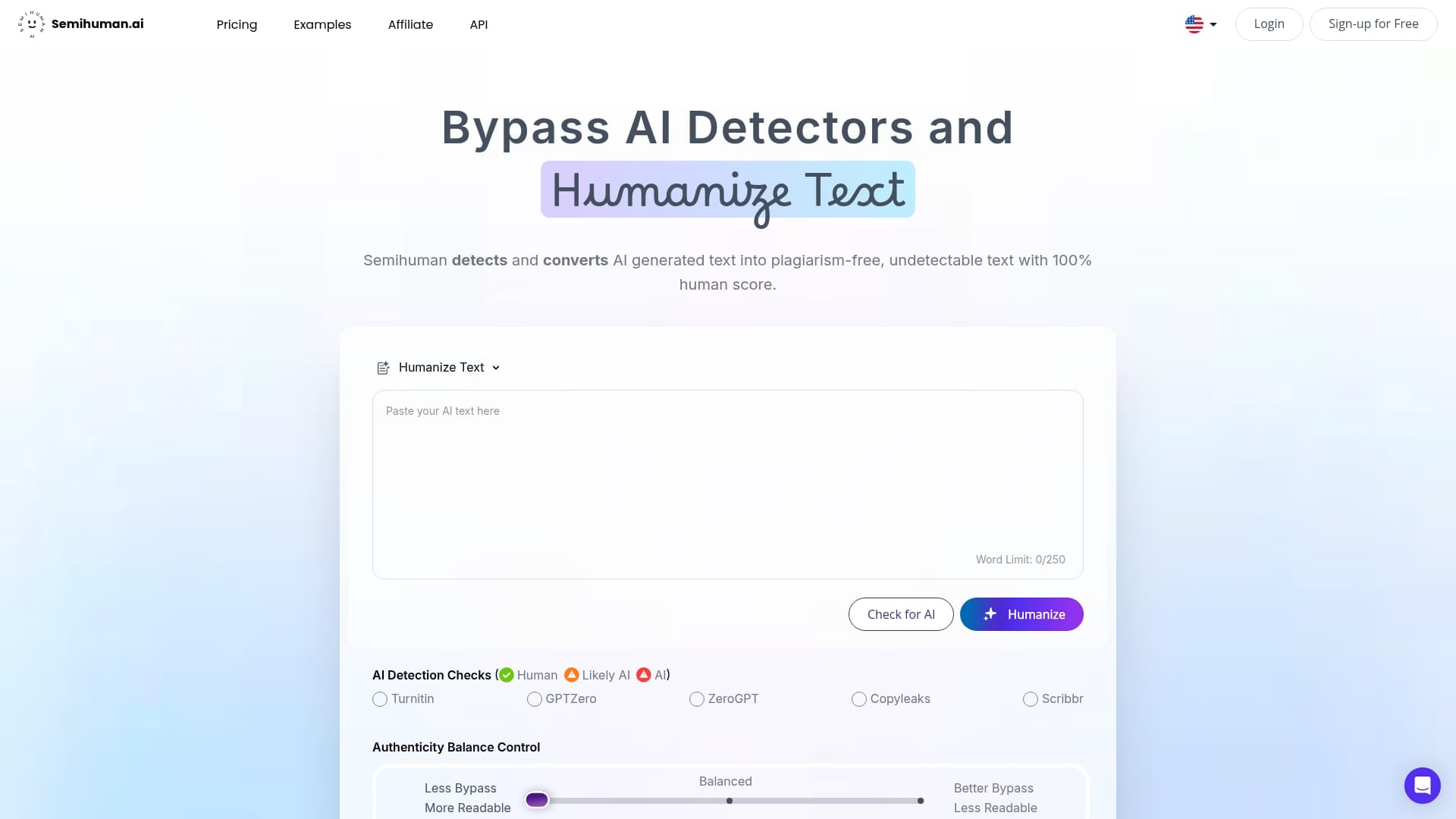
Whether you need product descriptions that convert, blog posts that rank, or social media captions that resonate, our AI-proof writing tools deliver content that feels naturally human while meeting your marketing objectives. Transform your content creation workflow and bypass AI detection while maintaining the authentic voice your audience trusts.
Videos, infographics, and high-quality images generally perform well across platforms, with videos generating the highest share rates and infographics driving substantial traffic increases. Choosing the optimal format depends on your specific audience preferences, platform algorithms, and marketing goals. User-generated visual content often outperforms branded photography by building authentic trust and relatability with your target audience.
Use descriptive text with relevant keywords alongside optimized images to create comprehensive content that search engines can understand and rank effectively. Include detailed alt text and captions for every visual element to enhance accessibility while providing additional keyword opportunities. This balanced approach ensures your content performs well in both traditional search results and image search, maximizing your organic visibility across multiple discovery channels.
Visuals alone rarely provide enough detail for strong conversion rates, especially for complex products or services requiring explanation. Text provides essential context, addresses specific objections, and includes persuasive elements needed to drive action. While visual-first strategies work well for brand awareness and emotional connection, sustainable marketing success requires strategic integration of both media types to guide prospects through the complete customer journey.
Instagram, TikTok, and Pinterest prioritize visuals heavily, with their algorithms rewarding high-quality images and videos through increased reach and engagement. LinkedIn and traditional blogs rely more on detailed text content to establish thought leadership and provide substantive value. Understanding these platform-specific preferences helps you adapt your content mix to match where your audience spends time and what they expect from each channel.


Start
Humanizing
for Free!
Humanize