
Loading...

Most readers decide in seconds whether to stay or leave a page. Effective user experience in written content suddenly becomes the difference between connection and confusion. By understanding the elements that make text both clear and engaging, writers can create pieces that truly resonate. This guide uncovers what sets exceptional content apart and gives you practical insight into writing that attracts, informs, and keeps your audience interested.
| Point | Details |
|---|---|
| User Experience (UX) Goes Beyond Readability | UX in written content involves creating a purposeful interaction with readers, anticipating questions, emotions, and cognitive processes while presenting information clearly. |
| Tailored Strategies for Content Types | Different written content types require specific UX strategies, such as emotional engagement for marketing or clarity for technical documentation. |
| Key Elements of Content Experience | Effective content combines cognitive accessibility, emotional resonance, and strategic visual design to create meaningful reader interactions. |
| Common Pitfalls to Avoid | Writers should watch for cognitive overload and lack of emotional context, focusing on clear, structured narratives tailored to reader personas. |
User experience (UX) in written content goes far beyond simple readability. It represents a holistic approach to crafting text that seamlessly connects with readers, engaging them intellectually and emotionally. According to research from Cambridge Core, the concept of user experience has evolved significantly since Norman first introduced the term in 1995, emphasizing an interdisciplinary strategy focused on understanding user needs.
At its core, user experience in written content involves creating a purposeful interaction between the text and the reader. This means designing content that not only communicates information but also anticipates and addresses the reader's potential questions, emotional states, and cognitive processes. As highlighted by PMIPPRC, UX extends well beyond traditional product design, applying critically to how information is structured, presented, and consumed.
Key elements that define exceptional user experience in written content include:
Successful UX writing transforms text from a mere information delivery mechanism into an immersive, meaningful communication experience. It requires a deep understanding of audience psychology, narrative flow, and the subtle art of making complex ideas feel approachable and compelling.
By prioritizing the reader's journey, writers can create content that doesn't just inform but genuinely connects and resonates.
For those looking to dive deeper into content strategy, check out our comprehensive guide to user intent that complements these UX writing principles.
User experience in written content isn't a monolithic concept but a nuanced landscape that varies dramatically across different content types. According to research from IFIP, universal human needs fundamentally influence how we perceive and interact with different written experiences, suggesting that each content type requires a tailored approach to user engagement.
Content types each demand unique user experience strategies. Academic writing, marketing copy, technical documentation, creative writing, and journalistic pieces all require distinct user experience considerations. While academic content might prioritize logical structure and precise language, marketing copy needs emotional resonance and persuasive storytelling. Technical documentation demands clarity and step-by-step precision, whereas creative writing thrives on narrative flow and imaginative engagement.
Key user experience considerations across written content types include:
As highlighted by WAC, understanding user experience transcends traditional writing boundaries, encompassing broader life skills and human interaction dynamics. Professional writers must recognize that effective communication isn't just about transferring information, but creating meaningful connections that resonate with readers' deeper needs and experiences.

For creators looking to enhance their content's human touch, our examples of content humanization provide practical insights into transforming text from mere information to compelling narrative experiences.
Content experience is a complex interplay of design, psychology, and strategic communication. According to research from Virginia Tech Publishing, structured content design plays a critical role in improving user experience by facilitating better content discovery and ensuring consistent engagement across different platforms.
Core elements that shape content experience extend far beyond simple text presentation. These include cognitive accessibility, emotional resonance, visual hierarchy, narrative flow, and interactive potential. Writers and content creators must carefully orchestrate these elements to create meaningful connections with their audience. Each component works like a sophisticated instrument in an orchestra, where the harmony determines the overall impact and effectiveness of the communication.
Key components that critically influence content experience include:
As highlighted by California State University, understanding user requirements is fundamental to designing exceptional content experiences. This means going beyond surface-level writing and deeply understanding the psychological and practical needs of your target audience. Successful content doesn't just communicate information – it creates an immersive, meaningful interaction that resonates with readers on multiple levels.
For creators seeking to elevate their content strategy, our copywriting tips for better marketing results offer practical insights into crafting more engaging and impactful written experiences.
Engagement is the heartbeat of compelling written content, transforming passive reading into an active, immersive experience. According to insights from GeeksforGeeks, visual design plays a crucial role in enhancing user experience, with strategic presentation significantly impacting how readers interact with and perceive content.
Content optimization requires a multifaceted approach that goes beyond mere text composition. Successful engagement strategies involve psychological understanding, strategic formatting, emotional resonance, and intelligent design choices. Writers must become architects of attention, carefully constructing content that captures and maintains reader interest through carefully calibrated narrative techniques and interactive elements.
Key strategies for optimizing content engagement include:
As highlighted by GeeksforGeeks, user interface design fundamentally impacts content consumption, demonstrating that engagement is as much about presentation as it is about substance. Great content speaks directly to the reader's needs, curiosities, and emotional landscape, transforming information from a monologue into a dynamic, two-way conversation.
For creators looking to dive deeper into crafting authentic, engaging content, our guide on benefits of humanized content provides comprehensive insights into creating more resonant, compelling writing experiences.
Written content often falls victim to subtle yet significant mistakes that can dramatically undermine user experience and engagement. While there's no universal blueprint for perfect writing, understanding common pitfalls can help creators navigate the complex landscape of effective communication.
Content creation challenges emerge from multiple sources, ranging from cognitive overload to emotional disconnection. Writers frequently struggle with balancing technical accuracy and emotional resonance, often defaulting to overly complex language or generic, uninspired narratives. These missteps can transform potentially compelling content into dense, unreadable text that fails to connect with its intended audience.
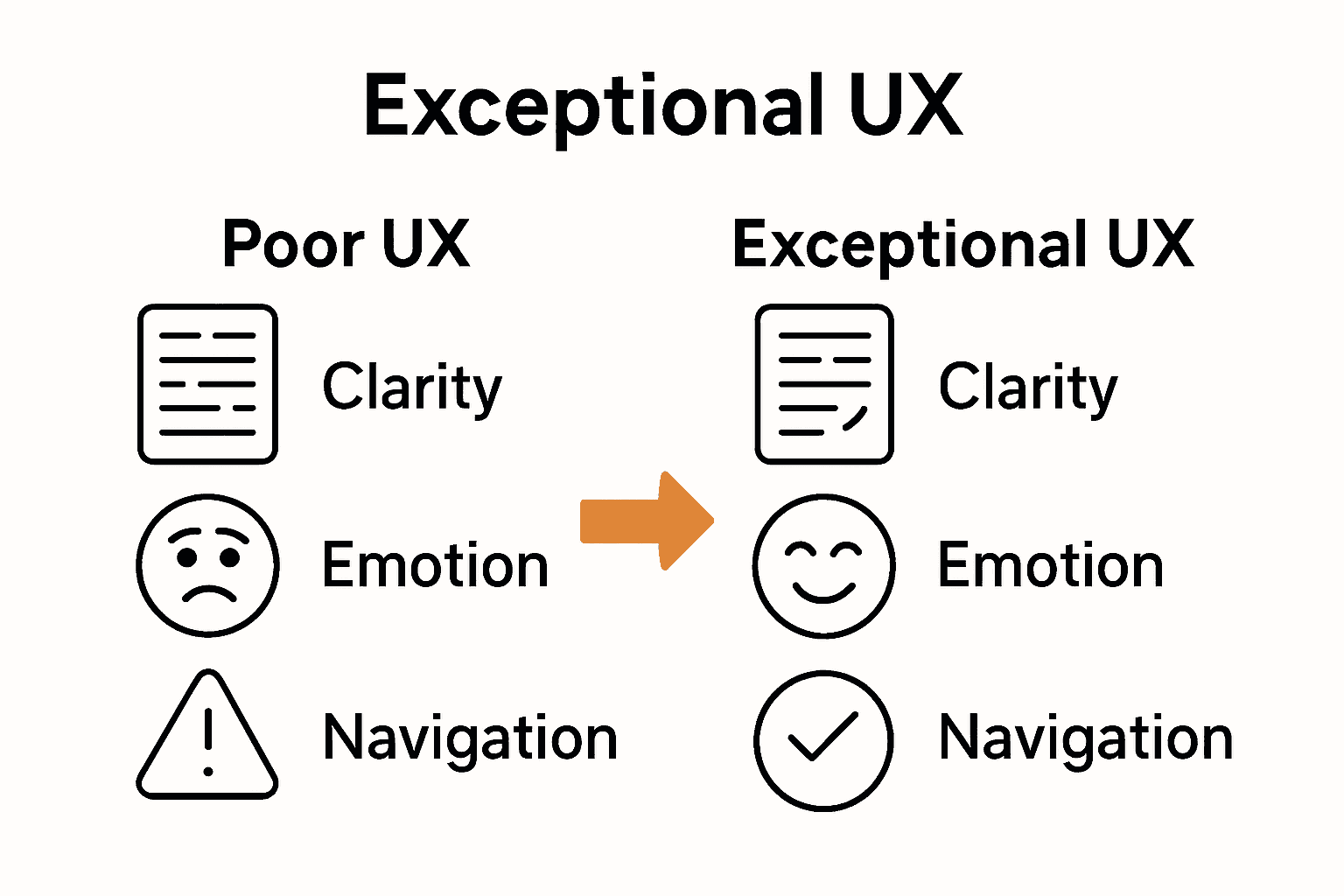
Common user experience pitfalls in written content include:
Effective content creation requires a strategic approach that anticipates and mitigates potential engagement barriers. This means continuously refining your writing process, soliciting feedback, and developing a deep understanding of your audience's expectations and communication preferences. Successful writers view their work as a dynamic conversation, constantly adapting their approach to maintain reader interest and comprehension.
For creators seeking to elevate their content strategy and avoid common writing pitfalls, our guide on benefits of authentic content offers comprehensive insights into creating more compelling, resonant writing experiences.
Crafting written content that truly connects with readers requires more than just words on a page. This article highlights the importance of clarity, emotional resonance, and strategic narrative flow in enhancing user experience. Yet many creators face challenges like cognitive overload and maintaining authentic engagement. If you want to transform AI-generated drafts into naturally human-like texts that captivate and resonate, that is where Semihuman.ai can help.

Unlock the power of AI-human collaboration to create content that feels genuine and personalized. Semihuman.ai specializes in humanizing AI-produced content, improving SEO, and evading AI detection tools such as Turnitin and GPTZero. Whether you are a content creator, marketer, or student, our platform offers the tools you need to ensure your writing flows naturally and connects emotionally. Start enhancing your content authenticity today by visiting Semihuman.ai. Discover how our solutions align perfectly with the UX principles discussed in this guide by exploring our website and dive into practical tips on benefits of humanized content that bring your writing to life.
Take the next step to make your written content more engaging and authentic now at https://semihuman.ai.
User experience in written content refers to the overall interaction a reader has with text, focusing on elements like clarity, accessibility, emotional resonance, and the structure of information to create a meaningful connection.
To enhance user experience, prioritize clarity and emotional engagement, structure your content effectively, manage cognitive load, and ensure accessibility for diverse readers.
Key elements shaping content experience include cognitive accessibility, emotional resonance, visual hierarchy, narrative flow, and contextual relevance, all of which help in making a connection with the audience.
Common pitfalls in content creation include cognitive overload, lack of emotional context, inconsistent narrative flow, ignoring reader personas, and neglecting visual hierarchy. Avoiding these will enhance user engagement.




Start
Humanizing
for Free!
Humanize