
Loading...

Over one third of American graduate students now use AI-powered tools to refine their academic writing and safeguard against plagiarism. Academic success hinges on more than simply drafting content. As technology reshapes research practices worldwide, scholars are turning to innovative solutions to strengthen originality and meet rigorous publication standards. This overview clarifies how trusted AI tools are transforming academic writing, offering practical ways to improve authenticity and maintain scholarly integrity.
| Point | Details |
|---|---|
| Integration of Technology | Technology enhances academic writing efficiency but requires clear critical evaluation from researchers. |
| Role of AI Tools | AI tools support various aspects of writing but should not replace human expertise and judgment in the research process. |
| Challenges of Plagiarism | Advanced detection algorithms are essential for maintaining academic integrity amid evolving evasion strategies. |
| Ethical Compliance | Adherence to ethical standards in research is crucial, emphasizing transparency and proper citation practices. |
Technology has revolutionized the landscape of academic writing, transforming traditional research and composition processes through intelligent digital tools. Artificial Intelligence is increasingly integrated into academic writing, providing researchers with powerful capabilities that enhance writing efficiency, accuracy, and accessibility.
Modern academic technology offers sophisticated tools designed to support researchers across multiple dimensions. These technological solutions include advanced grammar checkers, automated paraphrasing systems, content generation assistants, comprehensive reference managers, and AI-powered research summarization platforms. Each tool serves a specific purpose: improving language precision, reducing manual editing time, ensuring consistent formatting, and helping academics navigate complex writing requirements.
However, the integration of technology in academic writing is not without nuanced challenges. Academic writing remains a complex skill involving research, citation, argumentation, and originality, with AI serving as a facilitator rather than a replacement for human intellectual work. Researchers must maintain critical thinking skills, exercise ethical judgment, and use technological tools as supportive mechanisms rather than complete substitutes for scholarly expertise.
Pro tip: When using AI writing tools, always review and personally verify every generated section to maintain academic integrity and ensure the work reflects your unique scholarly perspective.
Here's a comparison of key AI tools and how they support academic writing:
| Tool Type | Main Function | Impact on Writing |
|---|---|---|
| Grammar Checker | Corrects language errors | Improves clarity and style |
| Reference Manager | Organizes sources and citations | Ensures proper referencing |
| Content Generator | Suggests or drafts text | Speeds up composition |
| Paraphrasing System | Rewrites existing content | Enhances originality |
| Summarization Platform | Condenses research materials | Saves time on literature |
Academic research writing has undergone a significant transformation with the emergence of advanced AI technologies. Generative AI, particularly large language models, now support academic writing by enhancing quality and efficiency across multiple stages of research composition, from initial outlining to final editing processes.

These sophisticated AI tools offer researchers powerful capabilities that streamline complex writing tasks. Key functionalities include advanced grammar correction, intelligent content suggestion, automated reference management, research summarization, and contextual writing assistance. By leveraging machine learning algorithms, these tools can help researchers identify potential structural improvements, suggest more precise language, and quickly synthesize research materials from extensive academic databases.
However, the integration of AI in research writing demands a nuanced approach. University policies increasingly address AI use to maintain academic integrity and instructional quality, emphasizing that these tools should complement rather than replace human intellectual work. Researchers must exercise critical judgment, maintain ethical standards, and view AI as a collaborative assistant rather than a complete writing substitute. This balanced perspective ensures that technological support enhances scholarly communication without compromising the fundamental principles of academic research.
Pro tip: Develop a systematic approach to AI tool integration by setting clear boundaries, always manually reviewing AI-generated content, and using these tools as enhancement mechanisms rather than primary writing sources.
Plagiarism detection has dramatically evolved with the integration of advanced machine learning technologies, transforming how academic institutions identify and prevent unauthorized content reproduction. Machine learning models using natural language processing now enable sophisticated classification algorithms that detect exact and paraphrased plagiarism with unprecedented precision and scalability.
Contemporary plagiarism detection technologies employ multiple sophisticated strategies to ensure comprehensive content verification. These advanced systems go beyond traditional keyword matching, utilizing complex linguistic analysis techniques that can identify nuanced forms of content duplication. Key methodologies include cross-referencing massive academic databases, analyzing syntactical structures, comparing semantic meanings, and detecting subtle linguistic patterns that might indicate inappropriate content borrowing.
Academic plagiarism detection tools are now addressing increasingly complex challenges, including cross-language plagiarism, AI-generated content detection, and sophisticated paraphrasing techniques. The field continues to evolve, with researchers developing more refined algorithms capable of distinguishing between legitimate scholarly reference and inappropriate content reproduction. These technologies require continuous refinement to balance accuracy, comprehensiveness, and the dynamic nature of academic writing.
Pro tip: Always run multiple plagiarism detection tools and manually review results to ensure comprehensive content originality verification.
Academic integrity faces increasingly sophisticated challenges as students and researchers develop complex methods to circumvent plagiarism detection systems. Large language models can be guided through specialized prompts to alter generated text, effectively bypassing traditional classification and statistical detectors, creating a complex technological arms race between content creators and detection technologies.
The landscape of academic content evasion encompasses multiple sophisticated strategies. These techniques range from advanced paraphrasing methods that subtly modify linguistic structures to collaborative approaches that manipulate text generation algorithms. Researchers and students exploit nuanced linguistic variations, including semantic restructuring, synonym substitution, and cross-language translation techniques to create content that appears original while potentially concealing inappropriate borrowing or AI-generated material.
Educational institutions are responding to these challenges through comprehensive interventions that combine technological solutions with skill-based training. The most effective approaches integrate advanced detection software, ongoing academic integrity education, and adaptive policy frameworks. These multifaceted strategies aim to address the root causes of academic misconduct while developing students' understanding of ethical research and writing practices, ultimately creating a more robust and transparent academic environment.
Pro tip: Develop a proactive approach to academic writing by cultivating original research skills, maintaining meticulous citation practices, and understanding the evolving technological landscape of content detection.
Academic integrity represents a fundamental cornerstone of scholarly communication, demanding rigorous adherence to established ethical standards. Academic institutions must establish comprehensive policies, training protocols, and investigative frameworks to maintain ethical standards that protect the core values of intellectual honesty and research credibility.
The landscape of ethical writing encompasses multiple critical dimensions beyond simple plagiarism avoidance. Researchers and students are expected to navigate complex ethical terrain, including accurate source attribution, transparent research methodologies, and genuine intellectual contribution. Potential breaches include data fabrication, unauthorized collaboration, inappropriate text recycling, and misrepresentation of research findings. These violations not only undermine individual academic work but also compromise the broader scientific and scholarly ecosystem.
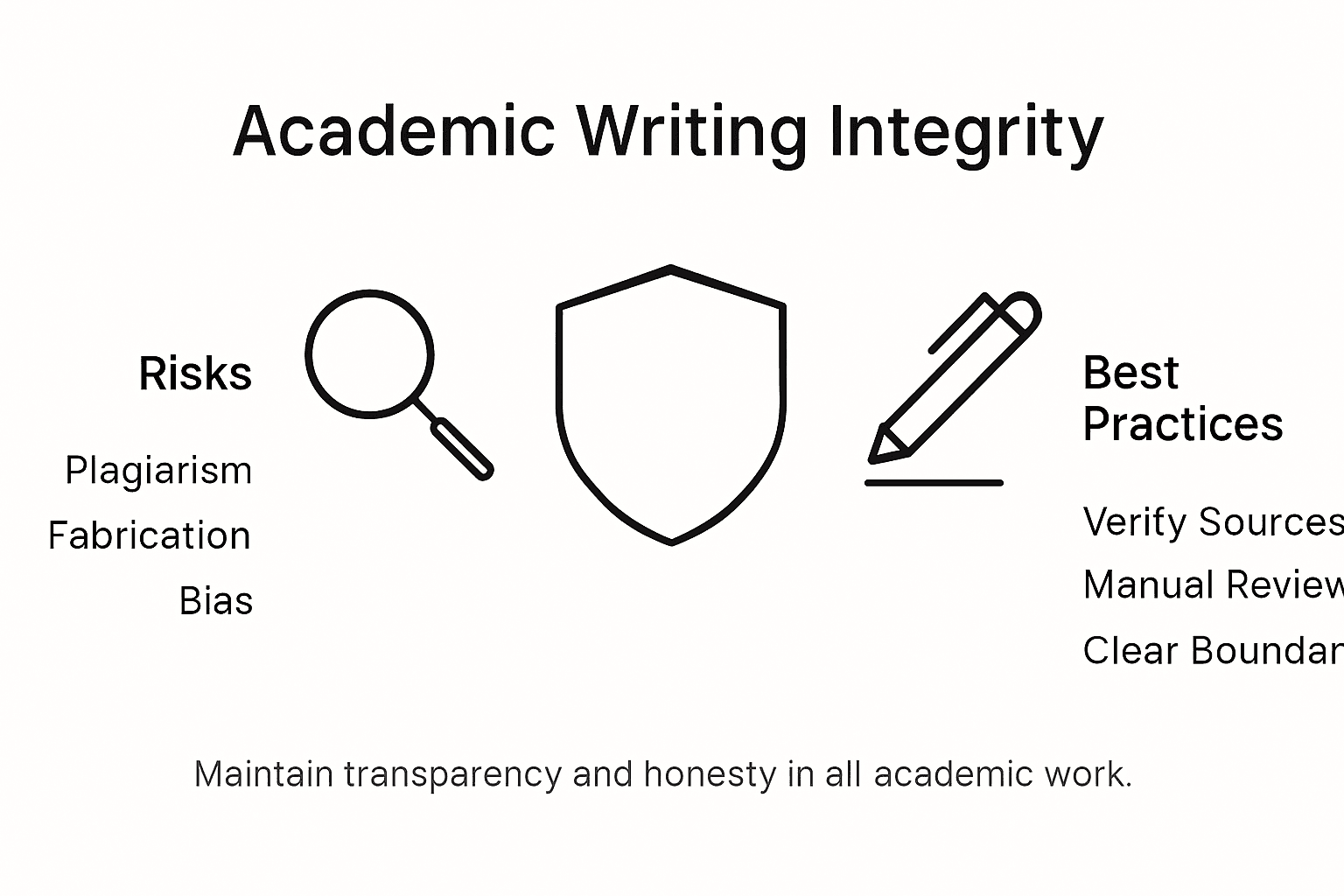
Ethical writing represents an implicit contract between authors and readers, founded on principles of honesty, transparency, and intellectual respect. This commitment requires meticulous attention to citation practices, clear acknowledgment of intellectual sources, and a commitment to representing information accurately and comprehensively. Academic institutions and research organizations increasingly develop sophisticated mechanisms to detect and address potential ethical breaches, balancing technological surveillance with educational interventions that help students understand the deeper principles underlying academic integrity.
Pro tip: Develop a personal ethical framework by consistently documenting research sources, maintaining transparent writing practices, and viewing citations as opportunities to credit intellectual contributions rather than administrative requirements.
Academic writing technologies introduce complex challenges that require sophisticated understanding and proactive management. AI tools in academic writing enhance productivity but simultaneously pose significant risks, including overreliance and uncritical acceptance of generated content, creating potential ethical and intellectual vulnerabilities for researchers and students.
The primary risks associated with AI-assisted academic writing emerge from multiple interconnected dimensions. These include potential issues such as fabricated citations, algorithmic biases, inappropriate text generation, and the erosion of critical thinking skills. Researchers might unknowingly incorporate inaccurate information, misinterpret AI-generated suggestions, or fail to critically evaluate machine-produced content. The danger lies not just in direct plagiarism but in the subtle undermining of scholarly rigor and independent analytical capabilities.
Metacognitive skills and critical evaluation remain essential strategies for mitigating mistakes associated with AI writing tools. Effective risk management requires developing a nuanced approach that views AI as a collaborative tool rather than an autonomous writing solution. This involves maintaining constant human oversight, implementing rigorous verification processes, cross-referencing AI-generated content with authoritative sources, and preserving the fundamental principles of academic research integrity.
Pro tip: Develop a systematic workflow that includes multiple verification steps, always treating AI-generated content as a draft to be critically reviewed rather than a final scholarly product.
Below is a summary of common risks when using AI in academic writing and practical mitigation strategies:
| Risk Area | Potential Problem | How to Mitigate |
|---|---|---|
| Fabricated Citations | Inaccurate references generated | Manually verify citations |
| Algorithmic Bias | Bias in AI-generated content | Cross-check with sources |
| Loss of Critical Thinking | Overreliance on automation | Actively review suggestions |
| Inaccurate Content | Factual errors in output | Fact-check all information |
The article "Technology in Academic Writing: Humanization and Integrity" highlights the growing challenges researchers face when using AI-generated text in academic work. Key concerns like maintaining academic integrity, avoiding plagiarism, and ensuring the content remains genuinely human and ethically compliant are critical for every writer. If you are struggling with the pitfalls of fabricated citations, loss of critical thinking, or the need to make AI-assisted writing appear authentic and natural, you are not alone. The complex balance between leveraging technology and preserving originality calls for powerful, user-friendly solutions.
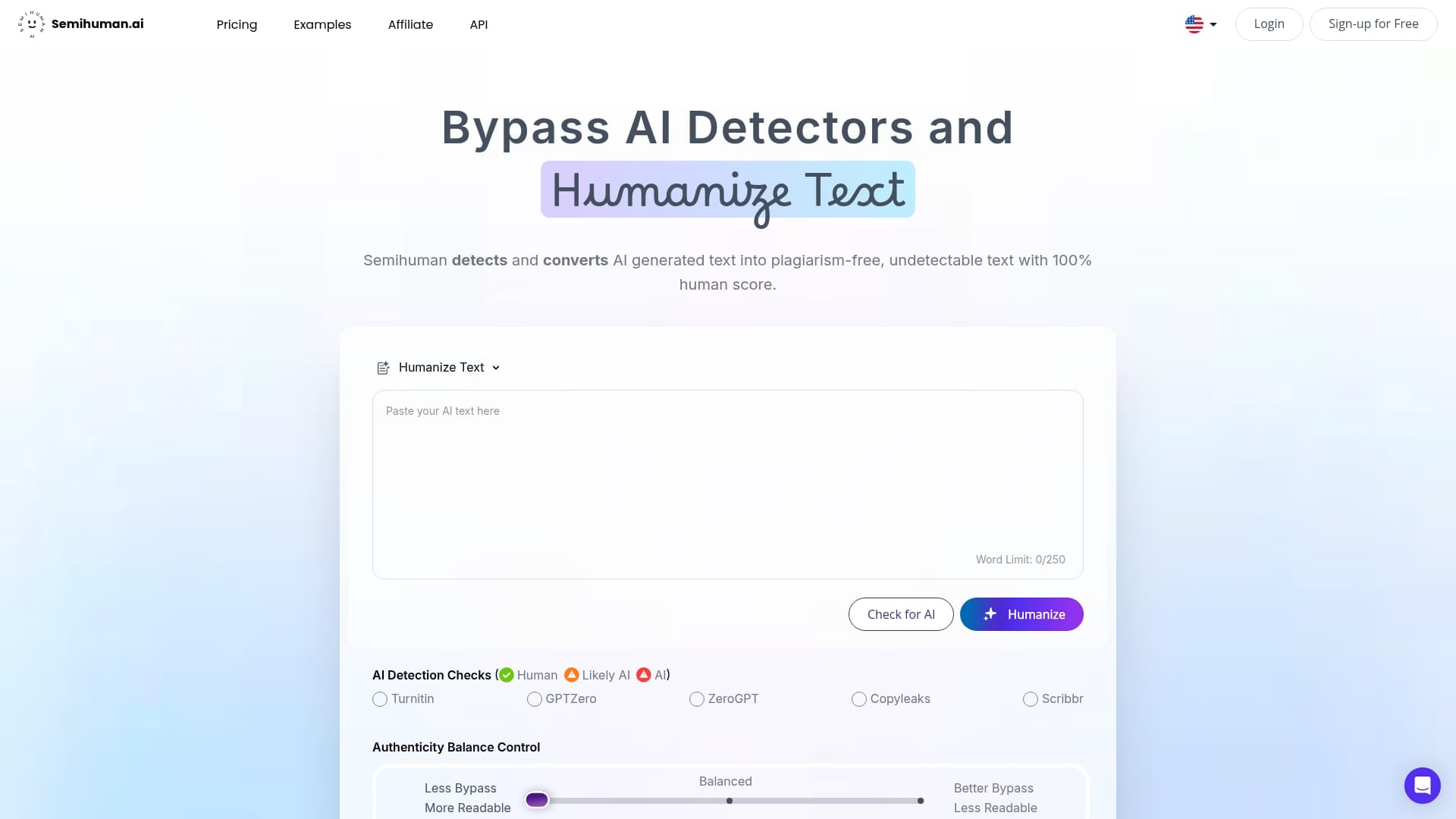
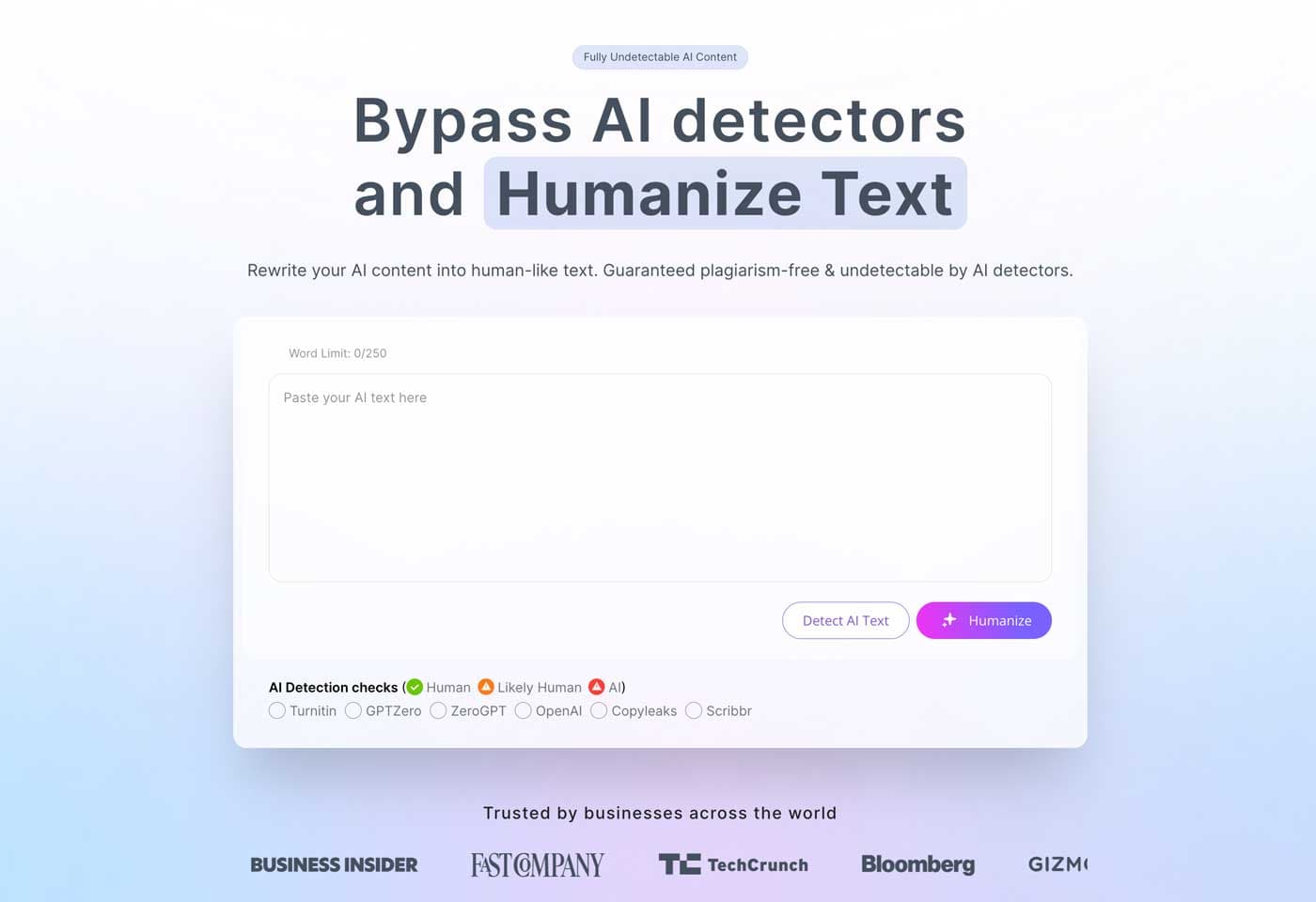
Discover how Semihuman.ai can help you overcome these obstacles by transforming AI-generated content into naturally human-like writing that passes AI detection tools like Turnitin and GPTZero. Our platform specializes in text restructuring, keyword integration, and humanization techniques that safeguard your academic work from detection and plagiarism concerns. Whether you are a student, researcher, or content creator seeking to maintain scholarly authenticity while benefiting from AI efficiency, visit Semihuman.ai now and experience the future of ethical, humanized AI-assisted academic writing. Start improving your writing integrity today with Semihuman.ai.
Technology enhances academic writing by providing tools that improve efficiency, accuracy, and accessibility. AI-driven tools such as grammar checkers, content generators, and reference managers assist researchers throughout the writing process.
To maintain academic integrity, always review and verify AI-generated content, use these tools as supportive mechanisms, and adhere to ethical standards in research and writing practices.
Relying on AI can lead to issues such as fabricated citations, algorithmic biases, and a loss of critical thinking skills. It’s essential to treat AI-generated content as drafts that require thorough human oversight and verification.
Modern plagiarism detection technologies utilize advanced machine learning and natural language processing techniques to identify both exact and paraphrased content duplication, ensuring comprehensive content verification for academic integrity.

Start
Humanizing
for Free!
Humanize