
Loading...

Most American marketers face mounting pressure to keep their AI content invisible while ranking high on search engines. Research shows that over 60 percent of American brands now use AI tools in their content workflows, raising tough questions about detection, compliance, and audience trust. This guide cuts through the confusion around undetectable AI content, separating fact from myth and revealing practical strategies to create truly authentic campaigns that protect both ranking and reputation.
| Point | Details |
|---|---|
| Understanding AI Content Detection | Undetectable AI content exists on a spectrum; ongoing advancements in detection technologies require marketers to stay informed. |
| Evasion Techniques for Content | Diverse methods like paraphrasing and translation-based rewriting can help evade detection, but they require careful execution. |
| SEO and AI Content | Search engines prioritize quality and authenticity, making it crucial for content to provide genuine value beyond algorithmic manipulation. |
| Legal and Ethical Considerations | Marketers must navigate complex legal frameworks and ensure ethical AI use by implementing strict verification and transparency measures. |
Undetectable AI content represents artificially generated text designed to circumvent automated detection systems, effectively mimicking human writing patterns and style. While generative AI technologies have grown increasingly sophisticated, the notion of creating truly undetectable content remains complex and multifaceted. Understanding AI content detection mechanisms requires examining the nuanced interplay between machine learning algorithms and content generation techniques.
Contrary to popular belief, undetectable AI content is not a binary state but a spectrum of authenticity. Current AI models produce text that can successfully pass basic detection screenings, yet sophisticated academic and professional tools increasingly develop advanced recognition algorithms. The myth of absolute AI content invisibility persists, driven by marketing claims and technological optimism. Marketers must recognize that detection technologies continuously evolve, creating an ongoing technological arms race between content generation and identification systems.
Key characteristics that influence AI content detectability include linguistic patterns, semantic consistency, contextual coherence, and subtle writing nuances. Machine learning models analyze multiple signals beyond simple text generation, examining statistical distributions, word choice frequencies, and structural similarities. Professional content creators must understand these technical details to develop strategies that enhance content authenticity and reduce detection risks.
Pro tip: Regularly test your AI-generated content through multiple detection platforms to understand potential algorithmic triggers and refine your writing approach.
AI-generated content encompasses a wide range of text formats, from social media posts to technical documentation and long-form articles. Systematic analysis of content generation techniques reveals multiple sophisticated approaches marketers and content creators use to produce seemingly human-written text. These methods range from simple paraphrasing to complex linguistic manipulation designed to bypass automated detection systems.
The primary evasion techniques marketers employ include strategic text transformation strategies. Key methods involve introducing subtle linguistic variations such as paraphrasing content, strategically inserting minor typographical errors, and using advanced techniques like homoglyph substitution. Comparative research on AI detection evasion demonstrates that no single detection technology provides comprehensive protection against all content generation approaches, creating an ongoing technological arms race between content generators and identification systems.
Technical approaches to content generation evasion often involve complex linguistic strategies. Sophisticated techniques include translation-based rewriting, where content is translated through multiple languages and then back to English, introducing semantic variations that confuse detection algorithms. Advanced practitioners also employ machine learning models to analyze and modify text patterns, making AI-generated content increasingly difficult to distinguish from human-written material. Professional content creators must understand these nuanced techniques to develop more authentic and undetectable writing strategies.
Pro tip: Develop a diverse toolkit of content modification techniques and regularly test your generated text across multiple detection platforms to identify and mitigate potential algorithmic triggers.
Here's a summary of common AI content evasion techniques and their detection challenges:
| Evasion Technique | How It Works | Detection Difficulty | Example Use Case |
|---|---|---|---|
| Paraphrasing | Rewording sentences for variation | Moderate | SEO blog articles |
| Typographical Errors | Intentionally adding small mistakes | Low | Social media posts |
| Homoglyph Substitution | Replacing letters with similar glyphs | High | Technical documentation |
| Translation-based Rewriting | Translating through multiple languages | High | Product descriptions for e-commerce |
| Machine Learning Modification | Adjusting text via model outputs | Very High | Academic writing |
Search engine algorithms have evolved significantly in their approach to AI-generated content, challenging traditional assumptions about content ranking. Comprehensive analysis of AI content interactions with search algorithms reveals that modern search engines evaluate content based on value and authenticity rather than its generative origin. Google's current stance emphasizes the importance of content quality over its production method, focusing on the E-E-A-T principles (Experience, Expertise, Authoritativeness, Trust).
Undetectable AI content presents complex challenges for SEO strategists. While advanced AI can produce technically proficient content, search engines have sophisticated mechanisms to detect low-quality, mass-produced material. Websites relying heavily on unfiltered AI-generated content risk significant ranking penalties. The key risk emerges not from AI usage itself, but from publishing content that lacks genuine insight, original perspective, or meaningful value to readers. Marketers must recognize that sophisticated search algorithms can distinguish between genuinely helpful content and algorithmically generated text designed solely to manipulate search rankings.

Strategic content creation requires a nuanced approach to AI integration. Successful marketers view AI as a collaborative tool rather than a replacement for human creativity. This means using AI to generate initial drafts, research outlines, and content frameworks, but critically editing and enriching the material with unique insights, personal experience, and expert knowledge. The goal is to leverage AI's efficiency while maintaining the authenticity and depth that search engines and human readers value most.
Pro tip: Always perform a comprehensive human review of AI-generated content, focusing on adding unique perspectives, verifying factual accuracy, and ensuring the material provides genuine value beyond generic information.
The landscape of AI-generated content presents unprecedented legal and ethical challenges for marketing professionals. Comprehensive ethical framework for generative AI in brand content reveals a complex ecosystem of regulatory considerations that extend far beyond traditional content creation guidelines. Marketers must navigate intricate legal terrain involving intellectual property rights, transparency requirements, and accountability standards that fundamentally reshape content production strategies.

Intellectual property concerns represent a significant legal minefield for marketers utilizing undetectable AI content. The primary risks include potential copyright infringement, unauthorized data utilization, and challenges in establishing original authorship. Sophisticated AI models trained on vast datasets generate content that blurs traditional boundaries of creative ownership, creating complex legal scenarios where the lines between inspiration, derivative work, and outright plagiarism become increasingly ambiguous. Organizations must develop rigorous verification processes to ensure their AI-generated content does not inadvertently reproduce copyrighted material or violate existing intellectual property protections.
Ethical considerations extend beyond legal compliance, demanding a holistic approach to responsible AI content creation. Marketing teams must implement transparent disclosure mechanisms, maintain high standards of accuracy, and prioritize content that serves genuine user needs rather than manipulating algorithmic systems. This requires developing internal governance frameworks that include continuous monitoring, periodic ethical audits, and robust mechanisms for identifying and mitigating potential AI-generated content risks. Successful organizations will treat AI as a collaborative tool that enhances human creativity while maintaining strict adherence to ethical standards.
Pro tip: Develop a comprehensive AI content ethics policy that includes clear guidelines for verification, attribution, and potential disclosure of AI assistance in content creation.
Consumer perception of AI-generated content represents a critical challenge for modern marketers. Comprehensive research on brand trust and AI content generation reveals that audiences develop profound skepticism when they suspect content is artificially produced. The moment consumers perceive a brand's communication as inauthentic or algorithmically generated, their trust can erode dramatically, potentially causing long-term damage to brand reputation and customer loyalty.
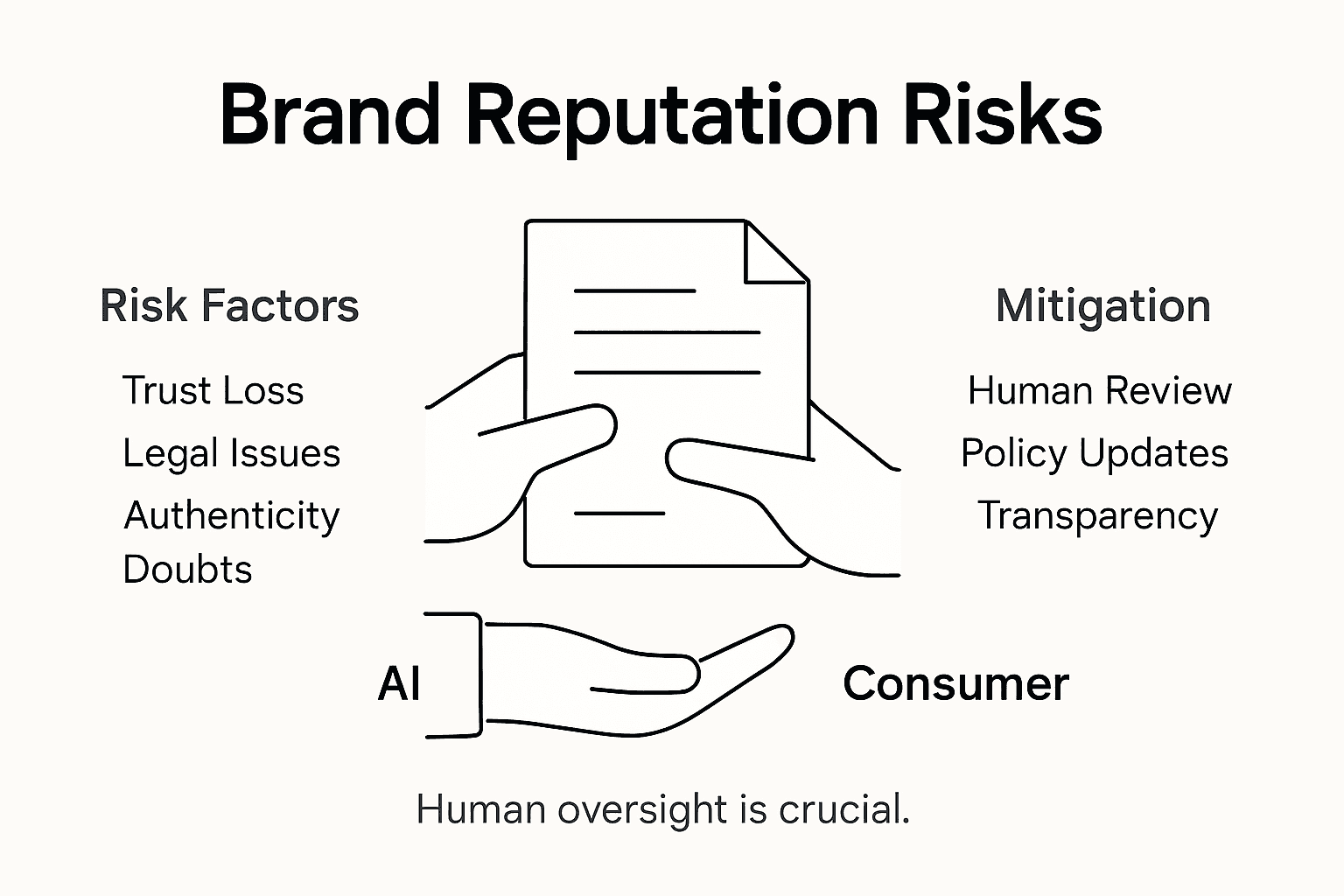
The risks of undetectable AI content extend beyond mere detection concerns. High-profile cases demonstrating brand trust crises highlight the significant reputational damage that can occur when audiences feel manipulated or deceived. Consumers are increasingly sophisticated in identifying artificial content, and their reactions can be swift and unforgiving. Brands that rely too heavily on unmodified AI-generated content without human oversight risk appearing impersonal, generic, and disconnected from genuine customer experiences. This perception can lead to decreased engagement, reduced customer loyalty, and potential public backlash.
Successful brands will approach AI content generation as a collaborative process that enhances rather than replaces human creativity. This means implementing robust review processes, maintaining a distinct brand voice, and ensuring that AI-generated content maintains the authenticity and emotional intelligence that customers expect. Transparency becomes crucial - audiences appreciate brands that are open about their technological tools while demonstrating a commitment to providing genuine, valuable content. The goal is not to hide AI usage but to leverage it strategically as a complement to human expertise and creativity.
Pro tip: Create a clear internal protocol for AI content review that ensures every piece of generated content is meticulously checked for authenticity, brand alignment, and genuine value before publication.
This table compares brand reputation risks with effective mitigation strategies when using AI-generated content:
| Risk Factor | Impact on Brand | Suggested Mitigation |
|---|---|---|
| Detection of AI content | Loss of audience trust | Transparent disclosure |
| Lack of originality | Decreased engagement | Human editorial oversight |
| Impersonal tone | Lower customer loyalty | Customized brand voice review |
| Perceived manipulation | Potential public backlash | Authentic storytelling efforts |
Organizational AI policy requires a comprehensive and proactive approach to managing potential risks. International guidelines for responsible AI content generation emphasize the critical importance of developing robust frameworks that prioritize transparency, accountability, and ethical considerations. Successful implementation demands more than simple rule creation - it requires a holistic strategy that integrates technological understanding with human oversight and clear institutional guidelines.
Emerging research on compliance frameworks suggests organizations should adopt a multi-layered approach to AI content management. This involves creating detailed documentation processes, maintaining comprehensive activity logs, and establishing clear protocols for AI tool usage. Key elements include implementing mandatory human review stages, developing transparent disclosure mechanisms, and creating systematic approaches to verifying content authenticity. The goal is not to restrict AI usage but to ensure that technological tools enhance rather than compromise organizational integrity.
Practical compliance strategies require ongoing education and adaptive policy development. Marketing teams must invest in continuous training programs that help professionals understand the evolving landscape of AI content generation. This includes developing skills in AI detection, understanding potential ethical pitfalls, and creating content review processes that maintain high standards of originality and value. Organizations should regularly audit their AI content generation practices, updating policies to reflect technological advancements and emerging regulatory requirements.
Pro tip: Develop a comprehensive AI content checklist that includes mandatory steps for human verification, originality assessment, and ethical review before any AI-generated content is published.
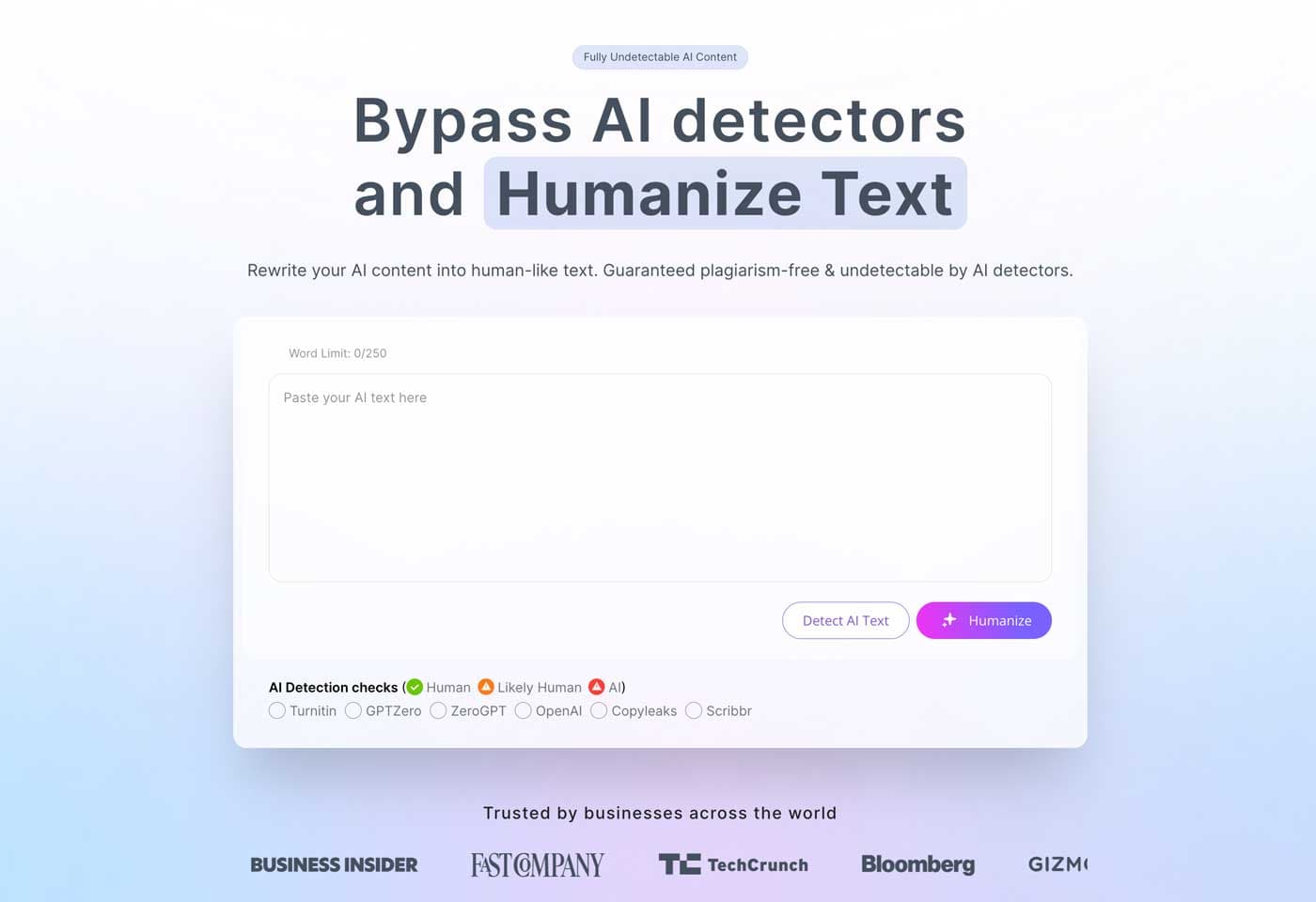
Marketers face mounting challenges from undetectable AI content that risks SEO penalties, damages brand trust, and raises ethical concerns. The article highlights key pain points such as avoiding detection by advanced AI algorithms, maintaining authentic brand voice, and complying with evolving legal standards. If you want to sidestep these risks while producing engaging, human-like content, Semihuman.ai offers the solution. Our AI-powered platform specializes in transforming AI-generated text into naturally flowing, authentic writing that improves SEO rankings and bypasses detection tools like Turnitin and GPTZero.
Key benefits include:
Discover how Semihuman.ai can safeguard your content with features built specifically for marketers navigating this complex space.

Elevate your content strategy now by harnessing the power of Semihuman.ai. Start humanizing your AI-generated writings today and secure your brand reputation while maximizing SEO impact. Visit Semihuman.ai to explore how our platform can protect you from the risks highlighted in this article. Take the next step toward content authenticity and compliance before digital algorithms and audiences start to penalize generic AI text.
Undetectable AI content refers to text generated by artificial intelligence that is designed to mimic human writing patterns so well that it can evade detection by automated systems.
Undetectable AI content can challenge SEO strategies as search engines prioritize content quality and authenticity. Relying solely on AI-generated content can lead to penalties if the material lacks genuine value or insight.
Using undetectable AI content can lead to legal challenges such as copyright infringement and issues regarding original authorship, as AI-generated material may unintentionally reproduce copyrighted material.
Marketers can enhance AI-generated content authenticity by implementing rigorous human review processes, ensuring unique insights are incorporated, and maintaining a consistent brand voice throughout the material.


Start
Humanizing
for Free!
Humanize