
Loading...

Most content teams struggle to unlock the full value of what they've already created. With knowledge workers able to boost productivity by up to 30 percent through smarter content reuse, the benefits of repurposing your existing assets are hard to ignore. Reviewing and transforming your current library can reveal hidden gems, save valuable time, and reach new audiences. This guide shows how to turn yesterday’s content into today’s biggest wins.
| Key Point | Explanation |
|---|---|
| 1. Regularly audit content assets | Conduct a comprehensive content audit at least twice a year to identify repurposing opportunities and stay aligned with audience interests. |
| 2. Identify high-performing content | Focus on content with strong historical performance and engagement metrics, as these pieces are prime candidates for repurposing. |
| 3. Adapt content for different formats | Transform existing content into various formats like videos or infographics to maximize engagement and reach across platforms. |
| 4. Humanize AI-generated content | Rewrite AI-generated text with a personal voice, using anecdotes and conversational language to enhance authenticity. |
| 5. Optimize for SEO | Integrate targeted keywords and improve SEO elements to enhance search visibility while maintaining a natural writing style. |
In this step, you will systematically review and assess your current content library to identify potential opportunities for repurposing and transforming existing materials. According to research from Microsoft Research, knowledge workers can significantly enhance productivity by carefully evaluating their content assets.
Start by creating a comprehensive content inventory spreadsheet that tracks critical details about each piece of content. As outlined by LinkedIn Research, your spreadsheet should include columns for title, publication date, content type, primary topic, performance metrics, and potential repurposing opportunities. Focus on identifying high performing and evergreen content that has demonstrated consistent engagement or provides foundational information in your subject area.
When evaluating your content, look for pieces that meet these key criteria: strong historical performance, comprehensive coverage of a topic, and potential for adaptation across different formats. Pay special attention to articles that have generated significant traffic, social shares, or reader comments. These indicators suggest the content resonates with your audience and could be successfully transformed into other mediums like videos, infographics, podcasts, or social media posts.
Pro Tip: Conduct a thorough content audit at least twice a year to ensure you are maximizing the value of your existing assets and staying current with audience interests.
Once you have completed your initial content evaluation, you will be ready to move on to the next step of identifying specific repurposing strategies for your top performing content pieces.

In this step, you will learn how to strategically transform your existing content into new formats that maximize audience engagement and extend your content's reach. According to Marketing Profs, successful content repurposing involves identifying timeless themes and breaking down long-form content into more digestible pieces.
Begin by analyzing your content inventory through the lens of potential transformation opportunities. OKMG recommends assessing each piece based on its adaptability to different platforms and audience preferences. Look for content with evergreen topics that can be repackaged into various formats such as blog posts, social media graphics, short video clips, podcast episodes, or interactive infographics. Consider the unique strengths of each potential new format how it can highlight different aspects of your original content.
Focus on pieces that offer comprehensive information or tell a compelling story. Identify content with rich explanations, research data, case studies, or step-by-step guides that can be easily segmented and reimagined. Pay attention to your most popular content pieces they are prime candidates for repurposing because you already know they resonate with your audience.
Pro Tip: When repurposing, always adapt the content to suit the specific platform and audience expectations. What works on LinkedIn might need a different approach on Instagram.
With your repurposing opportunities now identified, you are ready to move forward and start transforming your existing content into fresh new formats that will captivate and expand your audience.
In this step, you will learn how to transform AI-generated content into a more natural and authentic piece of writing that sounds genuinely human. According to Microsoft Research, generative AI tools can support knowledge workers in repurposing content, but the key is to humanize and contextualize the information to maintain its effectiveness.
Start by breaking down your existing content into smaller sections and rewriting each segment using your unique voice and perspective. E Languages Research emphasizes the importance of adapting content to enhance its relevance and accessibility. Focus on introducing personal anecdotes, varying sentence structures, and incorporating conversational language that reflects how you naturally speak. Pay attention to nuanced details like using contractions, adding subtle humor, or including personal insights that an AI might miss.
Carefully review and modify the tone, rhythm, and emotional resonance of your text. Look for opportunities to add authentic human touches such as rhetorical questions, personal experiences, or specific examples that demonstrate real world understanding. Replace overly technical or repetitive language with more natural phrasing that sounds like a conversation between knowledgeable colleagues.
Pro Tip: Read your restructured content out loud. If it sounds robotic or forced, continue refining until it feels like something you would genuinely say.
With your content now restructured and humanized, you are ready to move forward and create writing that feels authentic and engaging.
In this step, you will learn how to strategically enhance your repurposed content by integrating targeted keywords and optimizing SEO elements to improve search engine visibility. Marketing Profs highlights the importance of thoughtfully incorporating SEO techniques when transforming existing content to maximize its reach and impact.
Begin by conducting a comprehensive keyword research analysis for your repurposed content. Look for long tail keywords and semantic variations that align with your original piece but offer fresh perspectives. IG Media recommends refreshing historical content by updating keyword strategies and improving on page optimization. Focus on integrating keywords naturally within your text without disrupting the conversational flow or human authenticity you have carefully crafted. Pay special attention to placement in critical areas like headings, introductory paragraphs, meta descriptions, and image alt texts.
Consider the search intent behind your keywords and ensure your content genuinely addresses user questions and needs. Analyze top ranking content in your niche to understand current SEO trends and user expectations. Modify your content to provide more comprehensive and engaging answers than existing resources while maintaining a natural writing style that sounds uniquely human.
Pro Tip: Use keyword research tools to identify semantic variations and related phrases that can help you diversify your content optimization strategy.
With your keywords strategically integrated and SEO elements refined, you are now prepared to create content that not only sounds human but also ranks effectively in search engine results.
In this step, you will learn how to meticulously validate the authenticity of your repurposed content and develop strategies to minimize detection by AI screening tools. Arxiv Research emphasizes the critical importance of assessing the compatibility and authenticity of repurposed data to ensure its validity in new contexts.
Begin by running your content through multiple AI detection platforms to identify potential flags or suspicious patterns. Look for areas where the text might sound mechanical or exhibit predictable AI generated characteristics. Arxiv highlights the significance of implementing an adversarial approach to content verification. Focus on introducing subtle variations in sentence structure, incorporating personal anecdotes, and adding nuanced language that demonstrates genuine human thought processes. Pay close attention to maintaining a consistent voice while strategically disrupting potential algorithmic detection patterns.
Carefully review your text for telltale signs of AI generation such as overly formal language, repetitive sentence structures, or lack of contextual depth. Introduce unique personal insights, rhetorical questions, and contextual references that an AI would struggle to replicate authentically. Cross reference your content against multiple detection tools and be prepared to make additional refinements to ensure your writing appears genuinely human crafted.
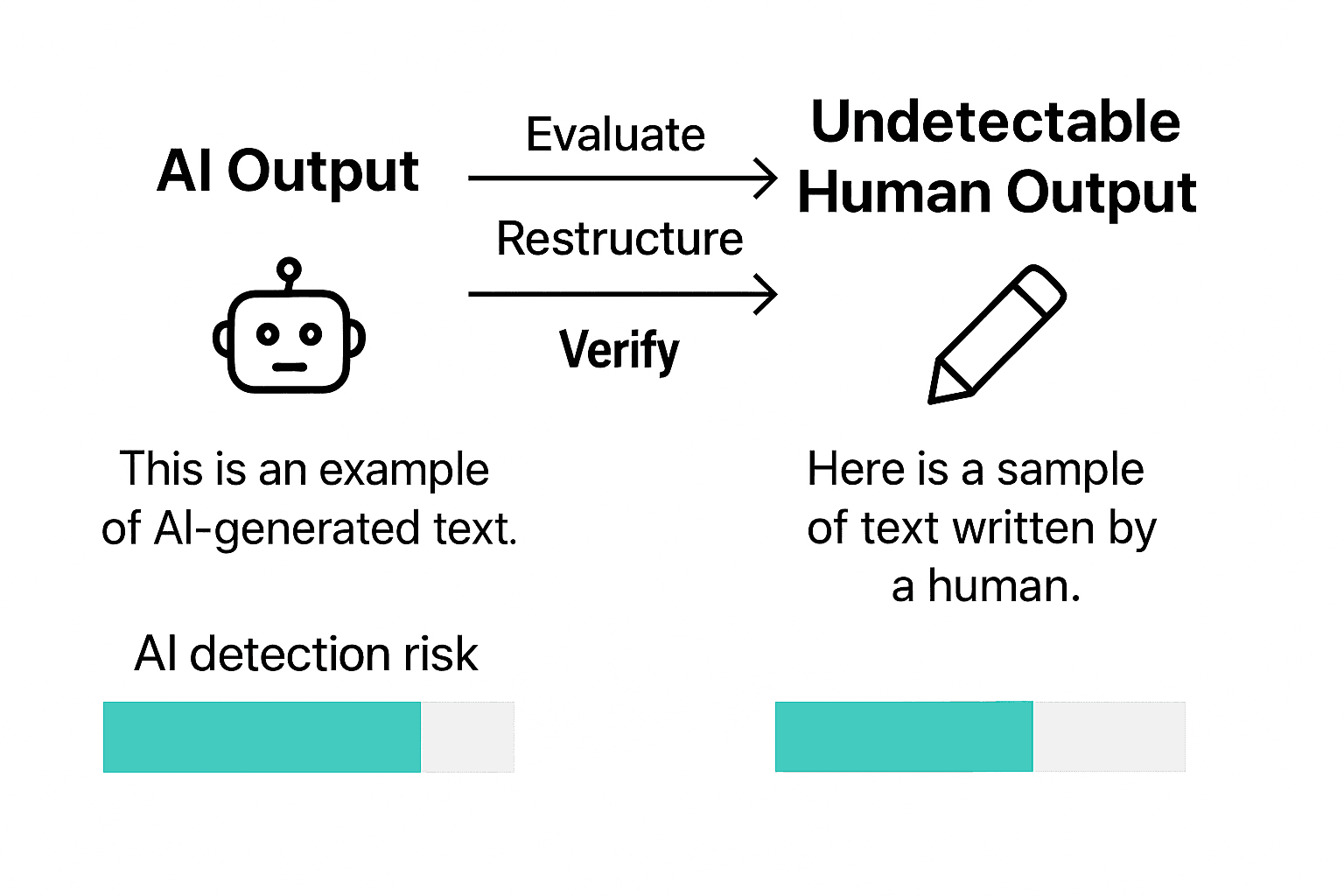
Pro Tip: Read your content out loud. If it sounds robotic or unnatural, continue adjusting until it feels like a genuine human conversation.
Mastering Content: Avoiding AI Detection Online provides additional insights for writers seeking to create undetectable content that maintains authenticity and originality.
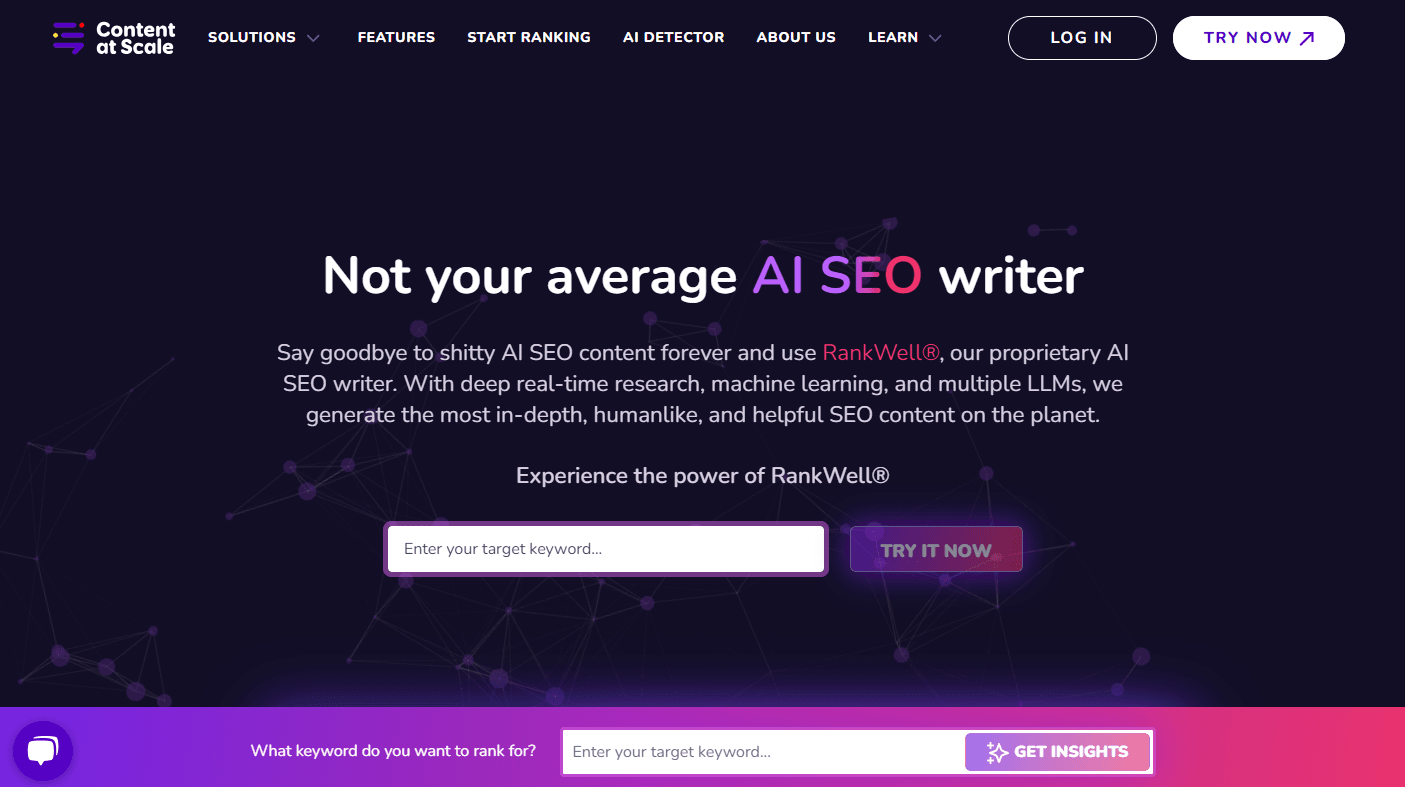
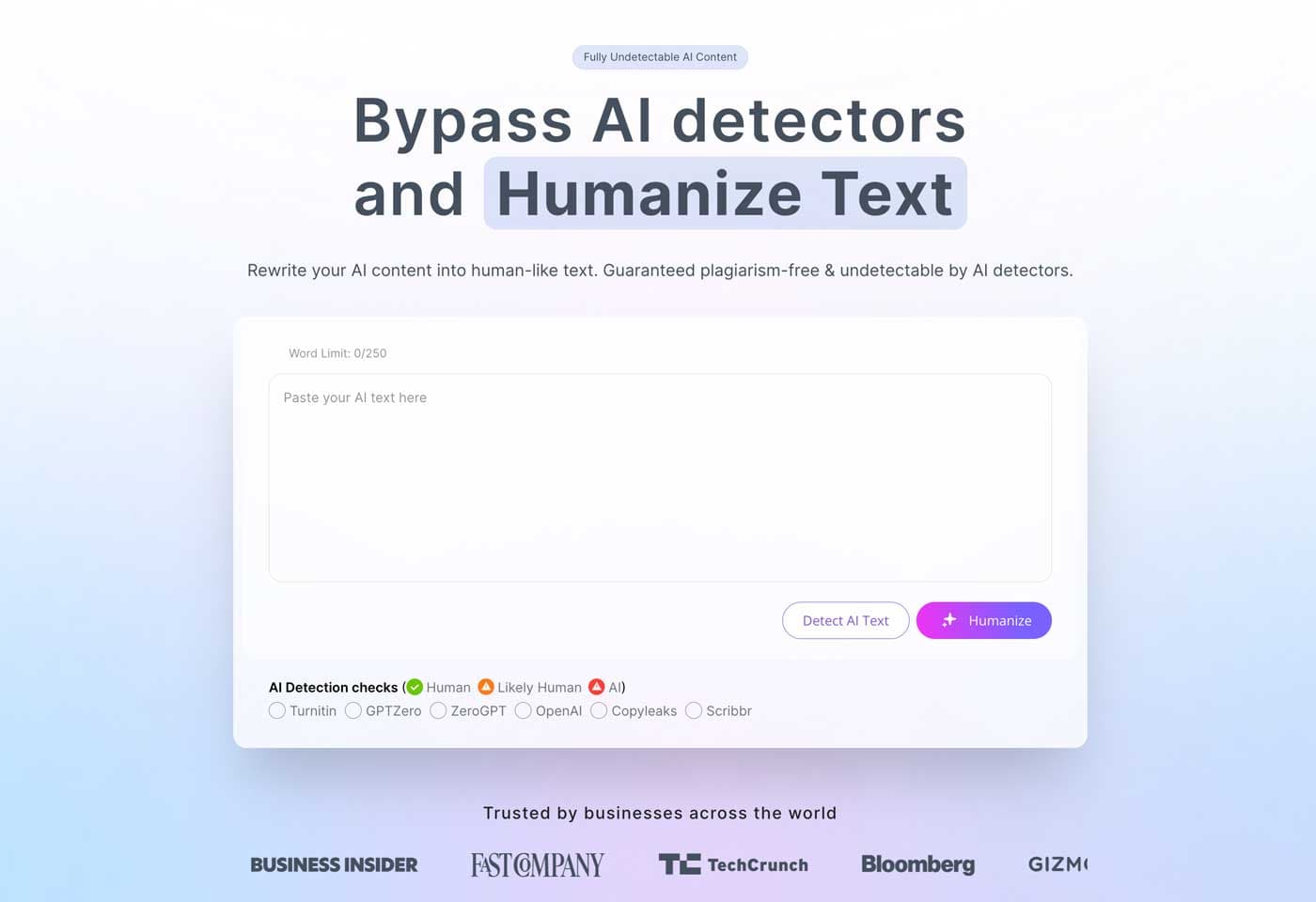
Repurposing existing content to sound naturally human and remain undetectable by AI tools is a challenge many creators face today. The article highlights critical steps like restructuring and humanizing AI-generated text, integrating targeted keywords, and evading AI detection. If you struggle with content that sounds robotic or worry about automated detection systems such as Turnitin or GPTZero flagging your work, these hurdles can slow down your creativity and impact your SEO potential.
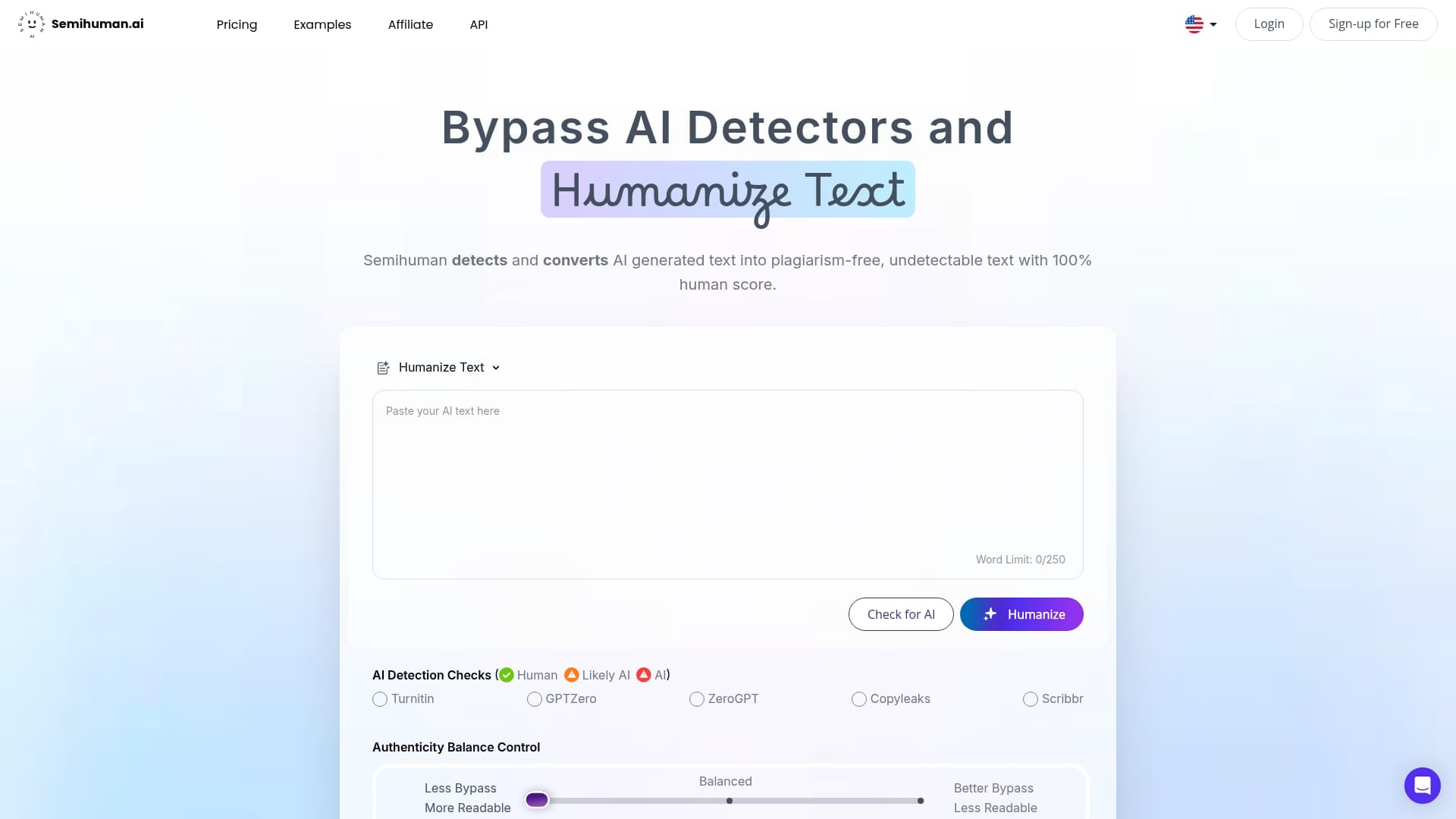
Seize the opportunity to transform your AI-generated drafts into authentic, engaging content with Semihuman.ai. Our platform specializes in making your writing genuinely human-like while enhancing SEO and reducing plagiarism risks. Whether you are repurposing blog posts, academic writing, or marketing emails, our AI detection evasion and text restructuring tools help you create seamless, natural content that connects deeply with your audience. Start now at Semihuman.ai Landing Page and experience effortless content humanization designed for today’s digital landscape.
To evaluate your existing content assets, create a content inventory spreadsheet that includes details such as title, publication date, performance metrics, and potential for repurposing. Systematically review each piece to identify high-performing content that can be adapted into different formats within a month.
Effective ways to repurpose content include transforming blog posts into infographics, video snippets, or social media posts. Identify long-form content that can be broken down into shorter, engaging pieces and start by focusing on your most popular articles for immediate impact.
To humanize AI-generated content, break it into smaller sections and rewrite using your unique voice, incorporating personal anecdotes and conversational language. Revise the text repeatedly and aim for a writing style that reflects how you naturally communicate, ensuring it feels authentic within a week.
Start by conducting keyword research relevant to your repurposed content and naturally integrate these targeted keywords throughout the text. Focus on key areas like headings and introductory paragraphs, enhancing your content’s visibility within search engine results by optimizing it within a few days.
To verify authenticity, run your content through AI detection tools and assess for mechanical characteristics. Make necessary adjustments to include personal insights and varied sentence structures to ensure it sounds natural and engaging before publishing it within a week.
Avoid common mistakes such as failing to adapt content for different platforms or neglecting to humanize AI-generated text. Always tailor your message to fit the audience and medium, ensuring that your content resonates and feels authentic as you revise it over time.


Start
Humanizing
for Free!
Humanize