
Loading...

Curating trustworthy and impactful content feels overwhelming when the internet is crowded with sources that all claim authority. Sifting through endless articles and research for your audience takes more than guessing or hoping a link is reliable. You want each curated piece to be credible, relevant, and engaging, or your reputation takes a hit before you even notice.
You do not have to settle for uncertainty. There are proven steps for finding reliable sources, blending human insight with technology, and turning raw information into meaningful experiences for your readers. When you approach content curation with care, you build trust, drive SEO, and deliver real value every time.
In the practical strategies ahead, you will discover how to pick out authoritative sources, incorporate authentic storytelling, check for plagiarism, and optimize your content for search without sacrificing your unique voice. Each insight will move you closer to the kind of content curation that sets you apart.
| Key Message | Explanation |
|---|---|
| 1. Identify Trusted Content Sources | Evaluate the credibility of sources based on author expertise and publication reputation to maintain your authority. |
| 2. Combine AI and Human Insights | Use AI for data processing while relying on human judgment to contextualize and enrich content effectively. |
| 3. Employ Storytelling Techniques | Transform data into relatable narratives that engage readers and enhance the memorability of curated content. |
| 4. Edit for Cohesion and Authenticity | Ensure consistency and maintain your unique voice across curated pieces to build trust and credibility with your audience. |
| 5. Practice Ethical Attribution | Give clear credit to original sources and check for plagiarism to uphold integrity and respect for creators' rights. |
Before you curate content for your audience, you need to know which sources actually deserve your attention. Not all information is created equal, and sharing unreliable content tanks your credibility faster than you can apologize.
The foundation of authentic content curation starts with identifying sources that matter. Your readers trust you to filter the noise and deliver only what's worth their time. This means going beyond surface-level appearances and actually evaluating whether a source earned its reputation. When you share content from trustworthy sources, you signal to your audience that you understand quality when you see it. This builds authority and keeps your SEO performance strong because search engines recognize that you're linking to legitimate, authoritative content.
Start by examining author credentials and publication reputation. Look for writers who have demonstrated expertise in their field. Check whether they've published previously, if they hold relevant certifications, or if they work for recognized institutions. Academic journals, industry publications, and established news outlets have editorial processes that filter out misinformation before it reaches readers. Government reports and peer-reviewed research represent some of the most reliable sources available because they've undergone rigorous scrutiny.
You should also verify that content is actually current and relevant to your audience's needs. A five-year-old article might contain outdated information, especially in fast-moving fields like technology or digital marketing. Look at publication dates and check whether the author has updated their findings recently. Cross-reference claims with multiple sources to spot inconsistencies. If three reputable sources agree on something and one doesn't, you've found a red flag worth investigating further.
Consider evaluating sources through a practical checklist. Does the author cite their research and provide evidence for claims? Can you trace the information back to original sources? Is the writing clear and free from sensationalism or obvious bias? Does the publication have a clear editorial standard? When conducting your research, verifying author credentials and checking publication reputation are essential steps in building a credible foundation for your curation strategy. Additionally, understanding the relationship between content curation and creation helps you know when to curate versus when to create original material.
For SEO specialists and content marketers, this becomes especially important when you're humanizing AI-generated content. You want to incorporate curated content that strengthens your authority and demonstrates you're connected to legitimate industry voices. When you link to and share content from recognized experts, you're essentially vouching for their credibility while also showing search engines that your content connects to authoritative resources. This approach feels more authentic to readers because it's grounded in real expertise rather than generated by algorithms alone.
Pro tip: Create a simple spreadsheet documenting your trusted sources, including their publication dates, author credentials, and relevance to your niche so you can quickly verify information quality without repeating research every time you curate content.
AI can process massive amounts of data and identify patterns at lightning speed. But it cannot understand why your audience actually cares. This is where human insight becomes your competitive advantage in content curation.
The real power emerges when you stop viewing AI and human expertise as competing forces and start treating them as partners. AI excels at handling the heavy lifting. It flags potential sources, detects patterns across hundreds of articles, and catches plagiarism or bias issues that would take hours to identify manually. Human curators bring something AI cannot manufacture, contextual understanding and editorial judgment. You know your audience's pain points. You understand which insights matter most. You can explain why a particular study contradicts industry assumptions or how a new finding actually changes what people should do differently.
When you blend these two approaches, your curation process becomes faster and smarter. Let AI do the initial screening. Have it identify the top 50 relevant articles from thousands of possibilities. Then apply your human judgment. Read through them, assess which ones genuinely deserve attention, and add your own insights that connect the dots for your readers. This combination creates content that feels authentic because it is. You're not just republishing AI recommendations. You're applying your expertise to make those recommendations meaningful.
For content marketers working with AI-generated material, this balance becomes critical. AI can help identify content opportunities and optimize your strategy, but your human voice is what transforms discovered information into guidance your audience actually follows. You might use AI to analyze competitor content and spot gaps in coverage. Then you write original commentary that explains why those gaps matter and how your curated sources fill them. The AI handles pattern detection. You handle meaning-making.
Consider a practical example. An AI tool flags that 23 articles mention a specific algorithm breakthrough. Your human judgment recognizes that only 4 of those articles explain it in terms non-technical marketers can understand. You curate those 4 sources for your audience while adding your own explanation of why this breakthrough matters to their business. That combination of AI efficiency and human contextual understanding creates content that outperforms either approach alone.
You should also recognize that human judgment catches nuance that algorithms miss. A piece might technically contain reliable information, but it might frame findings in a way that contradicts your audience's values or existing knowledge. An AI flagged it. Your judgment decides whether to include it, reframe it, or skip it entirely. Similarly, you can spot storytelling opportunities that AI identifies statistically but cannot appreciate emotionally. That study showing a 34 percent improvement in productivity means something concrete to your readers. AI found it. You make it resonate.
Balancing AI support and human expertise is key to high-quality content curation. AI can process large datasets and flag potential sources, while human judgment is critical for assessing nuance, storytelling, and contextualization, ensuring curated content maintains authenticity and relevance.
The practical workflow looks like this. First, let AI scan your sources and organize findings by theme. Second, apply your judgment to evaluate quality and relevance. Third, add your original commentary that explains why these curated pieces matter. Fourth, present the curated content with your voice intact rather than as raw recommendations from a machine. Your readers know they are getting curation from someone who understands their world, not just an automated feed.
Pro tip: Create a weekly curation checklist that combines AI-identified sources with your own knowledge, noting which pieces required your human judgment to contextualize and which ones stood out as immediately relevant so you can refine your AI screening criteria over time.
Raw data feels cold. A statistic about customer satisfaction improvement means nothing until someone explains what it actually changed in a person's life. Storytelling transforms curated content from a collection of facts into a connected narrative that your audience remembers and cares about.
When you add storytelling to your curated content, you create something that AI-generated lists simply cannot match. You provide context that turns information into meaning. A study showing that 73 percent of remote workers struggle with isolation becomes more powerful when you share a curator's note about what that really means. Maybe it reminds readers of a conversation they had or a challenge they face. That emotional bridge between data and human experience is what storytelling builds.
This approach works because humans are wired for stories. Our brains remember narratives far better than they remember bullet points. When you wrap curated insights in a narrative structure, you make them sticky. Your readers don't just absorb information. They internalize it because it connects to something they recognize about themselves or their world. This is why storytelling transforms factual content into compelling narratives that foster trust and deeper engagement.
Consider how you might introduce a curated article about productivity strategies. Instead of simply sharing a link with a generic description, you could start with a brief scene. Picture a marketer overwhelmed by email, struggling to find time for strategic work. That person opens the curated article and discovers a system that changes their day. Now the content has become part of a larger story about transformation and possibility. Your audience recognizes themselves in that narrative, and they engage with the curated material more deeply.
The key is weaving the narrative without overwhelming the curated content itself. You are not rewriting the original piece. You are framing it. Your introduction might explain why this particular insight matters right now. Your commentary between sections might connect dots that the original author did not consider. Your closing thought might show how readers can apply this to their specific situation. These storytelling elements create continuity and human dimension around the curated material.
For SEO specialists and content marketers, this becomes a powerful authenticity signal. When you add narrative framing to curated content, you demonstrate editorial judgment and insider knowledge. Search engines recognize this as valuable content creation, not just republishing. Your audience sees a curator who understands their world well enough to connect disparate pieces of information into a coherent story.
You can also use storytelling to show progression and development of ideas. If you curate multiple articles on the same topic over time, your narrative can show how thinking has evolved. The story becomes one of discovery and refinement rather than isolated recommendations. Readers follow your curation journey and understand why you chose certain sources at certain moments.
Another approach involves using customer stories or case studies as narrative anchors for curated content. Share how someone actually applied the curated insight to solve a real problem. That story provides proof that the curated material works in the actual world, not just in theory. Your narrative bridges the gap between abstract information and concrete results.
Storytelling contextualizes data, making it relatable and memorable while enabling you to infuse personality and authenticity into curated content that fosters emotional resonance with audiences.
The writing itself matters when you add storytelling. Use sensory details. Show rather than tell. Instead of saying a strategy is effective, describe what success looks like through a reader's eyes. Keep your narrative voice consistent with your personal brand so readers know they are experiencing your judgment, not just an algorithm's recommendations.
The balance is important. Your storytelling frames should enhance the curated content, not overshadow it. Think of your narrative as a supporting structure that helps readers understand why this curated piece deserves their attention. You are the guide, not the star. The curated content is the destination. Your storytelling is the path that gets people there.
Pro tip: Create a three-sentence storytelling template for your curation that opens with a relatable challenge, connects to the curated source's solution, and closes with one specific benefit your audience gains from engaging with it.
You can curate the best content in the world, but if it feels disjointed and doesn't sound like you, readers will sense something is off. Editing your curated content for consistency and authentic voice transforms a collection of borrowed pieces into a cohesive experience that readers trust came from a real person with real judgment.
Consistency creates credibility. When your readers move from one curated piece to another, they should recognize your fingerprints on the work. This does not mean rewriting everything in identical language. It means maintaining consistent tone, perspective, and approach across your curation. If you introduce one article with humor and another with corporate formality, readers get confused about who they are actually listening to. That confusion erodes trust faster than you can imagine.
Authenticity is what makes readers believe you actually care about what you are sharing. When you edit curated content, you have the opportunity to infuse it with your personality and perspective. This is where the humanization happens. You are not just passing along information. You are endorsing it. Your voice matters because it signals that a real human with expertise has already vetted this material and found it worthy of your audience's attention.
Start with a simple audit of your curated pieces. Read through them as if you are seeing them for the first time. Do they sound like they come from the same curator? Do the introductions and transitions feel connected, or do they feel like random links? Are your explanations consistent in their level of technical detail? The goal is not perfect uniformity but coherent personality. Your readers should feel like they are being guided through curated material by someone who has a consistent perspective.
Editorial guidelines help maintain this consistency. Effective editing involves refining language for clarity while maintaining stylistic alignment with your brand. You might decide that you always explain industry jargon, that you prefer conversational language over corporate speak, or that you ask a provocative question before introducing each new source. These small editorial choices repeated consistently across your curation create a recognizable voice that readers come to trust.
When working with AI-generated commentary or introductions for your curated content, this editing step becomes critical. AI can generate technically accurate descriptions, but those descriptions might feel generic or corporate. Your editing adds the human elements that make your curation feel authentic. You might adjust the tone, add a personal observation, or reframe the introduction to connect it more directly to your audience's actual needs rather than the source's stated topic.
Consider the difference between these two introductions to the same article. The first sounds like a bot wrote it: "This article explores best practices for email marketing optimization through A/B testing methodology." The second has your voice: "Email marketing is still one of the few channels you fully control. This piece breaks down exactly how A/B testing transforms guesswork into data-driven decisions." Same source, completely different feeling.
Authentic voice also means being honest about your perspective. If a curated article offers a viewpoint you partially disagree with, you can say so while still sharing it. That honesty strengthens your credibility more than pretending to have no opinions. Your readers respect curators who think critically about their sources, not curators who mindlessly amplify everything.
Consistency extends to how you structure your curated content presentations. Do you always provide a three-sentence summary followed by your key takeaway? Do you consistently link to related pieces you have previously curated? Does your call-to-action language match across different posts? These structural elements create a rhythm that readers come to recognize and expect. When consistency becomes habitual, readers spend less mental energy figuring out what you are doing and more energy actually engaging with the content.
Consistency in style and voice establishes credibility while authenticity nurtures trust and highlights your unique perspective as a curator. This balance reinforces your commitment to quality curation.
During the editing process, read your curated content aloud. You will catch awkward phrasing and tone shifts that your eyes miss. Listen for places where your voice disappears and corporate language takes over. These are the moments that need editing. You are looking for places where the content stops feeling curated by a human and starts feeling like a random collection.
Another important element involves ensuring your introductions and transitions genuinely belong to your voice, not to the original sources. Your commentary should feel natural and necessary, not forced or promotional. If readers feel like you are trying to sound like someone you are not, the curation loses its authenticity. They want to hear from you, not from a carefully constructed persona.
Consistency also applies to how you handle differing viewpoints. If one curated article presents conservative recommendations and another takes a more progressive approach, your editing should either explain why both perspectives matter or clarify your own stance. This clarity prevents readers from wondering if you actually understand your subject or if you are just throwing content at them.
Pro tip: Create a personal editing checklist that includes your unique voice markers, such as specific phrases you always use, your preferred tone when introducing sources, and your standard structure for curation posts, then use it before publishing every curated collection.
One mistake in attribution or citation can demolish your reputation as a curator faster than almost anything else. Your readers trust you to share content ethically, which means giving credit where it belongs and ensuring you are not inadvertently republishing plagiarized material.
Ethical attribution is not just about following rules. It is about respecting the creators whose work you are amplifying. When you curate someone's content, you benefit from their research, writing, and expertise. The least you can do is acknowledge that contribution clearly. This simple act of honesty builds trust with your audience because it signals that you understand intellectual property rights and that you care about fairness. That credibility becomes especially important for SEO and content marketers trying to build long-term authority.
The mechanics of proper attribution are straightforward but essential. Every piece of curated content needs a clear link back to the original source. Every direct quote needs quotation marks and attribution. Every idea you adapted needs acknowledgment. You are not hiding these credits. You are displaying them prominently because transparency is part of your brand promise. Understanding different types of plagiarism helps you recognize and avoid them in your own curation practices, from accidental paraphrasing failures to more deliberate misattribution.
Plagiarism checks should be part of your standard curation workflow. Before you share curated content, run it through a plagiarism detection tool to ensure the original source did not copy from somewhere else. If you are adding your own commentary or introduction, check that too. This is not paranoia. It is professionalism. A major publication once got caught amplifying plagiarized content through their newsletter because they skipped this verification step. The damage to their credibility took months to repair.
When working with curated content that includes AI-generated elements or summaries, plagiarism checking becomes even more critical. AI can sometimes generate text that closely resembles existing content without intentionally copying. Your due diligence as a curator means verifying that everything you share is actually original or properly attributed. This is where tools like Copyscape or Turnitin become your allies.
Copyright laws vary across jurisdictions, but the principle remains consistent. You cannot simply republish content without permission unless it falls under fair use or the creator has explicitly licensed it for reuse. Creative Commons materials offer a middle ground. These works come with specific licensing terms that tell you exactly how you can use them. If a source uses a Creative Commons license, follow its requirements exactly. If it does not, ask for permission before sharing significant portions.
The attribution format matters less than the clarity and completeness of the attribution itself. Some curators use a simple format like "Original source by John Smith at Example Blog." Others create more detailed attribution that includes publication date and topic. What matters is that readers can easily find the original if they want to. They should never wonder where a curated piece came from.
Consider how you handle summary and commentary. If you are paraphrasing curated content in your introduction, that still requires attribution even though it is in your own words. The intellectual work belongs to the original creator. Paraphrasing without credit is just plagiarism with extra steps. Make the attribution so natural that readers barely notice it. "According to a recent study by Dr. Chen at the University of Toronto" takes two seconds to write and completely changes the ethical standing of your curation.
Ethical attribution requires proper citation practices and utilizing plagiarism detection tools as critical steps in protecting legal compliance and maintaining credibility in content curation.
You should also establish a relationship with creators whose work you curate regularly. If you find yourself sharing someone's content multiple times, consider reaching out to let them know. Many creators appreciate the amplification, and you might develop a mutually beneficial relationship. They might even give you permission to curate more of their work or provide you with exclusive insights.
When dealing with curated content from your competitors or industry peers, ethical attribution becomes especially important. This is how you build goodwill in your community. You are saying that you value quality work regardless of where it comes from. That generosity often comes back to you when others amplify your original content.
The digital landscape makes plagiarism both easier to commit and easier to detect. Google has become quite sophisticated at identifying duplicate content. Search engines penalize sites that republish content without adding original value or proper attribution. So ethical practice actually aligns with SEO best practices. You are not losing anything by attributing properly. You are actually protecting your search rankings.
Documentation helps too. Keep records of where you sourced each piece, when you checked it for plagiarism, and how you attributed it. This paper trail protects you if anyone ever questions your practices. It also helps you maintain consistency across all your curated content.
Pro tip: Create a curation checklist that includes running every piece through a plagiarism detector, verifying the original source is correctly attributed, and checking Creative Commons licenses before sharing any curated content.
Keywords are essential for SEO, but cramming them into every sentence kills readability and signals to search engines that something is wrong. The real skill is weaving keywords naturally into curated content so readers barely notice them while algorithms recognize the relevance.
This balance matters more than you might think. Search engines have become incredibly sophisticated at detecting keyword stuffing, and they penalize it hard. A page that reads like a keyword list instead of actual content gets buried in search results, not boosted. Meanwhile, readers who land on overstuffed content bounce immediately. Neither outcome helps you. Your goal is to rank for keywords while keeping readers engaged enough to trust your curation and take action.
Start by identifying the keywords your target audience actually searches for when they want the type of content you curate. If you curate content about remote work productivity, your audience might search for "how to stay productive while working from home" or "remote team communication tools." These are the keywords worth targeting. Do not try to rank for every variation. Focus on the ones that actually drive the right people to your content.
Keyword placement matters strategically. Placing keywords in titles and headings enhances discoverability while maintaining natural readability. Your main heading should ideally include your primary keyword. Your subheadings can include related keywords. Your introduction paragraph should mention the keyword naturally at least once. This signals to search engines what your content is about without making readers feel like they are reading an advertisement.
When you introduce curated content, you have an opportunity to integrate keywords naturally. Instead of writing "Here is an article about productivity," you might write "This guide explores five remote work productivity strategies that actually save time." You just integrated your target keyword while providing useful information. The keyword fits because it genuinely describes what readers will find.
One practical approach involves thinking like your reader rather than like an algorithm. What problem does your curated content solve? What question does it answer? The keywords naturally emerge from that problem or question. If someone wants to learn about managing distributed teams, they would ask "How do I manage a distributed team?" There is your keyword. Use it once or twice naturally as you introduce and contextualize the curated piece.
Body text is where keyword stuffing tempts people most. You see a keyword with good search volume and suddenly want to mention it everywhere. Resist that urge. Mention it once or twice naturally if the context calls for it. If you find yourself forcing the keyword into sentences, that is your signal to stop. Your readers will know something is off, and search engines will too.
Related keywords and variations help you target without repetition. If your primary keyword is "content curation best practices," your variations might include "effective content curation," "curation strategies," or "how to curate content." Using these variations naturally throughout your piece gives search engines multiple signals about your content's relevance without sounding repetitive to human readers. Each variation feels like a natural choice rather than a forced keyword drop.
The length of your content affects keyword density naturally. A longer piece can mention your target keyword more times without sounding repetitive because it has more context. A shorter piece might only mention it once or twice. Do not artificially extend your content just to fit in more keywords. Let the content length be determined by how much you actually have to say.
When curating content, you have leverage that keyword stuffers do not. You are adding commentary and context to existing content. That context gives you plenty of room to naturally integrate keywords. You might introduce a curated article by mentioning the keyword, add a sentence or two of your commentary that includes a related keyword, and close with a call to action that includes another variation. All of this feels natural because you are genuinely explaining why the curated content matters.
Keyword optimization should balance search engine visibility with natural readability, integrating relevant keywords organically within content while avoiding keyword stuffing that reduces engagement and harms SEO rankings.
Metadata offers another keyword opportunity that does not affect readability. Your article title, meta description, and image alt text can all include keywords without ever appearing to readers directly. These technical elements help search engines understand your content without compromising the reading experience.
Internally linking to related curated content using keyword-rich anchor text provides additional keyword signals. Instead of linking with generic text like "click here," you might link with something like "more on content curation strategies." You are helping readers navigate while also signaling keyword relevance to search engines.
One way to check if you are overloading is to read your content aloud. If you find yourself stumbling over awkward phrasing because you squeezed in too many keywords, that is your signal to edit. Natural speech patterns are usually a good guide. People do not talk with forced keywords, and your writing should not either.
Your curated content already has keyword potential built in. The original article probably contains relevant keywords naturally because it was written for actual readers. Your job is not to add more keywords but to frame that content in ways that attract the right audience. Your introductions, transitions, and commentary are where you add keyword signals, not through repetition of the primary keyword.
Pro tip: Use a keyword density checker to monitor that your primary keyword appears only once or twice per 500 words, then adjust your content if it creeps higher, ensuring search optimization never compromises reader experience.
The right tools transform your content curation process from manual and time consuming to efficient and strategically sound. When you use technology to verify authenticity and ensure your curated content maintains a human touch, you gain competitive advantage that translates directly into better SEO performance and reader trust.
Content curation tools serve multiple purposes in your workflow. They help you aggregate sources from across the internet so you do not spend hours manually searching for relevant material. They organize those sources by relevance and quality. Many offer built in plagiarism detection and fact checking features that verify the content you plan to share is actually accurate and original. These capabilities mean you can curate faster while maintaining higher standards.
Plagiarism detection tools are non negotiable if you want to protect your reputation. Before sharing curated content, run the original source through a plagiarism checker to ensure it did not copy from somewhere else. This sounds obvious but many curators skip this step and end up amplifying plagiarized work without realizing it. That mistake damages your credibility instantly. Tools like Copyscape, Turnitin, or Grammarly Premium flag potential plagiarism issues so you catch problems before they become public embarrassments.
AI detection matters increasingly as more content gets generated by language models. Your curated content might include pieces created with AI assistance, and readers increasingly care about knowing that. Tools that detect AI-generated text help you identify when source material contains automated content so you can either disclose that transparently or skip the source entirely. This transparency with your audience builds trust far more than pretending everything is human written.
When you are working with your own AI-generated introductions or commentary to add context to curated pieces, humanization tools become valuable. These tools help you refine AI generated text so it reads more naturally and maintains authenticity. The goal is not deception but rather ensuring that when you use AI as a writing assistant, the final product feels like it comes from a real person with real expertise. Improving content authenticity ensures your curated collections maintain the human touch that readers expect and algorithms reward.
Fact checking tools prevent you from sharing misinformation without knowing it. Some sources present statistics or claims that sound authoritative but are actually incorrect or misleading. Tools like Snopes, FactCheck.org, or Google Fact Check Explorer help you verify major claims before you amplify them. If a piece contains a false statistic, you can either correct it in your curation or skip the piece entirely. Either way, you maintain credibility by not spreading misinformation.
Organization tools like Feedly, Pocket, or Notion help you maintain a curation workflow that scales. Instead of constantly searching for content, you set up feeds that automatically surface relevant articles. You save them to your curation system with tags and notes. When you are ready to publish a curated collection, everything you need is organized and ready. This efficiency means you can curate more consistently without it consuming all your time.
SEO analysis tools help you understand which of your curated pieces actually perform well. Google Search Console, SEMrush, or Ahrefs show you which curated content drives traffic and ranks for your target keywords. Over time you learn what your audience actually wants to read. You notice patterns in the types of sources and topics that resonate. This data driven approach makes your curation more strategic and more successful.
Attribution and citation management tools reduce the mental load of keeping track of sources. Zotero or Mendeley automatically organize your sources, generate citations in any format you need, and ensure you never forget where a piece came from. When you are curating dozens of articles, having a system that manages attribution automatically prevents costly mistakes.
Content curation tools enable efficient source aggregation and vetting while offering features for fact checking, attribution management, and detection of AI output, empowering you to produce authentic curated collections that comply with best practices.
The humanization process becomes easier with the right toolkit. You might use an AI writing assistant to draft your introduction to a curated piece, then use a humanization tool to refine that draft so it sounds more natural and less generated. You use plagiarism detection to ensure the introduction is original. You use fact checking to verify any claims you made. Finally, you read it aloud to ensure it matches your authentic voice. The tools handle the technical work. You bring the judgment and personality.
Content calendar tools like Buffer, CoSchedule, or Later help you plan and schedule your curated content in advance. Instead of scrambling to publish something every day, you batch your curation work. You spend a few hours one day curating and scheduling a week of content. The tools then publish it on your preferred schedule. This consistency is something search engines reward and something your audience comes to expect.
Integration tools that connect your curation platforms to your content management system eliminate manual work. If your sources feed automatically into your publishing platform, you save enormous amounts of time and reduce the chance of errors. This automation means you can focus on the judgment and editorial work that actually matters rather than manual data entry.
The investment in the right tools pays for itself through time savings alone. When you are not spending hours manually searching for content or managing citations, you can focus on the strategic work of curating thoughtfully and building authentic connections with your audience. Your SEO performance improves because you are publishing more consistently with better quality. Your readers trust you more because your curation is thorough and transparent.
Pro tip: Test three different curation and humanization tools over a two week period, tracking how much time each saves you and which one produces content that feels most authentically like your voice, then commit to the winner for consistent results.
Below is a comprehensive table summarizing the main strategies and insights discussed throughout the article to enhance content curation processes effectively.
| Area of Focus | Key Points and Actions | Benefits |
|---|---|---|
| Identify Reliable Sources | Evaluate author credentials and current publication reputations. Use peer-reviewed research. | Enhances credibility and builds trust with the audience. |
| Blend AI and Human Insights | Use AI for data processing and human judgment for contextualizing findings. | Creates meaningful and well-contextualized curated content. |
| Employ Storytelling | Frame curated content with narratives to create impact and relatability. | Engages readers emotionally and facilitates better retention of ideas. |
| Ensure Ethical Attribution | Accurately cite sources and utilize plagiarism detection tools. | Maintains professional integrity and builds audience trust. |
| Optimize for Keywords | Integrate relevant keywords naturally while avoiding overloading. | Improves SEO performance while keeping content reader-friendly. |
| Leverage Curation Tools | Utilize tools for sourcing, plagiarism checking, and managing curation workflows. | Streamlines the process and ensures accuracy and compliance. |
The challenge of blending AI efficiency with genuine human touch in content curation can be daunting. You want to ensure your curated pieces are not just keyword optimized but truly resonate with your audience through authentic voice and ethical attribution. Whether you are battling keyword stuffing, maintaining consistency, or ensuring plagiarism-free content, the solution lies in striking the perfect balance between AI-powered assistance and human judgment.
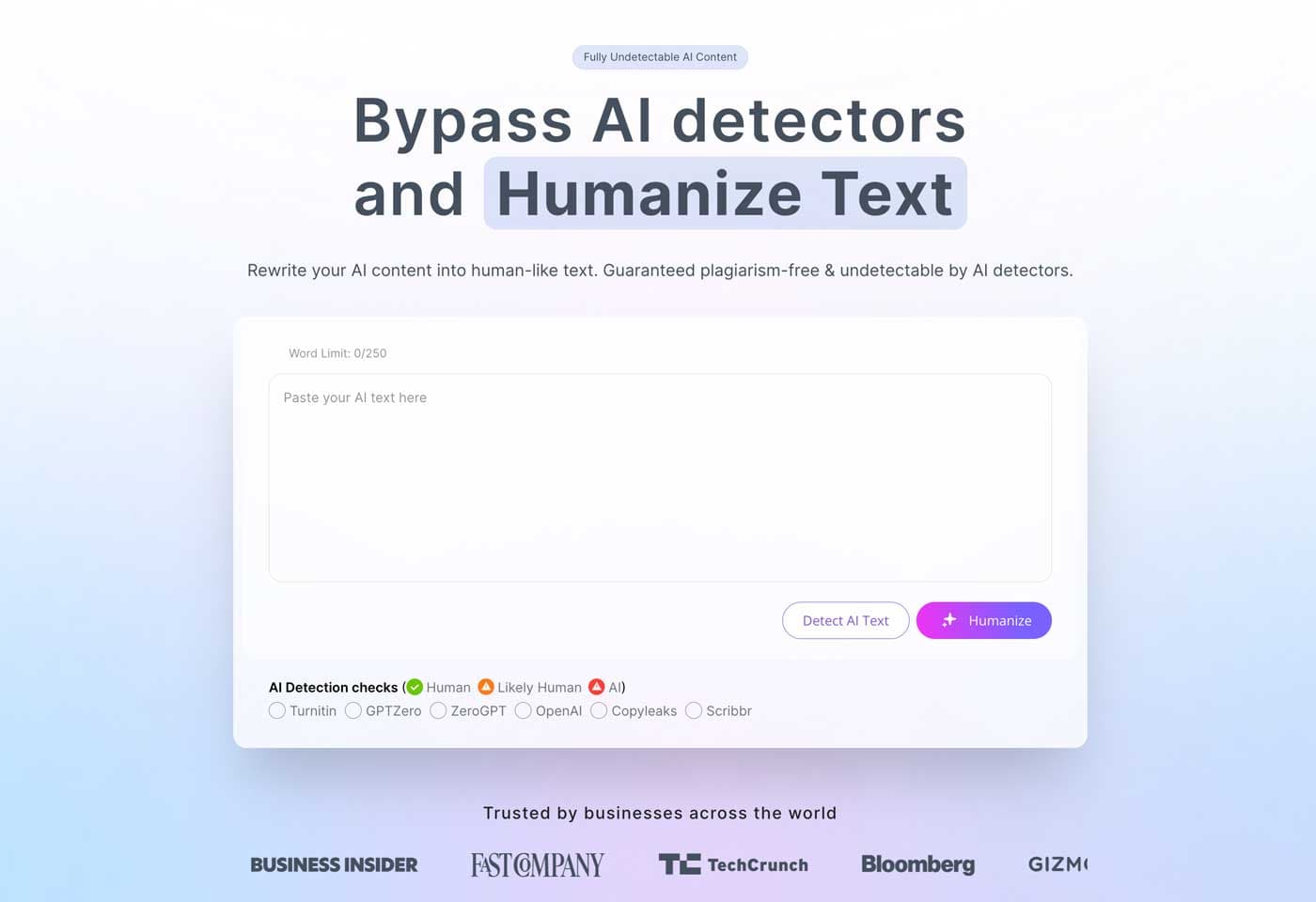
Semihuman.ai empowers content creators, marketers, and SEO specialists to transform AI-generated text into naturally human-like content that engages readers and passes detection tools. Harness features like text restructuring and keyword integration to enhance your curated content’s authenticity and SEO ranking without losing your unique voice. Discover how to humanize your AI-supported workflow and maintain ethical standards with trusted attribution practices by exploring how to identify reliable sources in research and mastering the art of content curation vs creation.
Take control of your content strategy today by visiting Semihuman.ai and experience the power of AI-human collaboration for content curation that truly connects.
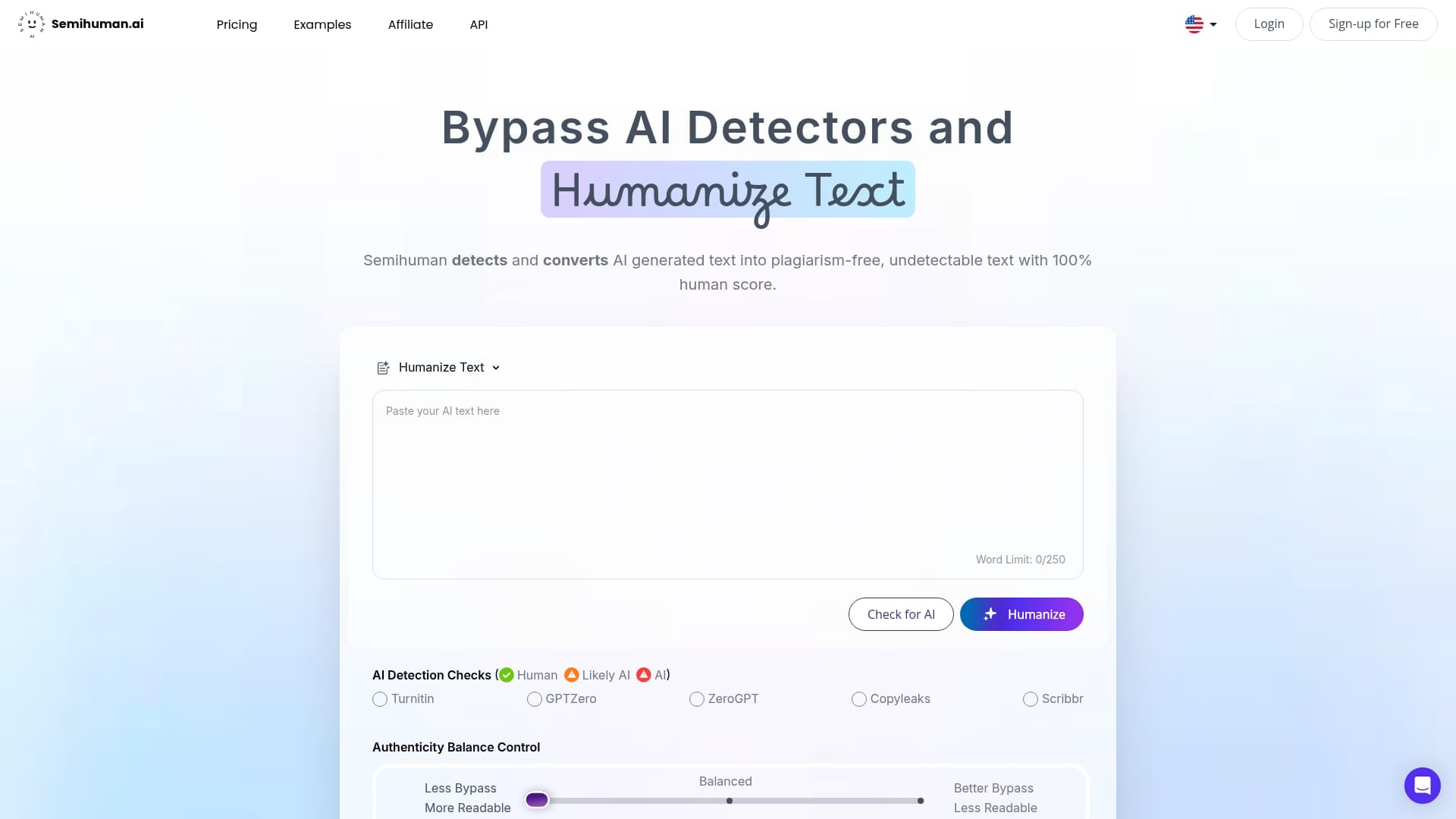
Ready to elevate your curated content with authentic voice and advanced SEO? Start your journey now with Semihuman.ai and transform AI text into engaging, trustworthy, and unique content that stands out in today’s competitive digital world.
To identify reliable content sources, evaluate the author’s credentials and the publication's reputation. Create a checklist to verify the source's credibility and ensure it aligns with your audience’s needs.
Blend AI-generated content with human insights by allowing AI to handle initial data gathering and then applying your expertise to assess and contextualize the information. This partnership enhances efficiency while ensuring the final product is relevant and meaningful.
Storytelling adds a human touch to curated content, making it relatable and memorable for your audience. Incorporate narratives to connect facts with real-life experiences, enriching your content and improving reader engagement.
Focus on consistent tone, perspective, and approach when editing curated content. Create an editorial checklist and ensure your unique voice is evident across all curated pieces to build trust and credibility with your audience.
Ensure ethical attribution by linking back to the original source for every curated piece and clearly acknowledging quotes or ideas that are not your own. Create a standard practice for citations to prevent plagiarism and enhance your credibility.
Optimize curated content by naturally incorporating keywords into titles, headings, and introductions without compromising readability. Aim to include your primary keyword 1-2 times per 500 words, ensuring the content remains engaging for readers.


Start
Humanizing
for Free!
Humanize