
Loading...

Did you know that over 60 percent of AI generated content can be detected by popular screening tools? As content creation becomes more sophisticated, writers face new challenges in keeping their work both authentic and undetectable. Understanding how to analyze detection risks, apply human writing techniques, and ensure genuine credibility will help you produce text that stands out for both quality and compliance.
| Key Point | Explanation |
|---|---|
| 1. Identify AI detection triggers | Use multiple AI detection tools to spot potential flags in your content. |
| 2. Add human-like nuances | Introduce personal anecdotes and slight imperfections to enhance the authenticity of your writing. |
| 3. Blend natural language with keywords | Seamlessly integrate keywords in a conversational style to improve readability and bypass detection systems. |
| 4. Cross-verify with detection platforms | Test your content with different detection tools for consistent evaluation of authenticity. |
| 5. Ensure ethical content standards | Conduct a comprehensive audit to verify factual accuracy and prevent the spread of misinformation. |
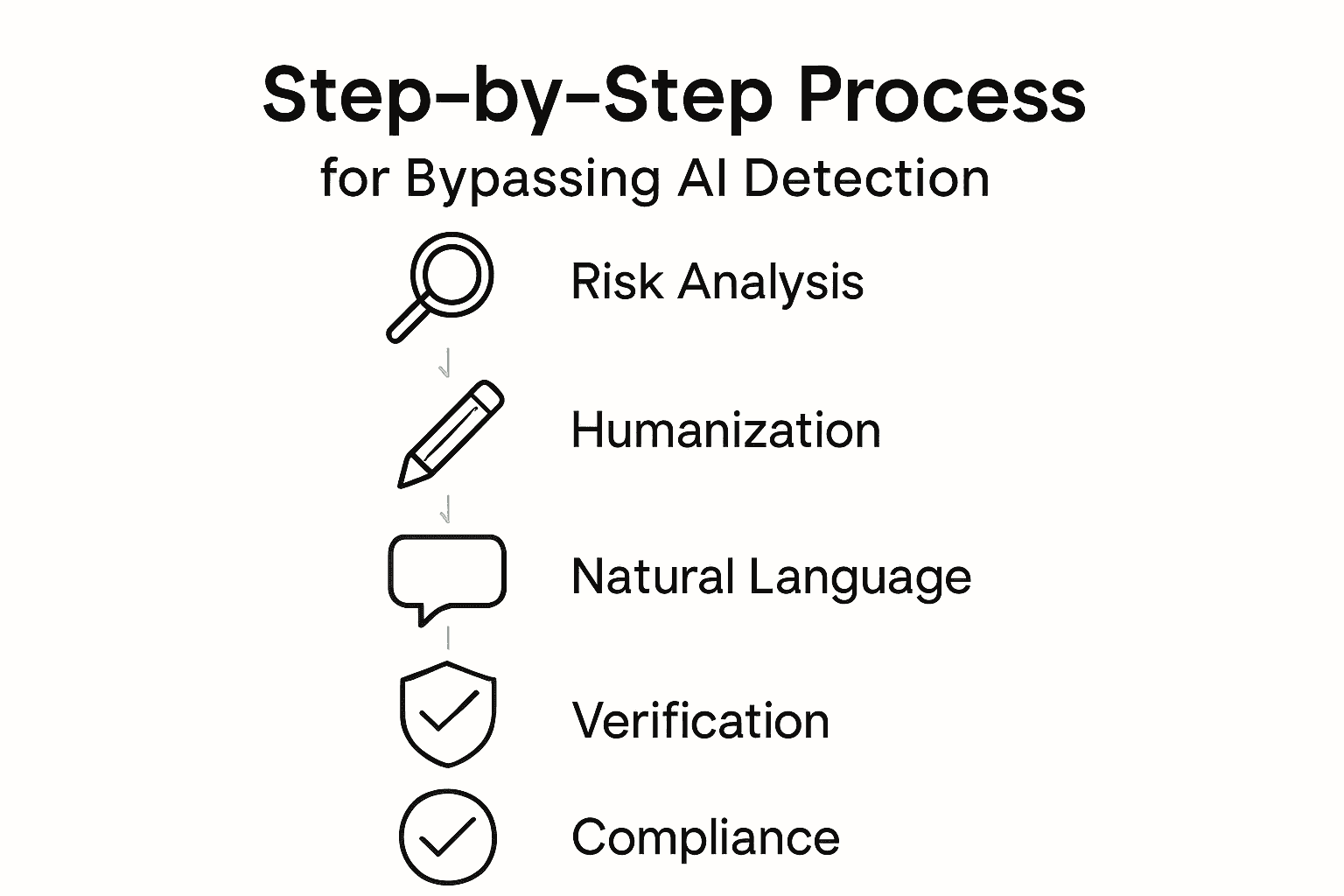
In this step, you will learn how to assess and mitigate potential AI detection risks before creating content. Understanding these risks helps you craft more authentic writing that can successfully bypass automated screening tools.
Starting your content preparation requires a strategic approach to risk evaluation. According to research from ArXiv, generative AI has introduced significant risks across content creation domains including potential misinformation and content manipulation. This means you need to carefully analyze how AI detection systems might flag your work.
Begin by running a preliminary scan of your draft through multiple AI detection platforms. These tools will provide insights into specific patterns or markers that might signal artificial generation. Pay close attention to language consistency, repetitive structures, and unnatural phrasing that could trigger detection algorithms.
As Axios reports, current detection technologies have inherent limitations and can be unreliable. This uncertainty actually works in your favor. By understanding these imperfect systems, you can strategically modify your content to appear more human generated.
Pro Tip: Mix complex and simple sentence structures. AI often produces uniformly structured text, so varying your writing rhythm can make your content feel more organic.
The next step involves refining your draft to reduce potential AI markers. This means introducing subtle human elements like contextual nuance, slight imperfections, and personal perspective that automated systems struggle to replicate.
Remember that content preparation is an ongoing process of refinement and strategic adjustment.
In this step, you will learn how to transform AI generated text into authentic human-like writing that can bypass detection systems. Your goal is to make machine-written content sound natural and original.
Research from ACL Anthology reveals that current detection models can be quickly compromised through strategic text modifications. This means you have multiple opportunities to adjust your content and make it appear more human-generated.
Start by analyzing your draft for telltale AI markers. Look for uniform sentence structures, overly perfect grammar, and language that sounds too polished. Your mission is to introduce subtle variations that break predictable patterns.
As suggested by WriteNinja, focus on adding personal nuance and contextual elements that automated systems struggle to replicate. This might include introducing slight grammatical imperfections, using more conversational language, or inserting unique personal perspectives.
Pro Tip: Read your text out loud. If it sounds robotic or too perfect, you need more human-like adjustments.
Consider rewriting sections to include more varied sentence lengths, colloquial expressions, and natural flow. Incorporate personal anecdotes or specific examples that demonstrate genuine understanding rather than generic information.
The key is creating text that feels authentically human while maintaining the core message and information integrity. Learn more in our guide on humanizing AI text.
Remember that humanization is an art of subtle transformation. Each small change brings you closer to content that sounds genuinely human authored.

In this step, you will learn how to strategically blend natural language patterns and keywords to create content that sounds authentically human while maintaining your original message. Your goal is to make your writing feel organic and undetectable.
According to research from ArXiv, AI detection tools often struggle with writing samples that incorporate nuanced language techniques. This means you have significant opportunities to refine your text and bypass automated screening systems.
Start by analyzing your current draft for mechanical language patterns. Look for repetitive sentence structures, overly technical terminology, and phrases that sound too perfect or uniform. Your mission is to introduce linguistic variations that mimic natural human communication.
Wikipedia highlights that detection tool accuracy worsens with strategic paraphrasing. This provides an excellent opportunity to reimagine your content through a more conversational lens.
Pro Tip: Imagine you are explaining your topic to a friend over coffee. Use the same relaxed, spontaneous language you would in real conversation.
Focus on incorporating regional expressions, slight grammatical imperfections, and contextual nuances that automated systems struggle to replicate. Mix academic precision with colloquial insights. Use first person perspectives. Share brief personal observations that add authenticity.
Keyword integration should feel natural not forced. Weave important terms into your text as if they are part of a flowing dialogue. Avoid keyword stuffing or mechanical repetition.
Learn more strategies in our comprehensive guide on humanizing AI text.
Remember that language transformation is an art of subtle sophistication. Each carefully crafted sentence brings you closer to content that sounds genuinely human authored.
In this step, you will learn how to systematically test your content against multiple AI detection platforms to ensure it appears genuinely human written. Your goal is to confirm that your carefully crafted text can successfully bypass automated screening systems.
Axios reports that commercially available AI detection tools are notoriously unreliable. This means you will need a strategic approach to verification that goes beyond relying on a single detection platform.
Begin by selecting 3-5 reputable AI detection tools. Some popular options include GPTZero, Copyleaks, and Originality.ai. Run your modified text through each platform and carefully analyze the results. Pay close attention to the percentage of AI detection and any specific markers that might trigger suspicion.
Pro Tip: No single detection tool is 100% accurate. Always cross reference multiple platforms and look for consistent patterns.
If a detection tool flags your content, do not panic. Instead, view this as an opportunity for further refinement. Go back to your previous steps and make additional modifications. Focus on introducing more conversational language, personal perspectives, and subtle imperfections that make the text feel authentically human.
Consider the nuanced feedback from detection tools as a roadmap for improvement. Some tools might highlight specific sections that sound more machine generated. Use these insights to target your humanization strategies more precisely.
Learn advanced techniques in our guide on undetectable AI tools.
Remember that verifying undetectability is an iterative process. Each round of testing and refinement brings you closer to content that seamlessly mimics human writing.

In this step, you will learn how to transform your AI generated content into a version that meets professional standards of authenticity and ethical guidelines. Your goal is to create content that is not just undetectable but also responsible and credible.
Research from PARC highlights significant risks associated with generative AI, emphasizing the critical need to verify content for accuracy and prevent potential misinformation. This means your refinement process goes far beyond simply avoiding detection.
Begin by conducting a comprehensive content audit. Carefully review each section for factual accuracy, contextual relevance, and potential bias. Look for statements that sound too generic or lack specific insights that demonstrate genuine understanding.
Reuters recommends implementing robust human oversight on AI generated content. This means approaching your text with a critical eye and being willing to substantially rewrite sections that do not meet high professional standards.
Pro Tip: Imagine you are presenting this content to an expert in your field. Would they find it credible and nuanced?
Focus on adding original perspectives, citing credible sources, and including specific examples that demonstrate deep subject matter knowledge. Your refined content should reflect expertise that AI alone cannot replicate.
Pay special attention to potential ethical considerations. Ensure your content does not inadvertently spread misinformation, present biased viewpoints, or make unsupported claims.
Learn more about maintaining content integrity in our comprehensive guide.
Remember that authenticity is about more than just avoiding detection. It is about creating content that genuinely serves your readers and maintains the highest standards of professional communication.
Here's a summary of each step and its core focus:
| Step | Main Objective | Key Techniques |
|---|---|---|
| Step 1: Analyze Detection Risks | Identify and mitigate AI detection triggers | Use detection tools Vary writing patterns |
| Step 2: Apply Humanization | Transform AI text into human-like writing | Add nuance Use conversational tone Introduce slight imperfections |
| Step 3: Blend Natural Language & Keywords | Seamlessly combine keywords with natural writing | Paraphrasing Colloquial expressions Keyword weaving |
| Step 4: Verify Undetectability | Test content using multiple detection platforms | Cross-platform analysis Iterative refinement |
| Step 5: Ensure Authenticity & Compliance | Refine content for accuracy and ethical standards | Content audit Source credibility Ethical review |
Struggling to make your AI-generated content sound truly human and bypass detection tools like GPTZero or Copyleaks is a common challenge explored in "Mastering Content Avoiding AI Detection Online Step-by-Step". You want authenticity and credibility without spending hours rewriting or risking being flagged. The pain points of uniform phrasing, overly perfect grammar, and robotic tone make it tough to engage your audience naturally.
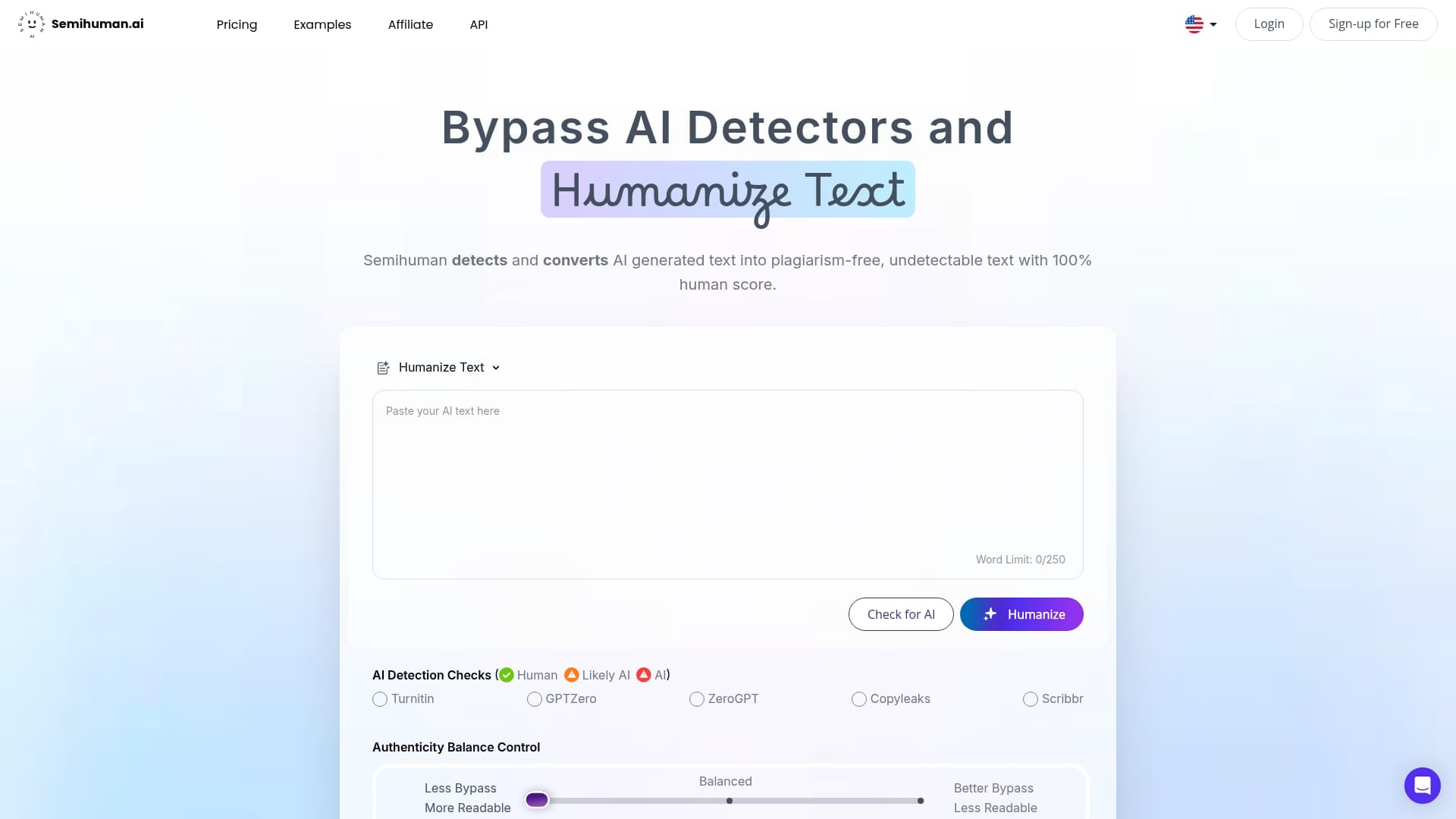
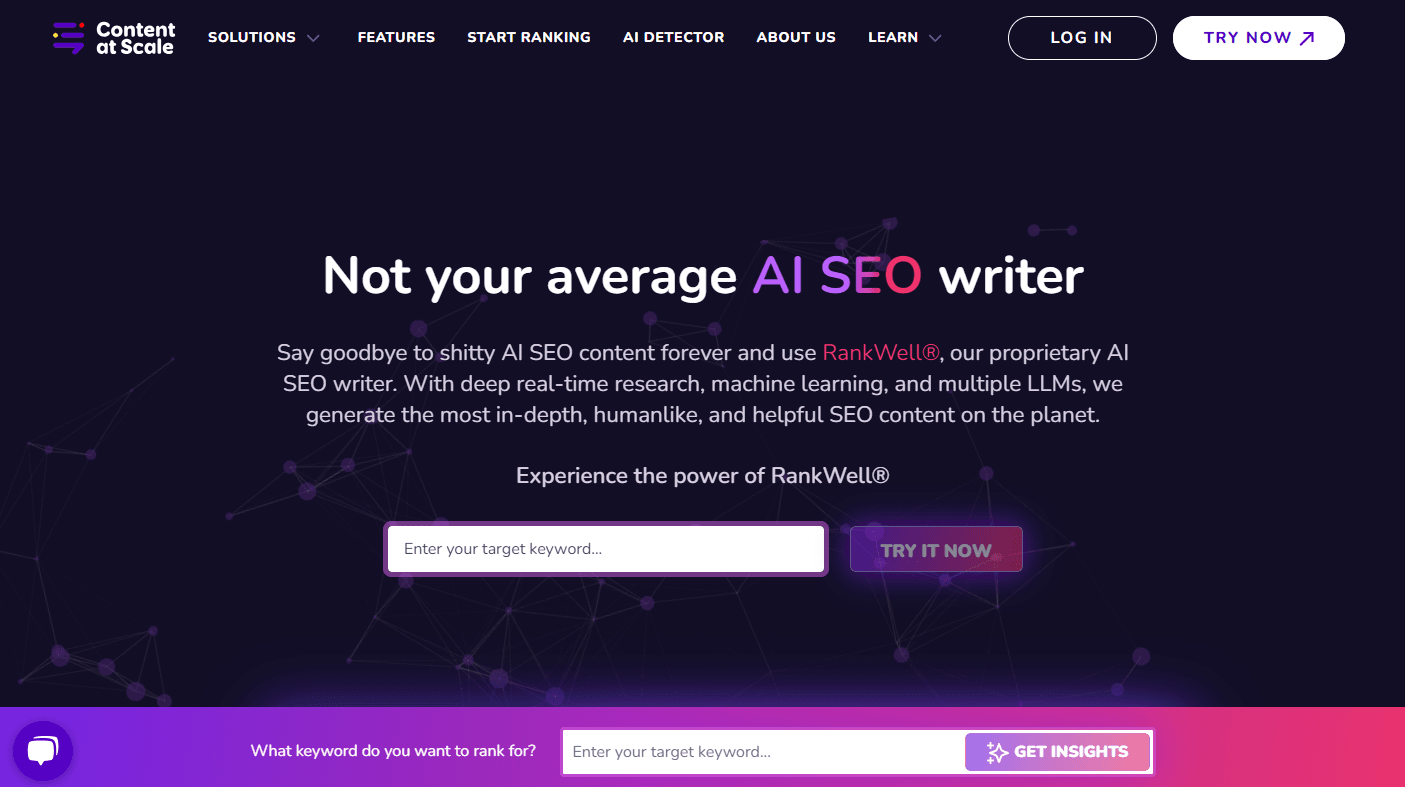
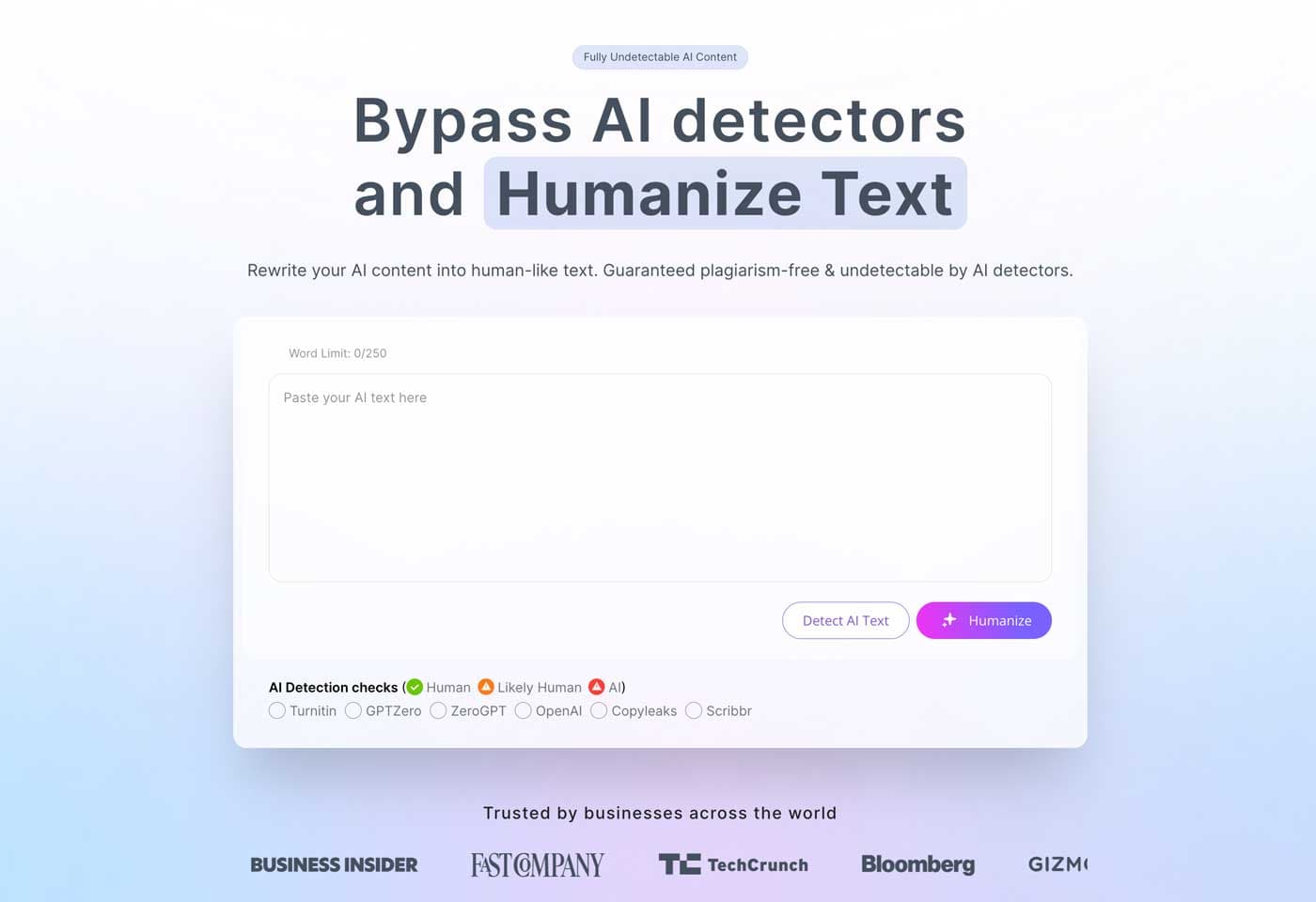
Take control of your content with Semihuman.ai, the specialized platform built to humanize AI-written text seamlessly. Whether you need text restructuring, keyword integration, or detection evasion, our tools help you transform your drafts into organic, believable writing that passes AI detection checks and improves SEO performance. Start refining your content now and maintain the human touch your readers crave. Visit Semihuman.ai and experience the difference in authentic content creation today.
Begin by running a preliminary scan of your draft through multiple AI detection platforms. This will help identify potential markers that may trigger detection algorithms, allowing you to adjust your writing style accordingly.
To transform AI text into more authentic writing, focus on adding personal nuance and contextual elements. Incorporate slight grammatical imperfections and conversational language to create a more natural flow in your content.
Seamlessly integrate keywords into your content by using a conversational tone and avoiding mechanical repetition. Aim to incorporate key terms as if they are part of a spontaneous dialogue, making your writing feel more organic and engaging.
If a detection tool flags your content, take it as feedback for refinement. Revisit your text and introduce more conversational language and personal insights to enhance its naturalness and bypass detection systems.
Test your content using 3-5 reputable AI detection tools and analyze the results for consistent patterns. Make iterative adjustments based on their feedback to ensure your writing appears authentically human within 30–60 days.
Conduct a comprehensive content audit to verify factual accuracy and ethical considerations. Incorporate original perspectives and cite credible sources to maintain high professional standards in your writing.


Start
Humanizing
for Free!
Humanize