
Loading...

AI detection tools struggle with multilingual content, showing accuracy drops of up to 20% compared to English-only text. This creates both a challenge and an opportunity for content creators working across languages. Mastering authentic multilingual content creation while evading AI detection requires understanding cultural nuance, linguistic variability, and detection system limitations.
| Point | Details |
|---|---|
| Multilingual detection challenges | AI detection accuracy drops by 20% for multilingual texts due to linguistic variability and training biases. |
| Cultural nuance matters | Idiomatic expressions and localized content significantly reduce AI detection rates compared to literal translations. |
| Four-pillar framework | Linguistic authenticity, cultural relevance, structural variability, and detection awareness form the foundation for humanization. |
| SEO performance boost | Humanized multilingual content can improve SEO rankings by 20-30% through enhanced engagement and authenticity signals. |
| Human editor necessity | Automated tools alone cannot replicate the cultural adaptation and contextual understanding human editors provide. |
Creating authentic multilingual content presents unique obstacles that AI-generated text often fails to navigate. AI detection tools often have lower accuracy with multilingual content due to linguistic variability and training data biases. These systems were primarily trained on English content, creating blind spots in other languages.
The complexity increases when creators attempt to scale content production across multiple markets. Literal translations trigger detection systems because they lack the natural flow native speakers expect. Cultural references, idiomatic expressions, and syntax patterns vary dramatically between languages, yet basic AI translation maintains rigid structures that feel robotic.
Key challenges include:
These factors make avoiding AI detection online more complex but also more achievable when you understand the gaps in detection systems.
Cultural adaptation separates authentic multilingual content from mechanically translated text. Idiomatic expressions, local humor, and cultural references create the human authenticity that readers recognize instantly. Machine translation tools typically fail with metaphors, slang, and culturally specific concepts that don't translate directly.

Consider how "break a leg" means good luck in English but would confuse readers if translated literally to other languages. Similarly, business formality levels vary dramatically. German business writing demands formal language structures, while Brazilian Portuguese allows more casual tones even in professional contexts.
Successful multilingual content requires:
Pro Tip: Create a reference document for each target language listing common idioms, cultural touchpoints, and regional preferences. Update it regularly based on audience feedback and engagement metrics.
This cultural layer adds depth that AI detection systems struggle to quantify. When you write for creating content for global audiences naturally, you embed signals of human authorship that transcend simple language patterns.
AI detection tools look for repetitive language patterns and common AI output features, with reduced effectiveness on low-resource languages. Understanding these mechanisms helps you avoid triggering detection flags while maintaining content quality.
Detection systems analyze several factors:
The challenge intensifies with low-resource languages where training data for both AI generation and detection remains limited. French, Spanish, and German see robust detection capabilities. Languages like Indonesian, Thai, or regional dialects face weaker detection but also benefit from less sophisticated generation tools.
Literal AI translations trigger immediate red flags. They preserve sentence structures from the source language, creating unnatural syntax in the target language. They also fail to localize cultural references, producing content that technically translates but feels foreign to native speakers.
Performance varies significantly by language family. Romance languages share enough structure that detection systems trained on one can partially recognize patterns in others. Mandarin, Arabic, and Japanese require entirely different analytical approaches. This creates opportunities for creators who understand AI detection mechanisms and adapt accordingly.
Effective humanization follows a structured framework addressing four critical pillars: linguistic authenticity, cultural relevance, structural variability, and detection awareness. Each pillar targets specific aspects of content that separate human writing from AI generation.
Core strategies include:
| Technique | Impact | Best For |
|---|---|---|
| Idiomatic substitution | High | All languages with rich idiom sets |
| Syntax restructuring | Very high | Languages with flexible word order |
| Cultural reference insertion | High | Content targeting specific regions |
| Colloquial vocabulary | Medium to high | Informal or consumer-focused content |
| Regional dialect incorporation | Medium | Local market targeting |
Human editor intervention proves crucial for authentic results. Editors humanize AI text by recognizing subtle cultural nuances that automated tools miss. They adjust tone to match local communication styles and verify that content resonates with the target audience's expectations.
Pro Tip: Apply the iterative testing method. Run content through AI detection tools, identify flagged sections, revise those specifically, and retest. Repeat until detection scores drop below your target threshold.
The goal extends beyond simple detection evasion. You want content that sounds less robotic while delivering genuine value. Focus on making every sentence feel like something a knowledgeable native speaker would actually write. This approach naturally avoids bland AI phrasing while improving reader engagement.
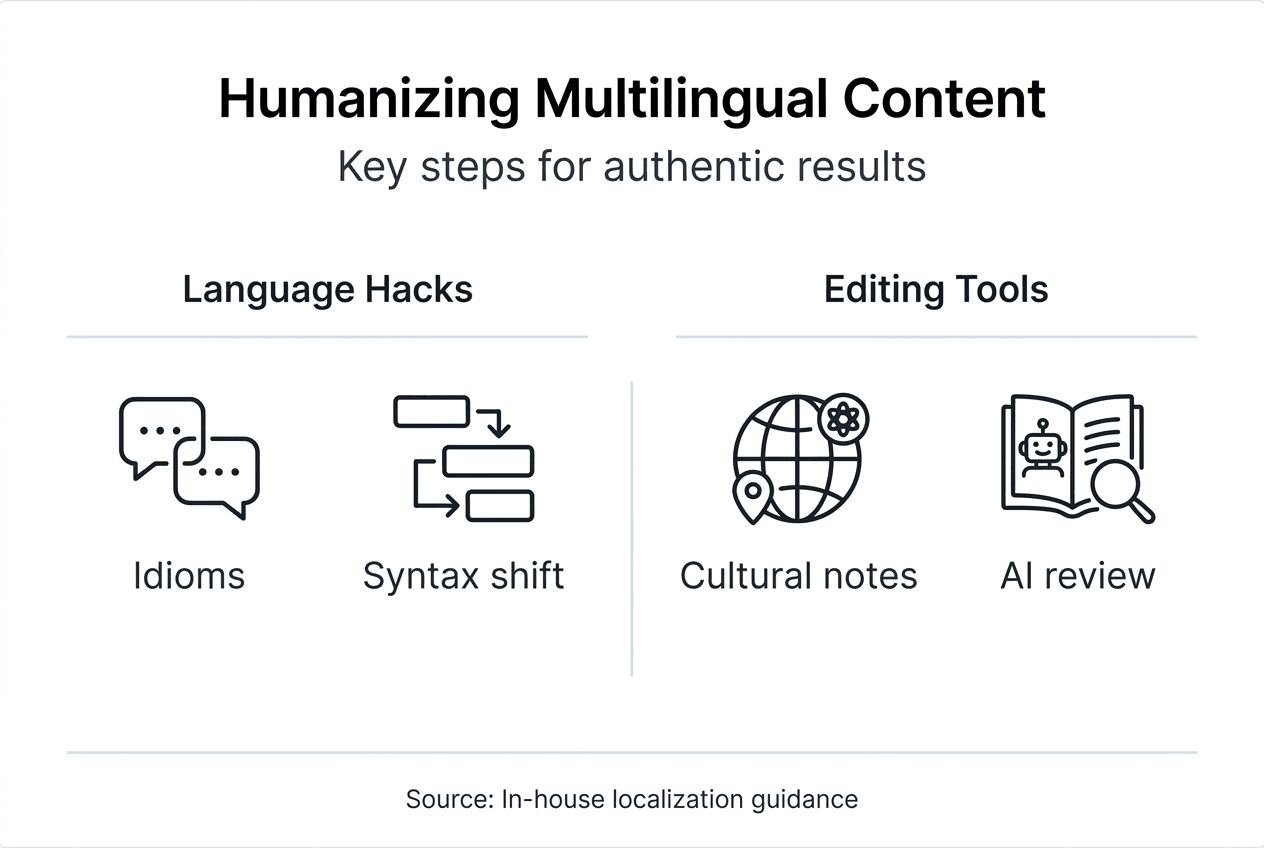
Humanized multilingual content delivers measurable SEO advantages beyond detection evasion. Search engines increasingly prioritize content quality signals that correlate with human authorship, particularly engagement metrics and natural language patterns.
Performance data shows compelling results:
| Metric | Improvement Range | Timeframe |
|---|---|---|
| Organic traffic growth | 20-30% | 3-6 months |
| Average session duration | 15-25% | 2-4 months |
| Bounce rate reduction | 10-18% | 2-3 months |
| Page authority increase | 8-15% | 4-8 months |
These gains stem from improved user experience. Readers stay longer on pages with natural, culturally relevant content. They share authentic material more frequently and link to it more readily. SEO strategies increasingly reward these engagement signals.
Practical implementation requires balancing competing priorities:
Tool selection significantly impacts results. Some platforms excel at linguistic restructuring but miss cultural nuances. Others provide strong cultural adaptation but struggle with detection evasion. The most effective approach combines automated tools for initial processing with human editors for final refinement.
Budget constraints often force difficult choices. Starting with high-priority markets and languages delivers better results than spreading resources thin across many languages. Focus first on markets where you see strongest existing performance or highest growth potential.
Several widespread false beliefs undermine effective multilingual content strategies. Clearing these misconceptions sharpens your approach and prevents wasted effort on ineffective tactics.
Myth one suggests literal translations suffice if the grammar is correct. Reality shows literal translations have 60% higher AI detection compared to culturally adapted content. Grammar accuracy means nothing if the content feels unnatural to native speakers.
Another misconception claims AI detection works equally across all languages. Detection efficacy varies dramatically by language, with English detection being most sophisticated. Low-resource languages see weaker detection but also produce lower-quality AI generation, creating different challenges.
Key misconceptions to avoid:
Some creators believe over-automating processes will scale effectively without quality loss. This assumption fails because cultural nuance requires human judgment that current AI cannot replicate. The most successful approaches blend automation for efficiency with human expertise for authenticity.
Understanding these realities helps you allocate resources effectively and set realistic expectations for multilingual content production.
Implementing the four-pillar humanization framework starts with assessing your current content production workflow. Identify where AI generation happens, where human review occurs, and where cultural adaptation takes place.
Recommended implementation sequence:
Balancing cultural authenticity with detection evasion requires continuous learning. Languages evolve, detection systems improve, and audience expectations shift. Build feedback loops that capture reader responses and adjust your approach accordingly.
The most effective workflows separate initial content generation from humanization steps. Generate AI content first, then apply systematic humanization techniques, followed by human editorial review focused on cultural authenticity. This staged approach maintains efficiency while ensuring quality.
For detailed guidance on implementation, review resources on humanizing machine-written text that provide specific examples and templates.
Creating truly authentic multilingual content that evades detection while delivering reader value requires specialized tools designed for this exact challenge. Semihuman AI offers comprehensive solutions that address every aspect of multilingual humanization.
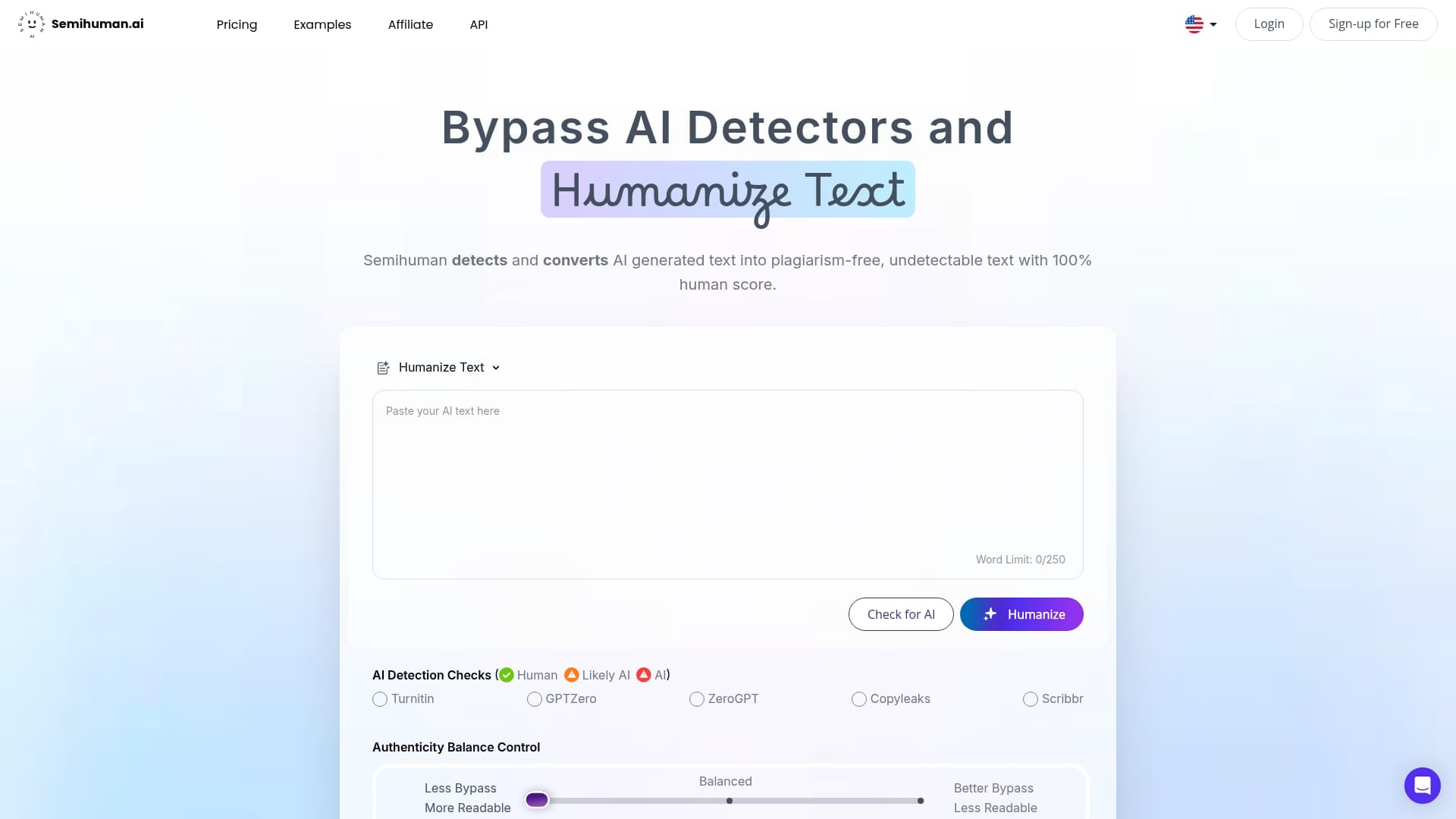
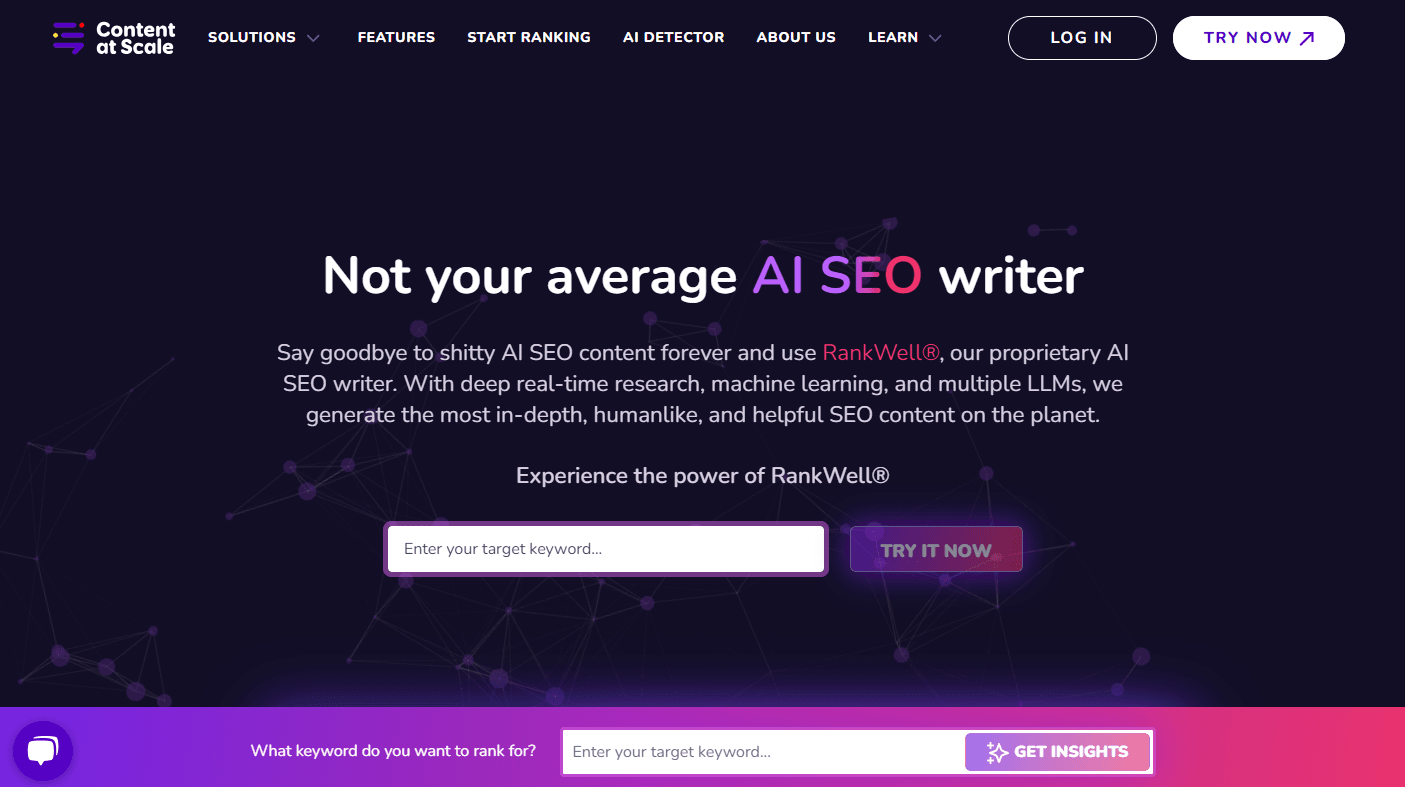
The platform combines advanced SEO text generation with cultural adaptation capabilities, helping you produce content that ranks well while feeling genuinely human. Features include intelligent sentence restructuring, idiomatic phrase substitution, and cultural relevance optimization across dozens of languages.
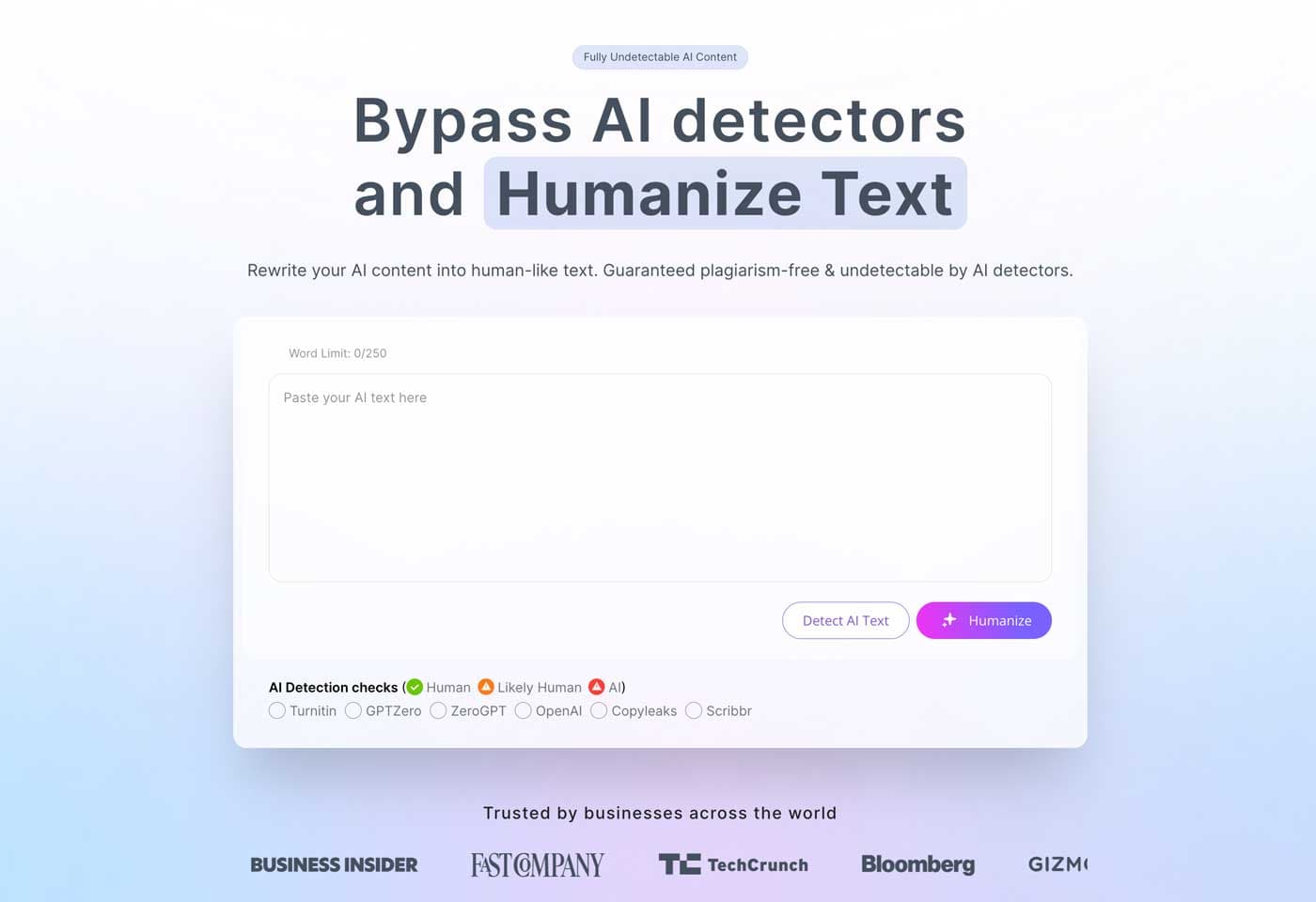
For creators focused on detection evasion, AI proof writing tools integrate directly into your workflow. These systems analyze your content against multiple detection algorithms simultaneously, identifying problem areas and suggesting specific improvements. The platform helps you bypass AI detectors while maintaining the authentic voice that resonates with your target audience.
Maintaining linguistic accuracy while embedding cultural nuance presents the primary challenge. Direct translations miss idioms, humor, and cultural references that native speakers expect. Balancing production speed with authenticity requires careful workflow design and appropriate tool selection.
AI detection adds complexity because systems perform differently across languages. What works for English content may fail completely for Japanese or Arabic. Successful creators invest time understanding each target language's unique characteristics.
Literal translations rarely achieve authenticity and dramatically increase AI detection risk. Research shows literal translations have 60% higher detection rates compared to culturally adapted content. They preserve source language syntax patterns that feel unnatural to target language readers.
The only exception is highly technical content where precision matters more than cultural resonance. Even then, localized examples improve comprehension.
Detection effectiveness varies dramatically by language. AI detection accuracy drops by up to 20% for multilingual texts due to linguistic variability and training biases. English sees the most sophisticated detection, while low-resource languages face weaker but still present detection capabilities.
This variation creates opportunities for strategic content creation. Understanding which languages face stricter detection helps you allocate humanization resources effectively.
Start by restructuring sentences using syntax patterns natural to your target language. Replace generic phrases with idiomatic expressions native speakers actually use. Engage human editors familiar with the target culture to review and refine content.
Implement iterative testing with AI detection tools to identify problematic sections. Focus your editing efforts where detection scores are highest. Resources on humanizing AI text provide detailed techniques and examples for systematic improvement.


Start
Humanizing
for Free!
Humanize