
Loading...

Over 80 percent of american marketers are now tapping into machine learning to sharpen their content strategies. As digital competition intensifies, understanding how these powerful algorithms analyze data, personalize experiences, and predict trends is changing the rules for brands of all sizes. This guide uncovers how machine learning is redefining content marketing, revealing practical ways businesses can use smart technology to connect with their audiences more effectively.
| Point | Details |
|---|---|
| Machine Learning Enhances Personalization | Algorithms analyze data to create hyper-targeted content experiences, predicting user engagement and adapting strategies in real time. |
| Different Types of Machine Learning | Marketers should apply supervised, unsupervised, and reinforcement learning approaches to extract insights and optimize content strategies. |
| Transformative Impact on Content Creation | Machine learning enables advanced content generation and optimization, allowing for more strategic and responsive content development. |
| Ethical Considerations are Essential | Adopting robust ethical practices is crucial for responsible AI use, ensuring transparency, data privacy, and originality in content creation. |
Machine learning represents a sophisticated computational approach where algorithms learn and improve from data without explicit programming, transforming how content marketing strategies are developed and executed. By analyzing massive datasets, these intelligent systems can uncover intricate patterns and insights that human analysts might overlook.
In the context of content marketing, machine learning enables unprecedented personalization and predictive capabilities. Advanced content generation techniques leverage algorithms that can understand audience preferences, predict engagement metrics, and dynamically adjust content strategies in real time. These systems analyze user interactions, demographic data, browsing histories, and engagement patterns to create hyper-targeted content experiences.
The fundamental mechanics of machine learning in content marketing involve several critical processes. Algorithms process historical performance data, identifying correlations between content characteristics and audience responses. They then use these insights to recommend optimal content structures, suggest topic ideas, predict potential viral content, and even automate content creation workflows. Researchers have consistently highlighted machine learning's potential to transform traditional marketing approaches, with bibliometric analyses showing significant research interest in predictive modeling and digital marketing applications.
Key components of machine learning in content marketing include:
By integrating machine learning, marketers can move beyond intuition-based strategies toward data-driven, scientifically optimized content approaches that deliver measurable results and unprecedented audience engagement.
Machine learning encompasses diverse approaches that enable marketers to extract meaningful insights and optimize content strategies. Systematic research has identified several fundamental machine learning methods that can be strategically applied across different marketing contexts, each offering unique capabilities for data analysis and predictive modeling.
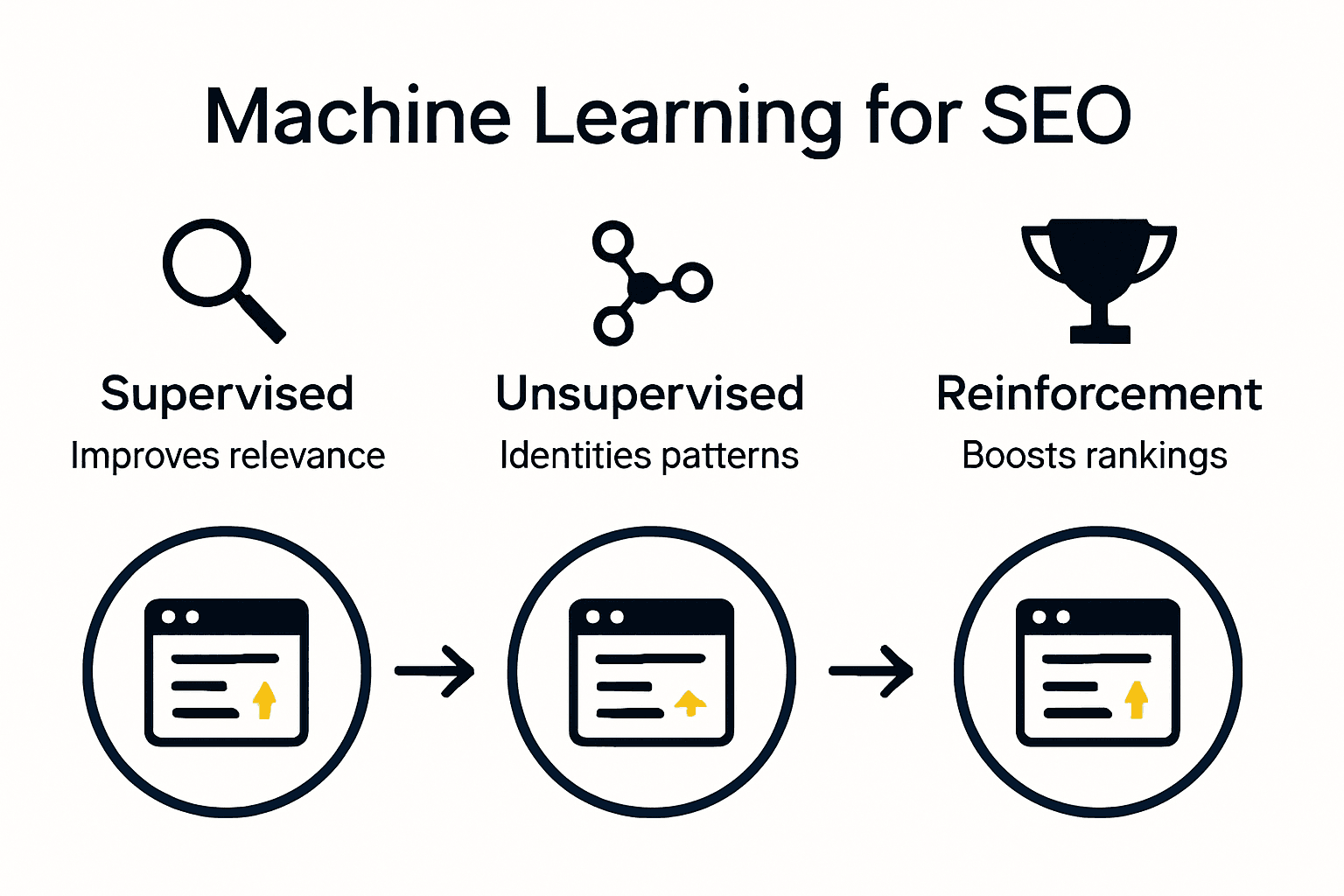
The primary categories of machine learning relevant to content marketing include supervised learning, unsupervised learning, and reinforcement learning. Supervised learning algorithms operate by training on labeled datasets, allowing marketers to predict consumer behaviors, classify audience segments, and develop targeted content recommendations. These models excel at tasks like engagement prediction, customer churn analysis, and personalized content generation.

Unsupervised learning techniques provide powerful tools for discovering hidden patterns within complex marketing datasets. By utilizing clustering algorithms like k-Means and Non-negative Matrix Factorization, marketers can uncover nuanced audience insights without predefined labels. These methods enable sophisticated audience segmentation, identifying intricate behavioral clusters that traditional analytics might overlook.
Reinforcement learning represents a dynamic approach where algorithms continuously optimize strategies through iterative learning. In content marketing, this means creating adaptive systems that improve content performance by learning from real-time engagement metrics. Key applications include:
By understanding and strategically implementing these machine learning approaches, marketers can transform raw data into actionable intelligence, creating more responsive and intelligent content strategies that adapt in real time.
Machine learning has revolutionized content creation by introducing sophisticated algorithms capable of analyzing, generating, and optimizing content with unprecedented precision. Neural network systems now provide actionable insights that transform how marketers conceptualize, develop, and distribute creative materials across multiple platforms.

The transformative power of machine learning in content creation manifests through several key mechanisms. Intelligent algorithms can now analyze vast datasets to understand nuanced audience preferences, generating content that resonates with specific demographic segments. AI technologies systematically categorize content creation capabilities across multiple dimensions, including information analysis, content enhancement, and targeted distribution strategies.
Creative applications of machine learning extend beyond simple content generation. Advanced algorithms can now:
By leveraging machine learning, content creators can move beyond traditional creative limitations. These intelligent systems analyze millions of data points, identifying patterns and insights that human analysts might miss, ultimately enabling more strategic, responsive, and targeted content development approaches that adapt in real time to audience interactions and preferences.
Artificial intelligence has become a powerful tool for marketers seeking to optimize search engine performance while navigating complex detection challenges. Augmented analytics technologies employ sophisticated machine learning techniques to automate data analysis, providing unprecedented insights into search engine optimization strategies and content creation approaches.
The intersection of AI and SEO reveals multiple strategic advantages for content creators. Advanced detection evasion techniques enable marketers to develop content that appears naturally human-generated while maintaining high search engine rankings. Intelligent algorithms can now analyze search patterns, predict algorithm changes, and dynamically adjust content to meet evolving digital marketing requirements.
Key strategies for leveraging AI in SEO and content optimization include:
By integrating machine learning technologies, content creators can develop more sophisticated approaches to search engine optimization. These intelligent systems analyze millions of data points, identifying nuanced patterns that human analysts might overlook, ultimately enabling more strategic, adaptive, and undetectable content development methodologies that consistently outperform traditional SEO techniques.
Machine learning technologies in content marketing introduce complex ethical considerations that demand careful navigation. Conceptual frameworks for understanding artificial intelligence relationships highlight the critical need for transparent, responsible implementation of advanced algorithmic systems that respect user privacy and maintain intellectual integrity.
Ethical content creation using AI requires a multifaceted approach that balances technological capabilities with human-centric principles. Personalized explanations and user understanding become paramount in maintaining trust and transparency. Content creators must implement robust guidelines that prevent potential misuse, protect user data, and ensure the authenticity of generated materials.
Key ethical best practices for AI-driven content marketing include:
By establishing rigorous ethical standards, marketers can leverage machine learning technologies responsibly. The goal is not to replace human creativity but to augment and enhance content strategies while maintaining the highest levels of professional integrity and user trust.
The article highlights crucial challenges marketers face such as creating authentic, human-like content that avoids AI detection while boosting SEO and engagement. You need reliable solutions that turn AI-generated text into naturally flowing writing by integrating techniques like keyword placement and semantic restructuring. Embracing concepts like predictive analytics and detection evasion from machine learning can feel overwhelming, but you do not have to navigate it alone.
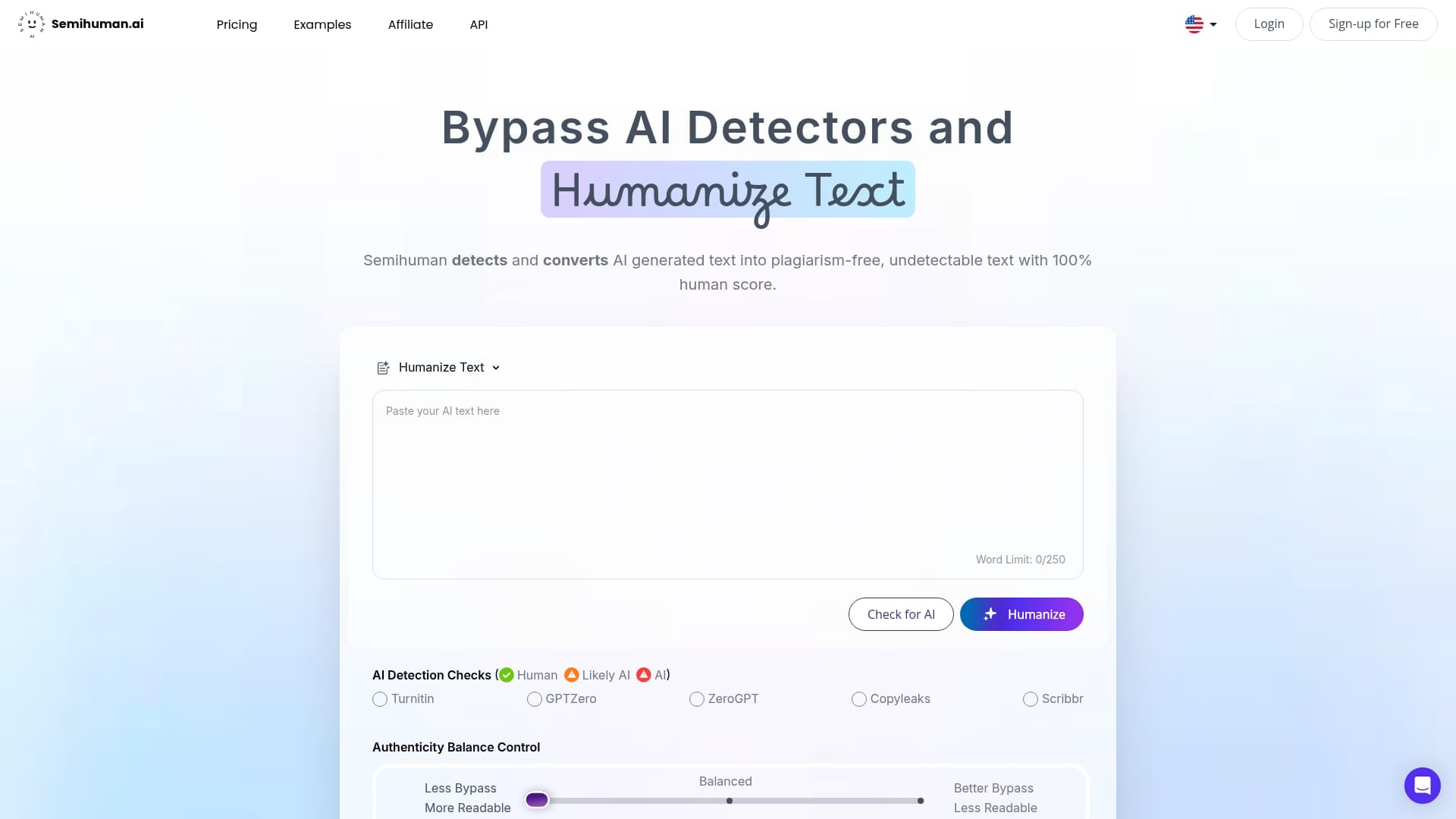
Take control of your content strategy today with Semihuman.ai, a platform built specifically to humanize AI-produced content, ensuring it is undetectable by tools like Turnitin and GPTZero. Harness advanced features for text restructuring and keyword integration to elevate your marketing efforts with content that ranks higher and resonates more deeply. Experience how seamless it is to optimize with AI-driven content creation and maintain ethical, natural connections with your audience. Start transforming your machine learning insights into action with Semihuman.ai now and stay ahead in the evolving digital landscape.
Machine learning in content marketing refers to advanced algorithms that learn from data to optimize content strategies, uncover audience insights, and enhance personalization without explicit programming.
Machine learning analyzes user interactions, demographic data, and engagement patterns to create hyper-targeted content experiences tailored to specific audience preferences.
The primary types of machine learning for marketers include supervised learning, unsupervised learning, and reinforcement learning, each offering unique capabilities for predictive modeling and data analysis.
Ethical best practices include maintaining transparency about AI involvement, protecting user data privacy, ensuring content originality, and preventing algorithmic bias to uphold trust and integrity in content marketing.


Start
Humanizing
for Free!
Humanize