
Loading...

If you want your writing to sound genuinely human, generic advice will not cut it. AI-generated content often falls flat because it lacks real emotion, specific memories, and the subtle markers that readers instantly recognize as authentic. Shifting your approach to include true-to-life details can make all the difference in how your content is perceived and whether it resonates or gets dismissed by audience and detectors alike.
This guide brings you proven strategies for making your writing feel convincingly real. You will learn how to weave in personal memories, spotlight unique details, and capture the kind of dialogues and descriptions that set authentic writing apart. Get ready to uncover straightforward techniques you can use immediately to transform bland text into engaging, memorable stories.
If you want readers to trust your words and feel a real connection, the insights ahead will show you exactly how to achieve it.
| Takeaway | Explanation |
|---|---|
| 1. Start with personal memories | Ground writing in genuine experiences to enhance reader connection and authenticity. |
| 2. Describe unique local events | Referencing specific local occurrences adds credibility and realism to your narrative. |
| 3. Create dialogue with opposing characters | Use conversations between characters with different perspectives to add depth and tension. |
| 4. Rewrite news headlines from your perspective | Transform headlines to reflect your viewpoint and engage readers with a unique angle. |
| 5. Use vivid sensory details | Incorporate multiple senses to create immersive scenes and evoke emotional responses. |
The most human-like content begins with something genuine. When you ground your writing in personal memories, you transform generic AI-generated text into something that actually resonates with readers. Personal memories carry emotional weight and lived experience that algorithms struggle to replicate naturally. This is what separates content that feels authentic from content that feels manufactured.
Here's why this matters: authenticity in writing comes from engaging with real moments from your life. Authenticity in writing prompts shows that when writers incorporate personal reflection and genuine experiences, they create content that connects emotionally with audiences. Your readers can sense whether you're drawing from actual experience or just stringing together plausible-sounding words. When you start with a memory, you're providing your writing with a foundation of truth that no detector tool can easily dismiss. This doesn't mean every article needs to be a memoir. Instead, it means weaving in specific details from moments you've actually experienced, even small ones. A memory of struggling with a problem, learning something unexpected, or noticing something most people miss gives your content immediate credibility.
The practical application is straightforward. Before you write or revise any piece of content, pause and ask yourself: "What personal experience connects to this topic?" Maybe you're writing about productivity tools, and you remember the exact day you realized your old system was broken. Maybe you're discussing customer service, and you recall a time when someone actually listened to you. These aren't distractions from your main point. They're anchors that keep your writing grounded in reality. Journal prompts designed for authenticity emphasize how recalling moments where you felt most genuine creates writing that feels human and vulnerable. Specific sensory details matter too. Don't just say "I was frustrated." Say "I stared at my screen at 2 AM, cold coffee beside me, realizing I'd wasted hours on the wrong approach." That's the texture of real experience.
Pro tip: Before you begin writing or refining AI-generated content, spend three minutes jotting down one specific memory related to your topic, including at least one sensory detail (what you saw, felt, or heard), then weave that detail naturally into your opening paragraph.
Detection tools look for generic, cookie-cutter writing. Local events are their kryptonite. When you anchor your content in specific, real occurrences from actual communities, you immediately signal authenticity to both readers and algorithms. A unique local event provides the kind of concrete detail that feels too specific to be fabricated, giving your writing credibility that sweeping generalizations never could.
Why does this work so effectively? Readers crave specificity. They recognize when something is real versus invented. Writing prompts inspired by real-life events show that describing distinct, localized incidents creates believable narratives that engage audiences far more than abstract statements. When you reference an actual community tradition, a neighborhood festival, a local business closure, or a significant moment that happened in a specific town, you're grounding your narrative in verifiable reality. AI systems generate plausible-sounding content, but they rarely capture the texture of what actually happened in a particular place. That's your advantage. A real event has details that no algorithm would naturally invent together. The date someone remembers incorrectly. The unexpected reaction from an unexpected person. The weather that felt relevant. These specifics aren't just flavor. They're proof.
Here's how to apply this: identify one genuine local event relevant to your topic and describe it with actual details. If you're writing about community resilience, don't invent a story about a town pulling together. Instead, reference a real event you know about or can research. Maybe a local restaurant that survived a fire and reopened with community support. Maybe a neighborhood group that started because of a specific problem people actually faced. Comprehensive prompts for documenting local history emphasize focusing on landmark stories and community traditions to enrich authenticity. You don't need to dedicate your entire piece to the local event. One or two vivid paragraphs describing a specific moment, with names of actual places and genuine details, transforms your entire piece. Include the name of a real street, a real business, a real date. Not "a nearby coffee shop" but "Murphy's Corner Cafe on Fifth Street, which closed in March 2023 after the owner decided to move closer to family." That specificity costs nothing but carries enormous weight.
Pro tip: Choose a local event you personally witnessed or can verify through local news sources, then include at least three specific details that could be fact checked, such as a date, location name, or person's role in the community.
Dialogue is where AI writing often stumbles. Generic exchanges between agreeable characters read like a script that nobody actually wrote. But when you craft conversation between two characters with fundamentally opposed viewpoints, something shifts. The tension becomes real. The disagreement feels earned rather than imagined. This single technique transforms your content from predictable to genuinely engaging.
Why does opposing viewpoints matter so much? Real conversations happen when people actually disagree. They reveal conflict, complexity, and the kind of authentic tension that algorithms struggle to generate naturally. Dialogue prompts focusing on conflict and emotional exchanges show that conversations featuring characters with contradictory traits drive narrative forward far more effectively than harmonious exchanges. When you write dialogue between opposing characters, you're forced to think from multiple perspectives. One character wants change. The other values stability. One speaks in short, direct sentences. The other builds elaborate explanations. These differences create friction that feels human and real. The conversation becomes something more than just information transfer. It becomes a clash of worldviews, and that's exactly what convinces readers that your content came from lived experience rather than a language model.
Implementing this is more practical than you might think. Pick any topic you're writing about and identify two genuinely different perspectives. If you're writing about remote work, create dialogue between someone who thrives working from home and someone who desperately misses an office environment. If you're discussing technology adoption, contrast the perspective of an early adopter with someone skeptical about change. Write at least one exchange where these characters actually push back against each other. Not rudely, necessarily, but authentically. Have the remote worker acknowledge why some people struggle with isolation. Have the skeptic admit why the new approach might have advantages. This complexity reads as honest. It shows you've thought beyond surface level. Include specific details about how each character speaks. Does one use technical jargon while the other prefers plain language? Does one interrupt while the other waits patiently? These verbal tics add layers of authenticity that no prompt generator would naturally include together.
Pro tip: Write dialogue where at least one character changes their position slightly by the end, even if just acknowledging a valid point from the opposing view, since real conversations involve some movement and growth rather than static positions.
Headlines shape how stories are understood. Two outlets can cover the same event but tell completely different stories depending on which angle they emphasize. When you practice rewriting news headlines from your own perspective, you develop a skill that transforms generic content into something distinctly yours. This technique forces you to think critically about which details matter most and how framing changes meaning.
Why does this matter for creating human-like content? AI systems often default to the most obvious angle because they lack genuine perspective. They don't care about the story. You do. Rewriting news headlines and leads by identifying the most compelling angle sharpens your ability to engage readers and choose what truly matters. When you reframe a story around what you find significant, you're injecting genuine perspective into your writing. Take a breaking news story about corporate layoffs. The mainstream headline might read "Tech Company Announces 10% Workforce Reduction." But from your perspective, the story could be "Entire Remote Work Division Eliminated as Company Shifts Back to Office Requirements" or "Layoffs Hit Hardest in Affordable Markets While Executive Bonuses Remain Unchanged." Each reframing is legitimate, but each tells a different truth. That's authenticity. That's perspective. Journal prompts derived from news headlines encourage writers to engage deeply with current events and present stories with originality. This critical thinking is exactly what separates human writing from algorithmic regurgitation.
The practical application is simple but powerful. Find three current news stories relevant to your topic. For each one, rewrite the headline from your specific angle. What aspect would matter most to your audience? What detail did the original headline bury? If you're writing about education policy and see a headline about standardized test scores, your perspective might emphasize what the data means for underfunded schools specifically, or how it ignores student mental health impacts. Write a full paragraph or two from this reframed perspective. Include the original angle but explain why your angle reveals something the mainstream coverage missed. This isn't bias. It's having a viewpoint. It's caring about which details matter. That caring is what makes writing feel authentically human.
Pro tip: Find a news story, write three different headlines emphasizing different angles, then choose the one that reflects your genuine perspective, and build your content around that specific framing rather than the most obvious angle.
Common sayings are linguistic shortcuts. Everyone knows them. Nobody really thinks about them. This is exactly why transforming a proverb or familiar phrase into a short narrative works so effectively for creating authentic content. When you take something people think they understand and show them the real human experience behind it, you're forcing engagement and originality into your writing.
Why is this technique so powerful for sounding genuinely human? AI systems recycle common phrases without interrogating them. They throw in "Rome wasn't built in a day" or "slow and steady wins the race" because these phrases are statistically common in human writing. But you can do something different. You can ask what that saying actually means through lived experience. Take the phrase "you can't judge a book by its cover." A generic AI piece might mention this aphorism and move on. Instead, you tell the story of the moment you learned this lesson. Maybe you dismissed someone at a party who seemed boring, then discovered they were building something extraordinary in their garage. Maybe you avoided a restaurant because of its shabby exterior, then found it served the best food you'd ever tasted. The short story gives the saying teeth. It becomes proof rather than platitude. Your readers feel the truth of it because you've shown them the specific moment it mattered, the exact details of what changed your mind. This narrative approach signals that you didn't just borrow an idea from somewhere else. You lived it.
Here's how to implement this effectively. Choose one common saying that connects to your content topic. Spend five minutes writing a brief scene where this saying proves true in a concrete situation. Include sensory details. What did things look like, sound like, feel like? Who was involved and what did they want? What changed because of this moment? Then weave this short narrative into your piece at a strategic point where it illustrates your argument. If you're writing about workplace culture, transform "a rising tide lifts all boats" into a story about a specific team achievement that actually benefited everyone involved. The saying becomes a summary of something you've already shown rather than an empty reference. This transforms your entire piece from sounding like recycled wisdom into sounding like hard-won insight.
Pro tip: Choose a saying that appears frequently in AI generated content on your topic, then deliberately craft a story that shows the opposite outcome to create genuine contradiction and demonstrate authentic thinking.
Futuristic speculation requires imagination. AI systems can extrapolate trends, but they lack genuine curiosity about how technology actually changes human behavior. When you imagine a specific future technology embedded in everyday life, you're doing something algorithms struggle with. You're combining technical possibility with human consequence. This creates the kind of speculative writing that feels thoughtful rather than robotic.
Why does this approach generate such authentic sounding content? Because it forces you to think beyond surface level applications. Prompts exploring futuristic gadgets and AI invite writers to envision technology's actual impact on daily human experiences, encouraging creative thinking about how innovation reshapes society. When you write about a technology, you're not just describing what it does. You're imagining what it costs. What problem does it solve but create a new problem? Who benefits and who gets left behind? Take something like augmented reality contact lenses that show you information about everyone you meet. An AI system might describe the technical features. But you can imagine the moment a parent realizes their child has been reading background information about their teacher's salary history. Or the teenager who can't have a genuine conversation anymore because everyone is distracted by floating data. These specific human moments reveal actual thinking. They show you've considered implications beyond the shiny technological surface. Science fiction prompts focused on futuristic technology encourage writers to explore ethical dilemmas and social implications alongside technological marvels, inspiring vivid storytelling that captures both wonder and consequence.
Implementing this is straightforward but requires genuine reflection. Choose one emerging technology or imaginable future technology relevant to your content topic. Spend time writing a specific scene set five to ten years from now where this technology is normal. Not explaining it. Showing someone using it. Include the mundane reality. Maybe it's a device that translates languages perfectly, and you write about a couple who met when neither spoke the other's language, who now discover that real intimacy required the struggle of learning each other's words. Maybe it's AI that completely handles your calendar, and you describe the weird loneliness of never having to negotiate time with anyone. The technology works perfectly, but something human got lost. These contradictions feel authentic because they're how humans actually experience change. Technology solves problems but creates new ones. Your writing should capture that complexity.
Pro tip: Imagine a future technology solving one specific problem, then spend your writing focused on the unintended consequence or emotional cost rather than the technology itself, which creates authenticity through acknowledging real human trade-offs.
Generic descriptions are the fingerprint of AI generated content. When you describe something using only visual details, your writing feels flat and incomplete. Real human experience involves all five senses working together. When you deliberately weave sensory details throughout your scenes, you create an immersive quality that algorithms rarely achieve naturally. This is one of the most powerful techniques for making content feel authentically human.
Why are sensory details so effective at creating realism? Because humans don't experience the world through sight alone. Creating vivid imagery through sensory language appeals to sight, sound, smell, taste, and touch to bring scenes to life and enhance emotional impact. When a reader encounters these multi-sensory details, their brain recognizes it as genuine experience rather than description. Think about the difference between "the coffee shop was busy" and "the coffee shop smelled like burnt espresso and cinnamon, the grinder's high pitched whine cutting through overlapping conversations, the steam from the milk frother fogging my glasses." The second version activates memory and imagination. Readers remember their own coffee shop experiences. They can almost taste the bitterness. Sensory details create vivid scenes by balancing rich imagery without overwhelming readers, incorporating specificity that evokes realistic experiences. AI systems tend toward either bare description or purple prose. You can find the middle ground by choosing exactly the right sensory details for your specific scene.
Implementing this requires deliberate selectivity. Don't describe all five senses for every scene. Instead, choose two or three senses that matter most for what you're communicating. If you're describing an outdoor market, maybe it's the brightness of colors, the smell of fish and fresh herbs, and the texture of uneven cobblestones beneath your feet. If you're describing a tense conversation, maybe it's the sound of someone's voice getting quieter, the feeling of your chest tightening, and how the room suddenly felt too warm. These specific details don't just make the scene feel real. They also convey emotion and stakes without spelling them out. Your reader feels the tension through bodily sensation. They understand the excitement through what they hear and smell. Include at least one sensory detail that most writers would skip. Not the obvious ones. Don't just say the room smelled bad. Say it smelled like stale coffee grounds mixed with something synthetic, like artificial cherry. That unusual specificity signals genuine observation rather than formula.
Pro tip: For any scene you write, physically place yourself in that location mentally and ask what single non-visual sense detail would be most memorable, then build your description around that anchoring detail rather than starting with sight.
Below is a comprehensive table summarizing the main strategies for creating authentic and engaging content discussed in the article.
| Technique | Description | Application |
|---|---|---|
| Start with a Personal Memory | Use a personal experience to add emotional depth and relatability. | Reflect on a genuine memory related to your topic and include its specifics in your content. |
| Describe a Unique Local Event | Reference specific local occurrences to anchor your narrative in reality. | Identify and detail an authentic event with verifiable facts like names and dates. |
| Create Dialogue Between Opposing Characters | Craft interactions showcasing contrasting perspectives. | Develop characters representing different viewpoints and include specific verbal styles. |
| Rewrite a News Headline | Transform existing headlines from your perspective. | Choose a news story, rewrite its headline to reflect your viewpoint, and enhance its context. |
| Transform a Common Saying | Expand familiar phrases into descriptive stories. | Create a narrative illustrating the underlying truth of a commonly used saying. |
| Speculate About Future Technology | Imagine how a new technology changes human lives. | Write a scene set in the future depicting how technology solves a problem and introduces new challenges. |
| Use Vivid Sensory Details | Add multi-sensory elements to descriptions for realism. | Incorporate specific sensory details such as smells, textures, and sounds to enrich your scenes. |
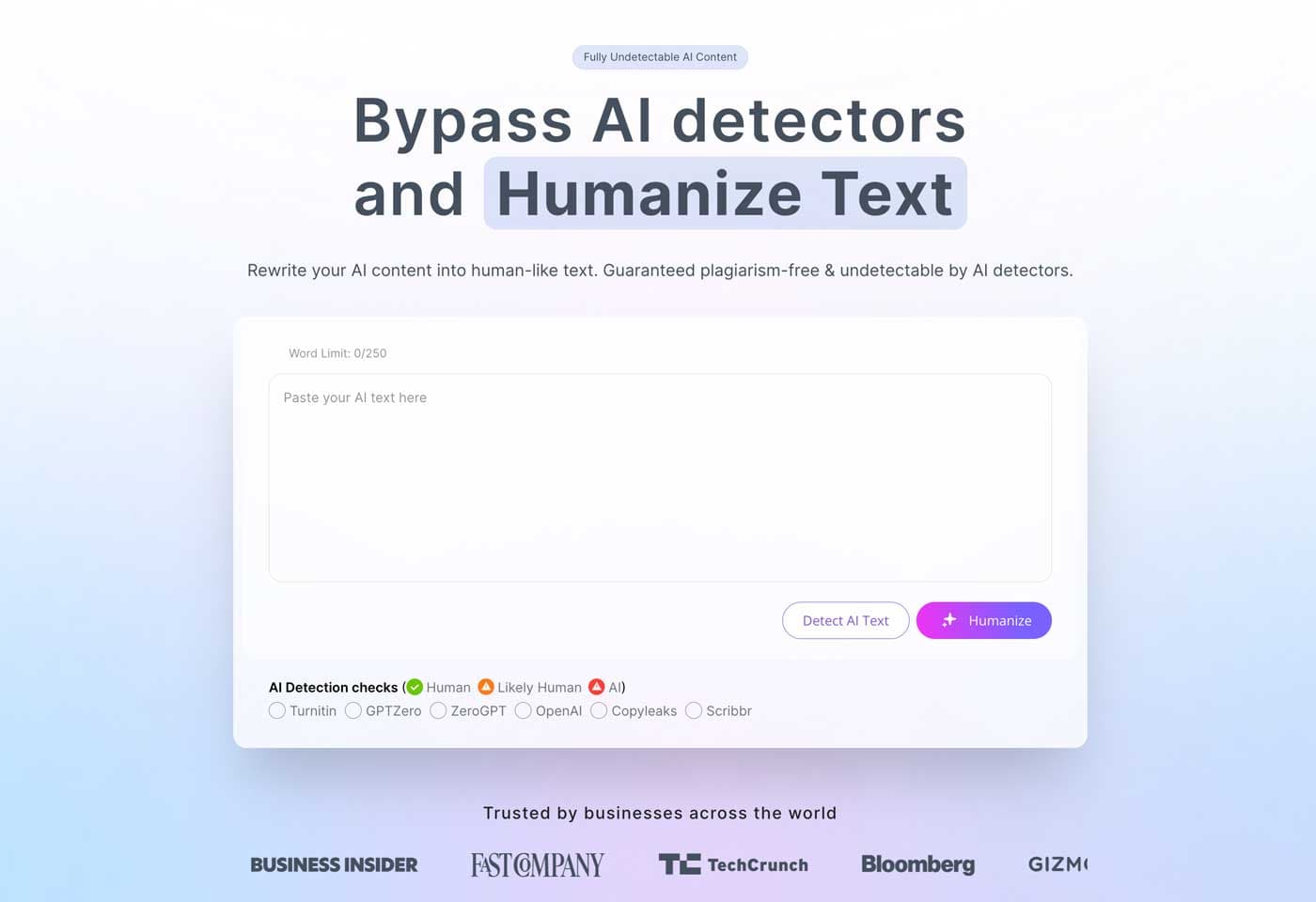
Struggling to make your content feel genuinely human and avoid detection by AI tools like Turnitin or GPTZero As the article "7 Inspiring Writing Prompts to Boost Human-Like Content" highlights, authenticity is lost without personal memories, vivid sensory details, and distinct perspectives. These challenges can leave your writing sounding generic or overly mechanical when using AI-generated text. That is where Semihuman.ai steps in to solve this problem.

Our AI-powered platform specializes in transforming artificial content into naturally human-like writing through features like text restructuring, keyword integration, and detection evasion. Whether you are a creator, marketer, or student, Semihuman.ai helps you add emotional depth, authentic voice, and specificity that resonate with readers and search engines alike. Do not let your content get flagged or miss the emotional connection your audience craves. Start enhancing your writing now by visiting Semihuman.ai and unlock tools designed to humanize your AI-generated content and boost your SEO performance.
You can use personal memories by grounding your writing in authentic experiences. Spend a few minutes jotting down a specific memory related to your topic and include sensory details to enhance its impact. This approach helps establish a connection with your audience by adding genuine emotion to your writing.
Describing unique local events enhances realism and signals authenticity to readers and algorithms. Identify a genuine event relevant to your topic and include specific, verifiable details, such as names and dates. This specificity adds credibility to your content and engages your audience on a personal level.
To create engaging dialogue, craft conversations between characters representing fundamentally different perspectives. Identify two opposing views related to your topic, and write exchanges where they challenge each other authentically. This method introduces complexity to your content and captivates readers by reflecting real-life discussions.
Transform common sayings into engaging narratives by illustrating their meanings through specific, lived experiences. Select a familiar saying and write a brief scene where you demonstrate its truth in a concrete situation. This technique brings depth to your writing and helps your audience feel connected to your insights.
Imagining future technology allows you to explore human consequences alongside technical possibilities. Choose an emerging technology and write a scene set several years in the future that highlights both its benefits and unintended emotional impacts. This speculative approach can make your writing feel thoughtful and relatable.
Sensory details bring scenes to life by engaging multiple senses and enhancing emotional impact. When writing, focus on including specific descriptions that evoke sight, sound, smell, taste, and touch. This immersion creates a richer experience for your readers, helping them connect more deeply with your content.



Start
Humanizing
for Free!
Humanize