
Loading...

Most American readers expect the information they find online to be original, yet studies show that over 60 percent of content published globally is either duplicated or only slightly modified. With originality playing a central role in establishing authority and trust, understanding what makes content truly unique is vital. This guide breaks down how original content stands apart, why it matters for credibility and search rankings, and how American writers and creators can ensure their work rises above the usual digital noise.
| Point | Details |
|---|---|
| Importance of Original Content | Original content is essential for demonstrating creativity, generating novel ideas, and contributing meaningful insights that stand out in digital landscapes. |
| Types of Content Across Platforms | Content creators must adapt their strategies according to unique platform characteristics, ensuring engagement and authentic messaging. |
| SEO Benefits of Originality | Original content improves search engine rankings and user engagement, supporting stronger audience trust and domain authority. |
| Challenges of AI-Generated Content | The rise of AI-generated materials complicates authenticity, necessitating robust strategies to ensure originality and ethical integrity in content creation. |
Original content represents intellectual work that emerges from unique perspectives, research, and creative thinking. Unlike derivative or duplicated material, original content offers fresh insights, innovative approaches, and genuine value to readers. Researchers have developed sophisticated methods for measuring content originality that go beyond simple plagiarism checks.
In academic and professional contexts, originality serves multiple critical functions. It demonstrates a writer's ability to synthesize information, generate novel ideas, and contribute meaningfully to existing knowledge. Content that lacks originality risks being dismissed as redundant or unimportant. Scholarly evaluations often prioritize the uniqueness of academic articles by examining how effectively authors introduce new perspectives or challenge existing paradigms.
Creating truly original content requires more than avoiding direct plagiarism. It involves deep research, critical analysis, and the courage to present ideas from fresh angles. Effective original content typically includes:
Professionals across industries recognize that original content is not just an academic requirement but a fundamental strategy for standing out in crowded digital landscapes. By developing a systematic approach to generating unique material, writers can transform standard information into compelling, distinctive narratives that engage and inspire their audiences.
Modern digital platforms have transformed how creators develop and distribute original content, with each platform presenting unique characteristics and audience engagement patterns. Online social platforms demonstrate significant variations in content formation mechanisms, ranging from connection-based networks like Facebook to content-driven environments like TikTok, which fundamentally reshape how original material is conceived and shared.
Content creators must now adapt their strategies to suit different platform requirements. Climate change communication research illustrates how creators modify their approach when transitioning between platforms like YouTube and TikTok, recognizing that each platform demands a distinct content style and presentation method. These adaptations require understanding platform-specific nuances and audience expectations.
Original content can be categorized across digital platforms into several distinct types:
Video Content
Narrative documentaries
Personal vlogs
Educational tutorials
Behind-the-scenes productions
Written Content
Long-form articles
Personal essays
Research-based reports
Investigative journalism
Interactive Content
Podcasts with unique perspectives
Live streaming with audience engagement
Webinars and expert discussions
Interactive storytelling experiences
Professional content creators recognize that understanding user intent is crucial for developing platform-specific original content. By tailoring their approach to each platform's unique ecosystem, creators can maximize engagement, build authentic connections, and effectively communicate their distinctive message across diverse digital landscapes.
Search engine optimization increasingly depends on understanding sophisticated content detection mechanisms that distinguish between original and artificially generated materials. AI-generated content analysis reveals complex algorithms designed to evaluate the authenticity and originality of digital content across multiple platforms, challenging creators to develop more nuanced and genuine writing strategies.

Search engines now employ advanced detection techniques that go beyond traditional plagiarism checks. These algorithms assess content through multiple dimensions, including linguistic patterns, semantic coherence, and contextual relevance. Alternative metrics for content evaluation have emerged, providing sophisticated ways to measure content impact beyond simple keyword matching or traditional ranking systems.
Key SEO benefits of original content include:
Content creators seeking to optimize their SEO performance must focus on developing strategies that avoid AI detection while maintaining authentic, valuable content. This requires a deep understanding of search algorithm nuances, audience expectations, and the evolving landscape of digital content creation.
Successful SEO strategies now demand a holistic approach that combines technical optimization with genuine, thoughtful content development. By prioritizing originality, depth of research, and unique perspectives, creators can develop content that not only passes sophisticated detection algorithms but also provides substantial value to their target audience.
AI-generated content presents unprecedented challenges for digital creators and platforms, fundamentally transforming how authenticity and originality are defined. Research on AI-generated content reveals complex difficulties in distinguishing between human-created and machine-produced materials, highlighting the increasingly blurred lines between authentic and artificial content production.

The proliferation of duplicate and AI-generated content creates significant ethical and practical challenges. User-generated content studies demonstrate how automated content generation can rapidly undermine the value of original intellectual work, creating environments where unique perspectives become increasingly difficult to identify and appreciate. This trend threatens the fundamental principles of creativity and individual expression.
Key challenges in managing AI-generated and duplicate content include:
Authenticity Detection
Identifying machine-generated text
Verifying original sources
Preventing mass content duplication
Ethical Considerations
Intellectual property rights
Attribution and credit
Maintaining creative integrity
Technical Challenges
Developing robust detection algorithms
Differentiating between inspiration and plagiarism
Creating scalable verification systems
Content creators seeking to navigate these challenges must develop sophisticated strategies for content generation that prioritize originality and authentic expression. By understanding the nuanced landscape of AI-generated content, professionals can develop more resilient and innovative approaches to digital content creation.
Ultimately, the future of content creation will depend on our ability to balance technological efficiency with genuine human creativity. Successful creators will be those who can leverage AI tools while maintaining a distinctive, original voice that transcends algorithmic reproduction.
Content authenticity requires a multifaceted approach that combines technological insight with creative integrity. Produsage principles emphasize the importance of collaborative creation and communal evaluation as fundamental strategies for maintaining genuine, original content across digital platforms.

Born-digital content preservation highlights the critical need for establishing robust authenticity frameworks from the moment of content creation. This approach demands rigorous documentation, transparent sourcing, and consistent verification processes that protect the intellectual essence of digital materials.
Key practices for ensuring content authenticity include:
Research and Validation
Conduct thorough independent research
Cross-reference multiple credible sources
Develop unique analytical perspectives
Use primary source materials
Personal Expertise Integration
Share personal experiences and insights
Incorporate professional knowledge
Demonstrate subject matter understanding
Provide context beyond generic information
Ethical Documentation
Properly attribute sources
Use transparent citation methods
Respect intellectual property rights
Maintain academic and professional integrity
Content creators seeking to enhance authenticity can increase text originality through deliberate and strategic approaches. Successful authenticity requires a commitment to developing unique perspectives that transcend algorithmic reproduction and reflect genuine human understanding.
Ultimately, authentic content emerges from a deep commitment to intellectual honesty, continuous learning, and the courage to present ideas that challenge existing narratives. By embracing these principles, creators can develop content that resonates with audiences through its genuine, unfiltered perspective.
The article emphasizes the growing challenges content creators face with ensuring authenticity, avoiding AI detection, and rising above duplicate or AI-generated texts. You understand the pressure to produce genuine, human-like content that improves SEO rankings and engages real audiences while navigating ethical and technical obstacles. This can feel overwhelming when striving to maintain unique perspectives and creative integrity across platforms.
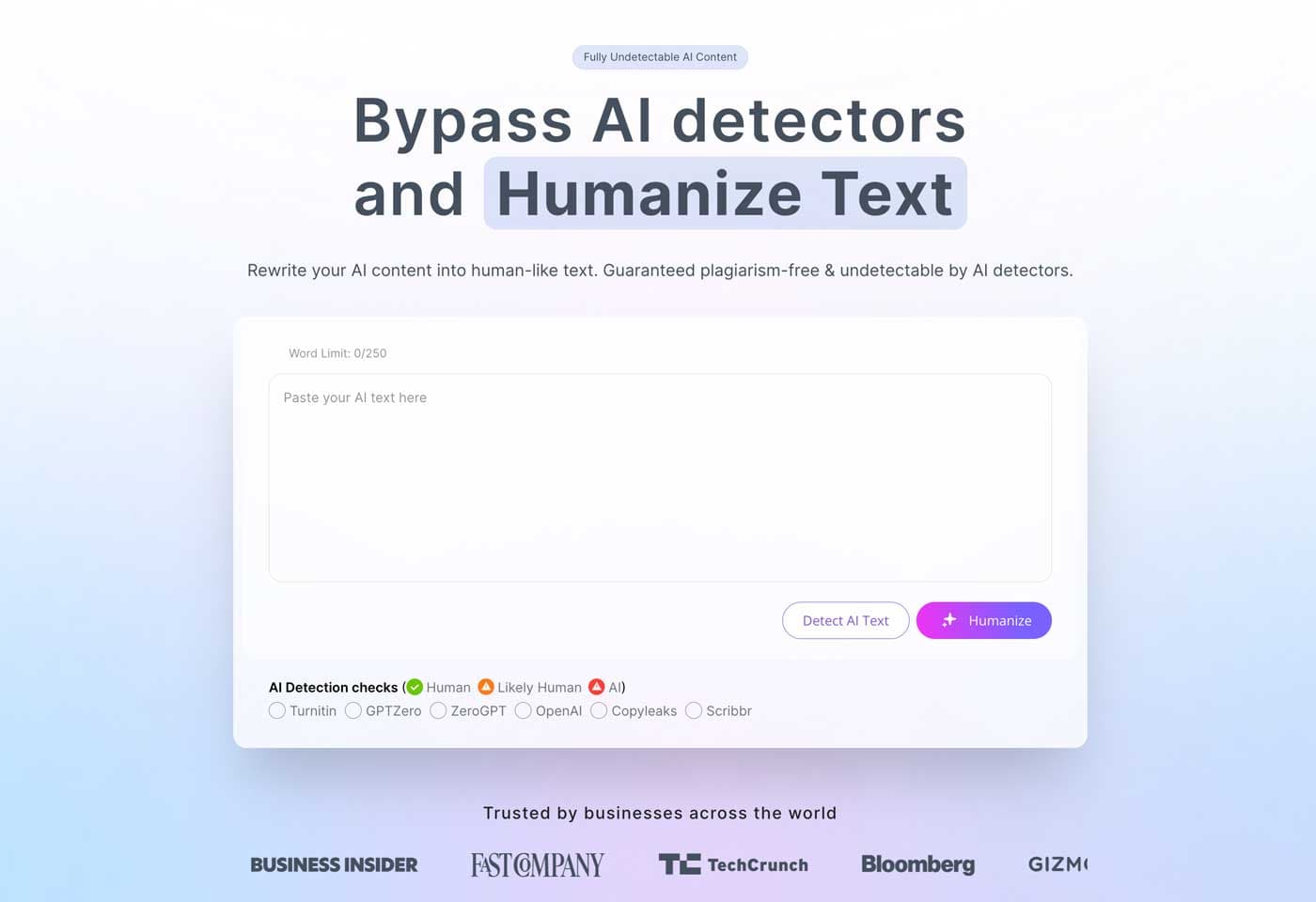
Semihuman.ai specializes in transforming AI-generated text into naturally human-sounding content that helps you overcome these issues. With features designed to restructure text, integrate keywords smoothly, and evade advanced AI content detectors like Turnitin and GPTZero, it ensures your work stands out as truly original and credible. Whether you are a student, marketer, or professional writer, this platform empowers you to reclaim your voice online.
Start enhancing your content today by visiting Semihuman.ai and discover how our AI-powered solutions can help you produce authentic, SEO-friendly material that connects with audiences and stands the test of evolving detection algorithms.
Ready to turn your content into something genuinely original and impactful?
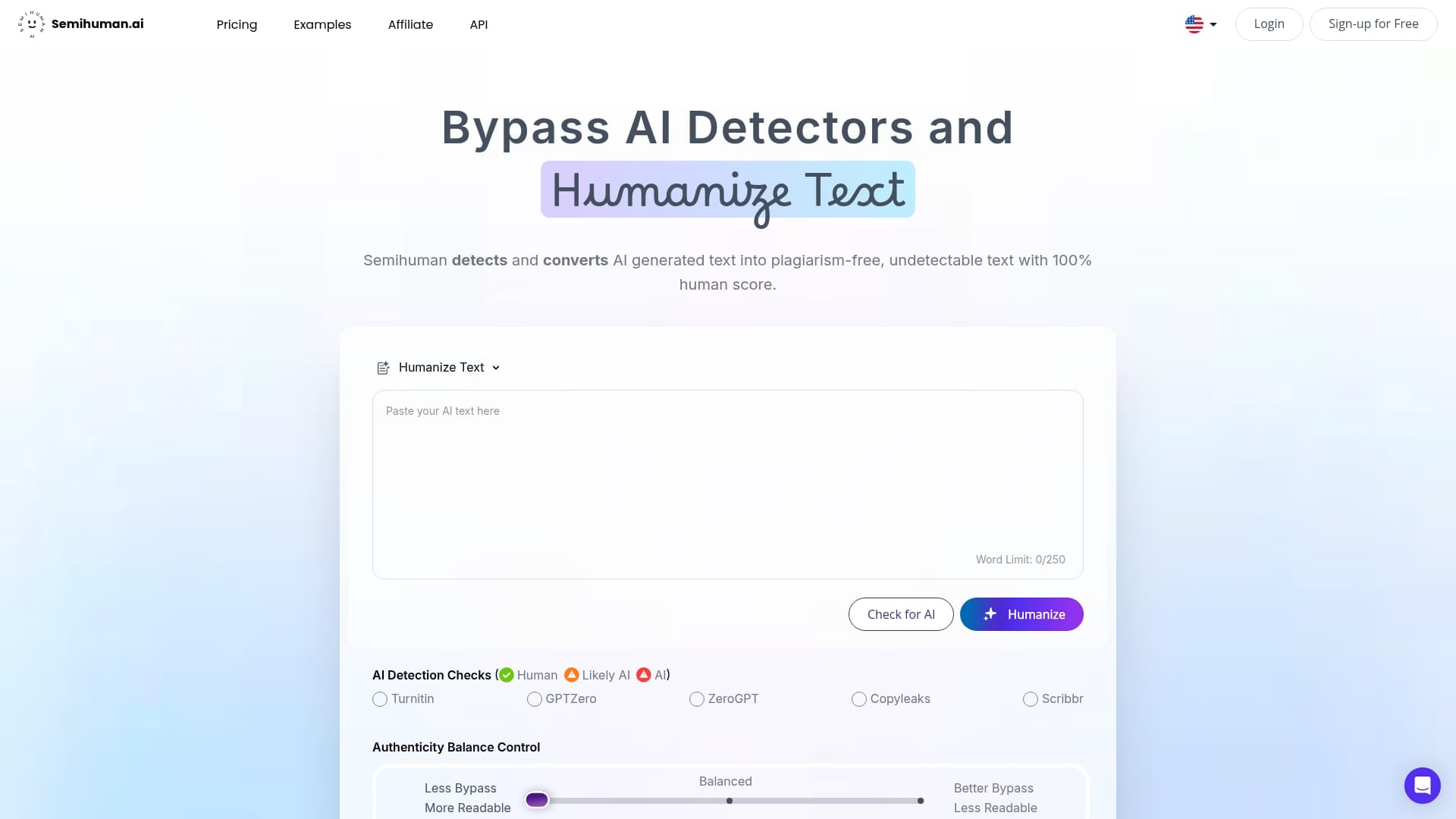
Experience the future of authentic writing now at Semihuman.ai. Don’t let AI detection challenges hold back your creativity or SEO potential. Transform your approach and ensure your content truly reflects the human touch.
Original content is intellectual work that offers unique insights, innovative approaches, and genuine value to readers. Its importance lies in its ability to demonstrate a writer's creativity and ability to contribute new perspectives in academic and professional contexts.
Creating original content involves deep research, critical analysis, and presenting ideas from fresh angles. Effective original content should include unique insights, innovative interpretations of existing research, and an authentic voice.
Original content can include various types, such as video documentaries, personal blogs, educational tutorials, long-form articles, and interactive podcasts. Each platform requires a tailored approach based on its unique audience and format.
Producing original content can lead to higher search engine rankings, increased user engagement, more substantial backlink opportunities, enhanced domain authority, and greater audience trust, making it essential for effective SEO strategies.


Start
Humanizing
for Free!
Humanize