
Loading...

AI-generated text is everywhere now, but most of it reads like a robot wrote it. Your audience can tell when content lacks personality, and they'll bounce before finishing the first paragraph. The challenge isn't just creating content anymore, it's making that content feel genuinely human. When you humanize AI text, you build trust with readers and signal to search engines that your content deserves attention. This article shares eight practical tips that transform robotic AI output into engaging, authentic content that resonates with your audience and performs better in search results.
| Point | Details |
|---|---|
| Humanization criteria | Establish clear standards that prioritize natural tone emotional resonance varied sentence structure and reader benefit over strict grammar rules. |
| Conversations over perfection | Balance authenticity and SEO by creating content that feels conversational while guiding readers and signaling value to search engines. |
| Audience speaking style | Match the audience conversation style by using approachable language, contractions, and varied sentence lengths. |
| Concrete examples matter | Weave in specific stories and data points to make ideas memorable and credible. |
Effective humanized AI text must balance authenticity, engagement, and SEO optimization. Before you start editing AI output, you need clear criteria for what makes content feel genuinely human. Simply fixing grammar mistakes or adding a few contractions won't cut it. Your content needs to meet several key standards that work together to create an authentic reading experience.
First, natural tone matters more than perfect grammar. Real people speak in fragments sometimes. They use contractions. They start sentences with "and" or "but" when it feels right. Your AI-generated content should mirror these patterns instead of sounding like a textbook. Second, emotional resonance separates memorable content from forgettable filler. Readers connect with content that acknowledges their frustrations, celebrates their wins, or validates their experiences.
Third, varied sentence structure creates the rhythm humans naturally use when speaking or writing. AI often defaults to medium-length sentences with similar patterns. Breaking this monotony requires intentional editing. Fourth, reader focus keeps content centered on what your audience cares about, not what the AI thinks sounds impressive. Every paragraph should answer an unspoken reader question or solve a specific problem.
The criteria for humanized content include:
Maintaining consistent tone throughout your content builds trust. If your introduction sounds casual but your body sections turn formal, readers notice the disconnect. SEO considerations can't be ignored either. Search engines reward content that keeps readers engaged, which means humanization and optimization work hand in hand rather than competing priorities.

Once you understand the criteria, you need specific techniques to transform AI output into content that connects. These eight tips address the most common issues that make AI text feel robotic and give you actionable ways to fix them.
Match your audience's conversational style. Listen to how your readers actually talk. Do they use industry jargon or prefer plain language? Are they formal professionals or casual learners? Using varied sentence length and adding personal anecdotes increases relatability and reader engagement. Your content should sound like you're having a coffee chat with your ideal reader, not delivering a corporate presentation.
Weave in specific examples and stories. Generic advice feels hollow. Instead of saying "businesses benefit from humanized content," share how a specific marketing team increased their email open rates by 34% after switching from pure AI output to humanized copy. Concrete details make abstract concepts tangible and memorable.
Create rhythm with sentence variety. Read your content aloud. Does it sound monotonous? Mix short, punchy statements with longer explanatory sentences. Follow a complex idea with a simple one. This natural ebb and flow keeps readers engaged instead of lulling them into skimming mode.
Ask questions that spark thinking. Questions transform passive reading into active engagement. When you ask "Have you noticed how AI often repeats the same phrases?" you're inviting readers to reflect on their own experiences. This creates a dialogue feel even in one-way content.
Cut jargon and clichés ruthlessly. AI loves phrases like "in today's digital landscape" and "leverage synergies." Real humans roll their eyes at these. Use specific, concrete language instead. Replace "utilize" with "use." Swap "facilitate" for "help." Your content becomes instantly more approachable.
Add sensory details when relevant. Instead of "the software is user-friendly," describe how "the interface feels intuitive, with drag-and-drop simplicity that eliminates the learning curve." Sensory language helps readers visualize and connect emotionally with your message.
Inject personality through word choice. Your brand voice should shine through. Are you playful or serious? Edgy or conservative? Let your personality guide word selection and tone. A fintech startup might say "crunch numbers," while an enterprise solution would "analyze data."
Edit for natural transitions. AI often jumps between topics abruptly. Add bridging sentences that show how ideas connect. "Now that you understand the criteria" or "This brings us to" helps readers follow your logic smoothly.
Pro Tip: Record yourself explaining your topic to a friend, then transcribe it. You'll discover your natural phrasing patterns, which you can use to guide your editing of AI-generated content for a more authentic voice.
Different humanizing techniques vary in complexity, effort, and impact on SEO and engagement. Understanding the trade-offs helps you choose the right approach for each project. Some methods deliver quick wins but limited depth, while others require more investment but produce superior results.
Manual editing gives you complete control over tone and voice. You read through AI output line by line, rewriting awkward phrases and adding personality. This approach works well for high-stakes content like sales pages or thought leadership articles. The downside? It's time-intensive and requires strong writing skills. You might spend 30-45 minutes humanizing a 1,000-word article.
Specialized humanizer tools like those at semihuman.ai automate much of the process. These platforms analyze your AI text and restructure sentences, vary vocabulary, and adjust tone to sound more natural. They're faster than manual editing and maintain consistency across large content volumes. The trade-off is less granular control, though quality tools let you set parameters for tone and style.
Hybrid approaches combine AI humanization tools with targeted manual editing. You run content through a humanizer first, then review and refine specific sections that need extra attention. This balances efficiency with quality, making it ideal for content marketers managing multiple projects.
| Technique | Time Investment | Quality Level | Best For | SEO Impact |
|---|---|---|---|---|
| Manual editing | High (30-45 min per 1,000 words) | Highest | Premium content, thought leadership | Excellent if done well |
| Humanizer tools | Low (5-10 min per 1,000 words) | Good to very good | Blog posts, social content, emails | Strong with quality tools |
| Hybrid approach | Medium (15-20 min per 1,000 words) | Very good | Most marketing content | Excellent balance |
| Prompt engineering | Medium (iterative process) | Variable | Ongoing content production | Depends on prompt quality |
Key differences to consider:
Your choice depends on content volume, quality standards, and available resources. High-value cornerstone content might justify manual editing, while regular blog posts benefit from tool-assisted humanization to avoid bland AI phrasing.
Selecting your humanizing strategy requires honest assessment of your situation. Content format plays a huge role in this decision. A 3,000-word pillar article demands different treatment than a 500-word product description. Blog posts targeting competitive keywords need stronger humanization than internal documentation.
Audience expectations shape your approach too. B2B enterprise buyers expect polished, professional content with industry-specific insights. Direct-to-consumer audiences often prefer casual, relatable writing. Tailoring humanizing methods to your audience and content goals yields better results than one-size-fits-all solutions. Match your humanization intensity to what your readers expect and value.
Budget and time constraints force practical decisions. If you're producing 20 blog posts monthly, manual editing becomes unsustainable. Humanizer tools or hybrid approaches make more sense. For quarterly whitepapers or annual reports, investing in thorough manual refinement pays off through stronger impact and credibility.
Consider these factors when choosing your approach:
Pro Tip: Start with A/B testing different humanizing approaches on similar content types. Track engagement metrics like time on page, scroll depth, and conversion rates to identify which method delivers the best results for your specific audience and goals.
Iterative refinement beats perfectionism. Publish humanized content, monitor performance, and adjust your approach based on real data. Some audiences respond better to highly polished writing, while others prefer rough-around-the-edges authenticity. Your analytics reveal these preferences faster than guesswork.
Ongoing monitoring matters because audience expectations evolve. What worked six months ago might feel stale now. Review your top-performing content quarterly to identify patterns in tone, structure, and style. Use these insights to maintain tone in AI writing that stays fresh and relevant.
Transforming AI text into authentic content doesn't have to drain your time or budget. Specialized tools streamline the humanization process while maintaining the quality your audience expects. The SEO text generator at semihuman.ai creates optimized content that reads naturally from the start, reducing your editing workload significantly. Instead of spending hours rewriting robotic AI output, you get human-like text that already incorporates SEO best practices.
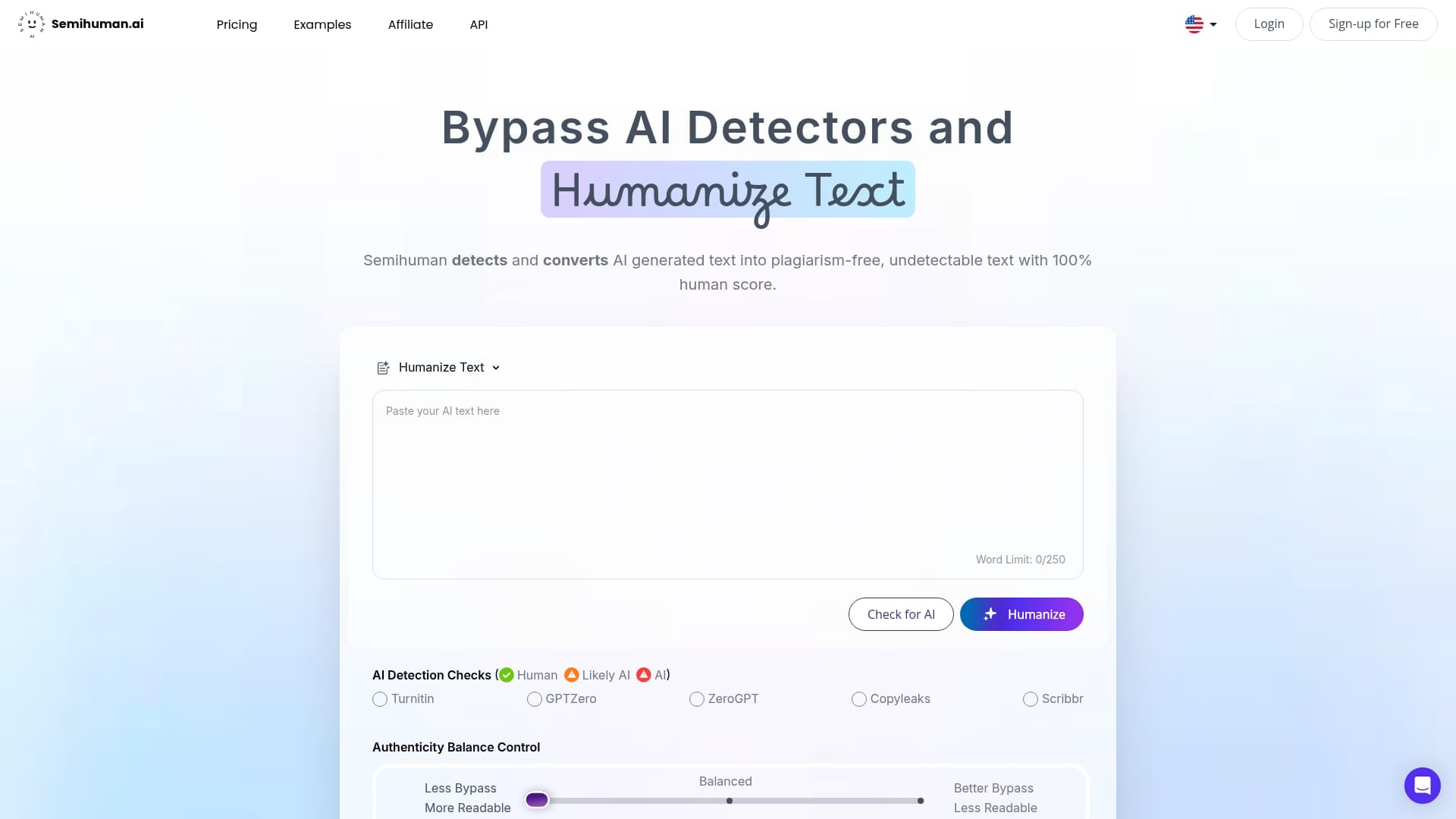
For content that needs refinement, AI proof writing tools help you polish tone and authenticity efficiently. These solutions analyze your text for common AI patterns and suggest improvements that make content feel genuinely human-authored. Whether you're crafting blog posts, email campaigns, or social media content, the right tools amplify your efforts without sacrificing your unique voice. Explore how SemiHuman AI can elevate your content marketing while saving valuable time for strategy and creativity.
Start by adding contractions, varying sentence length, and replacing generic phrases with specific examples. These changes take minutes but immediately reduce the robotic feel. Reading content aloud helps you catch awkward phrasing that sounds unnatural.
Humanized content keeps readers engaged longer, reducing bounce rates and increasing time on page, both positive ranking signals. Search engines prioritize content that satisfies user intent, which authentic, readable text does better than robotic AI output. Natural keyword integration also performs better than forced optimization.
Current AI can approximate human tone but often misses subtle emotional nuances and cultural context. The best results come from using AI as a starting point, then refining with human judgment. Tools designed specifically for humanization get closer than general-purpose AI writers.
Style guides paired with humanization platforms ensure consistent voice across content. Tools like those at semihuman.ai let you set tone parameters that apply across all generated text. Regular audits of published content help you identify and correct drift from your brand voice.
It depends on your quality standards and the AI tool you're using. Basic AI writers require substantial editing, while specialized humanization tools reduce manual work significantly. Most marketers find a hybrid approach, using how to humanize AI text tools plus targeted editing, strikes the best balance between efficiency and quality.
Track engagement metrics like average session duration, pages per session, and conversion rates. Compare humanized content performance against pure AI output. Reader comments and feedback also reveal whether your content resonates authentically or still feels artificial.

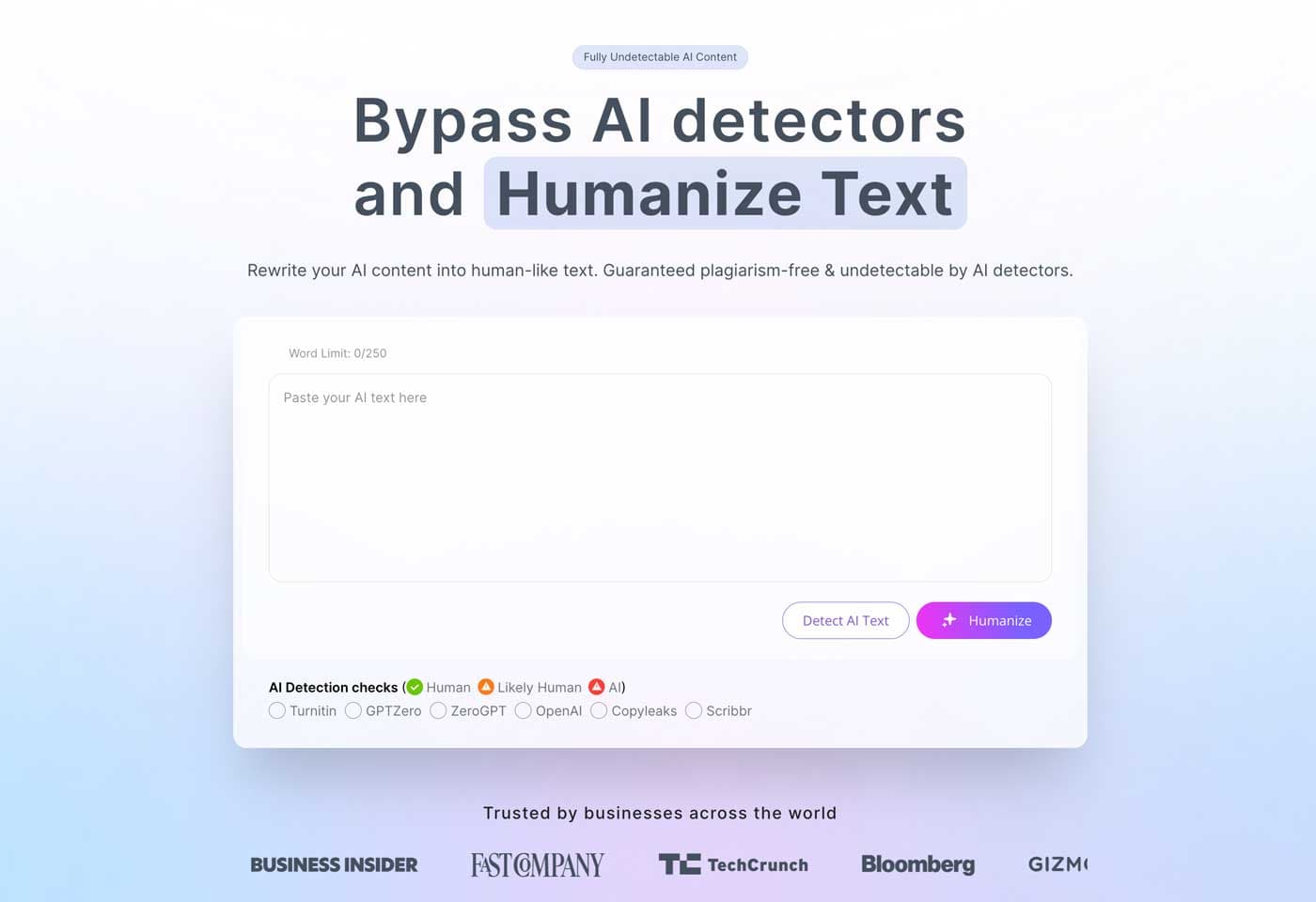

Start
Humanizing
for Free!
Humanize