
Loading...

Did you know that stories can increase audience engagement by up to 300 percent? Readers crave connection and authenticity in every message they consume. Real stories, emotional language, well chosen examples, and just the right tone help your writing feel human and memorable. If you want your words to truly resonate, understanding these proven techniques can transform dull text into content that people care about.
| Takeaway | Explanation |
|---|---|
| 1. Personal stories enhance engagement. | Authentic narratives foster emotional connections, making content relatable and trustworthy. |
| 2. Adapt your tone to audience preferences. | Tailoring your language style improves clarity and connection, making communication more effective. |
| 3. Emotions deepen audience connection. | Emotional messaging transforms passive readers into engaged participants who relate to your content. |
| 4. Smooth transitions improve readability. | Seamless connections between ideas help maintain reader interest and comprehension throughout the narrative. |
| 5. Use anecdotes to clarify concepts. | Real-world references turn abstract theories into relatable experiences, enhancing understanding and retention. |
Personal stories transform ordinary content into compelling narratives that connect deeply with your audience. By weaving authentic experiences into your writing, you create an immediate emotional bridge that makes your message unforgettable.
According to research from arxiv.org, incorporating personal narratives significantly enhances audience engagement by triggering empathy and establishing credibility. When you share genuine experiences, readers perceive your content as more trustworthy and relatable.
Why Personal Stories Work
Human beings are hardwired to connect through storytelling. When you move beyond generic information and share a specific moment from your life, you invite readers into your world. This approach breaks down barriers and transforms passive reading into an interactive experience.
How to Integrate Personal Stories
To effectively humanize your content through personal narratives, consider these strategies:
Research indicates that integrating personal stories into dialogues makes communication more engaging by providing rich, contextual experiences. Your unique perspective transforms information from abstract concepts into lived experiences that resonate on a human level.
Remember: Your personal story is your most powerful content creation tool. No algorithm can replicate the genuine emotional landscape of your individual journey.
Effective communication is not just about what you say but how you say it. Adapting your tone to match your target audience transforms good content into exceptional content that resonates deeply and creates meaningful connections.
According to research from Adaglobal, maintaining consistency in tone and language helps audiences recognize and connect with your brand across different channels. This alignment is crucial for building trust and engagement.
Understanding Audience Tone
Every audience has a unique communication preference. A technical manual requires a different tone compared to a social media post. A startup pitch differs from an academic research paper. Your ability to read and adapt to these nuanced expectations determines your communication success.
Practical Tone Adaptation Strategies
To effectively adapt your tone, consider these key approaches:
As highlighted by communication research from Fiveable, tailoring your message to specific audience expectations is essential for establishing a genuine connection.
Your tone is a powerful tool. When wielded with precision and empathy, it can transform ordinary content into an extraordinary conversation that speaks directly to your audience's heart and mind.
Emotions are the secret ingredient that transform generic content into memorable experiences. Understanding how to weave emotional depth into your messaging can turn passive readers into engaged participants who genuinely connect with your content.
According to research from arxiv.org, empathy emerges as a critical element in creating prosocial communications. By sharing personal experiences and emotional narratives, you activate a deeper level of audience engagement that transcends traditional information delivery.
The Science of Emotional Messaging
Emotional content triggers neurological responses that make information more memorable. When you tap into feelings like hope, curiosity, or shared struggle, you create a powerful connection that rational arguments alone cannot achieve. Readers do not just consume information they experience it.
Practical Emotional Messaging Techniques
To effectively incorporate emotions into your content, consider these strategic approaches:
How Emotions Transform Communication
Research from arxiv.org reveals that dialogues enriched with background stories generate more diverse and engaging responses. Your emotional narrative becomes a bridge connecting your message to your audience's lived experiences.
Remember: Emotions are not a weakness in communication. They are the most powerful tool you have for creating genuine human connections that resonate far beyond words.
Transitioning smoothly between ideas is an art form that separates good writing from exceptional communication. The way you connect thoughts determines whether your audience follows your narrative or gets lost in a maze of disconnected concepts.
According to research on rhetorical stance, strategic language choices play a critical role in shaping messages. Effective transitions are more than grammatical connectors they are the invisible threads that weave your ideas into a coherent narrative.
The Psychology of Smooth Transitions
Readers unconsciously seek logical progression. When your ideas flow naturally, you create a reading experience that feels effortless and engaging. Think of transitions as the verbal equivalent of a smooth highway fewer mental speed bumps mean easier comprehension.
When crafting transitions, consider these strategic approaches:
For writers looking to master this skill, understanding how to write a topic sentence for body paragraphs can provide additional insights into creating seamless narrative flow.
Research on transcreation highlights the importance of maintaining intent and context while adapting messages. Similarly, your transitions should preserve the core meaning while guiding readers smoothly from one concept to the next.
Remember: Great writing is not about individual sentences but the elegant dance between them. Master the transition and you master communication.
Real world references transform abstract concepts into tangible experiences that readers can instantly understand and connect with. Anecdotes are the secret weapon that turn ordinary information into memorable storytelling.
According to research on personal narratives, first person stories provide nontraditional content that significantly increases authenticity and relatability. These personal touchpoints create an emotional bridge between information and lived experience.
Why Real World References Matter
When you share a specific moment from your life or reference a concrete example, you invite readers into a more intimate understanding. Abstract theories become grounded in reality. Complex ideas transform into comprehensible insights that resonate on a personal level.
Strategies for Incorporating Anecdotes
To effectively integrate real world references, consider these approaches:
Research on autoethnography highlights how personal experiences can connect to broader cultural and social meanings. Your individual story becomes a window into universal truths.
Remember: Data tells. Stories sell. Your personal narrative is the most powerful communication tool you possess.
Sentence rhythm is the secret heartbeat of compelling writing. Just as musicians use varied tempos to create engaging music, writers can craft captivating prose by strategically alternating sentence lengths.
According to research on rhetorical stance, strategic language decisions including sentence structure play a crucial role in maintaining reader engagement. Predictable writing becomes monotonous. Varied sentences create a dynamic reading experience that keeps audiences interested.
The Science of Sentence Variation
Our brains crave patterns with surprise. Long sentences allow for complex ideas and deep exploration. Short sentences create impact. Punch. Rhythm. By mixing sentence lengths, you create a musical quality that draws readers deeper into your content.
Practical Sentence Variation Techniques
To master organic writing flow, consider these approaches:
Research on transcreation emphasizes adapting messages while maintaining core intent and style. Similarly, sentence variation allows you to communicate more dynamically while preserving your authentic voice.
Remember: Great writing breathes. It moves. It surprises. Your sentences are not just words. They are living, dancing expressions of thought.
Slang transforms rigid communication into a living breathing conversation that feels authentic and immediate. When used strategically, colloquial language becomes a powerful bridge connecting you directly to your audience.
According to research on audience engagement, adding a personal touch through local language dramatically increases reader connection. Using familiar phrases signals that you are not just speaking at your audience but speaking with them.
The Psychology of Conversational Language
Colloquial phrases work like verbal shortcuts. They bypass formal communication barriers and create an instant sense of familiarity. A well placed slang term can transform academic writing from distant to dynamite shifting the entire emotional landscape of your content.
Strategic Slang Integration Techniques
To effectively incorporate colloquial language, consider these approaches:
Research from Medium highlights how adapting tone can profoundly impact message reception especially when addressing younger audiences.
Remember: Slang is not about sounding cool. It is about creating genuine human connection. Use it wisely and watch your content come alive.
Below is a comprehensive table summarizing the key strategies and benefits of effective communication techniques discussed in the article.
| Technique | Implementation Details | Benefits/Outcomes |
|---|---|---|
| Using Personal Stories | Share specific, authentic experiences that connect to the main message. | Enhances empathy and trust, making content more engaging. |
| Adapting Tone | Research audience preferences and match language complexity. | Builds trust and engagement by resonating with audience expectations. |
| Emotional Messaging | Validate and acknowledge audience emotions, using vulnerable language. | Deepens audience connection by making experiences memorable. |
| Natural Transitions | Use thematic bridges and context signposting to connect ideas smoothly. | Creates a coherent narrative that facilitates comprehension. |
| Real-World References | Include specific anecdotes and connect them to broader lessons. | Increases relatability and authenticity of the content. |
| Varying Sentence Length | Alternate between long and short sentences for rhythm and impact. | Enhances reader engagement and keeps content dynamic. |
| Integrating Slang | Use relevant colloquial phrases sparingly, fitting the context. | Increases connection by making communication feel authentic and immediate. |
The article highlights key challenges creators face such as adding authentic personal stories, adapting tone to their target audience, and weaving genuine emotions into their writing. These pain points reflect the struggle to make AI-generated content truly human, relatable, and engaging while avoiding robotic or overly generic language. If you want to bridge that emotional gap, craft smooth natural transitions, and use language that truly connects with your readers, you need a smart solution that goes beyond basic text.
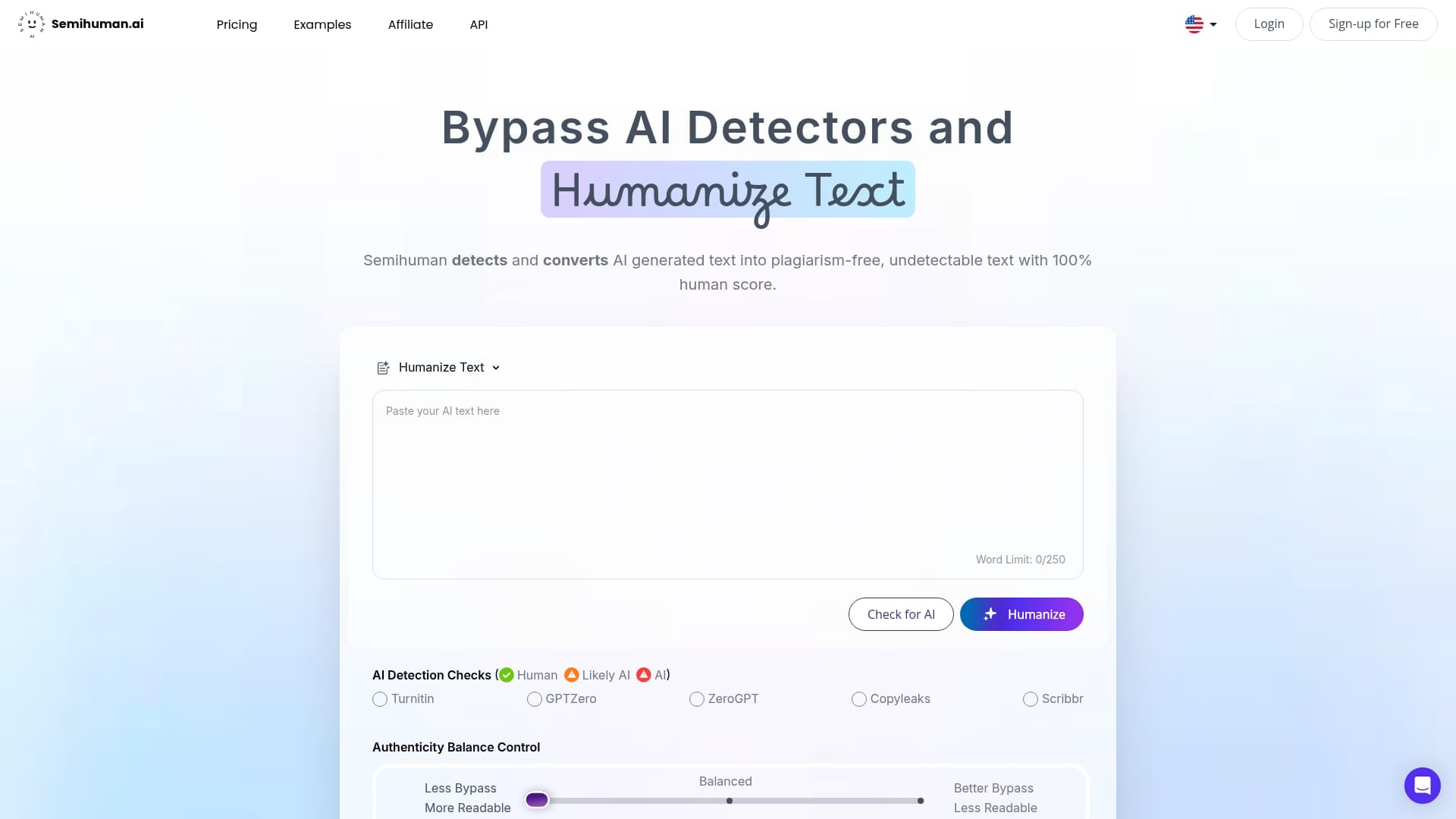
Unlock your content's full potential by using Semihuman.ai to transform AI-written text into naturally flowing, authentic prose that passes AI detection tools like Turnitin or GPTZero. Whether you are a creator, marketer, or student looking to improve SEO rankings or maintain a human touch, our platform offers advanced text restructuring, keyword integration, and authenticity enhancement. Don’t let your valuable stories get lost in automated writing patterns. Take the step now to elevate your content with Semihuman.ai and bring genuine voice and emotion back to every word.
Start transforming your writing experience today by visiting our landing page.
Using personal stories is an effective way to add authenticity to your content. Start by sharing a specific experience that directly connects to your main message, inviting readers into your narrative and deepening their engagement.
To effectively connect with your target audience, research their demographics and communication preferences. Adapt your tone by mirroring the language and complexity that aligns with their expertise, which can enhance comprehension and relatability.
Incorporate emotions by validating your audience's feelings and sharing vulnerable moments that reflect genuine human experiences. Aim to evoke empathy by linking your stories to universally relatable themes, making your content more memorable.
To achieve smooth transitions, use thematic bridges that connect the main ideas in your piece. Clearly signal when you're shifting thoughts and ensure that each new idea builds upon the previous one for a cohesive narrative flow.
Choose real-world references that are highly relevant to your main message to ground abstract concepts in tangible experiences. Focus on specific anecdotes or examples that clearly illustrate the broader lesson you want to convey, enriching your content's impact.
Varying sentence lengths can create a dynamic flow in your writing, keeping readers engaged. To implement this, intersperse longer, more complex sentences with shorter, impactful ones to produce a rhythm that draws readers further into your content.



Start
Humanizing
for Free!
Humanize