
Loading...

Most advice about ethical academic content gets it wrong by ignoring the real risks and pressures faced by students worldwide. With more tools powered by American and European technology, even experienced academic writers can struggle to keep work original. Clear rules exist for ethical writing, yet nearly 40 percent of students still admit to accidental plagiarism. Understanding these critical principles helps you harness AI ethically while protecting your own intellectual reputation and academic success.
| Point | Details |
|---|---|
| Ethical Content Creation | Prioritize transparency, accuracy, and respect for intellectual property in all academic work. |
| Diverse Academic Outputs | Recognize various forms of academic content, such as journal articles, literature reviews, and datasets, ensuring proper authorship attribution. |
| AI Risks and Best Practices | Be aware of the challenges posed by AI in content creation, including plagiarism and authorship integrity, and maintain rigorous oversight. |
| Legal Compliance | Understand and follow copyright laws, attribution practices, and institutional guidelines to uphold academic integrity. |
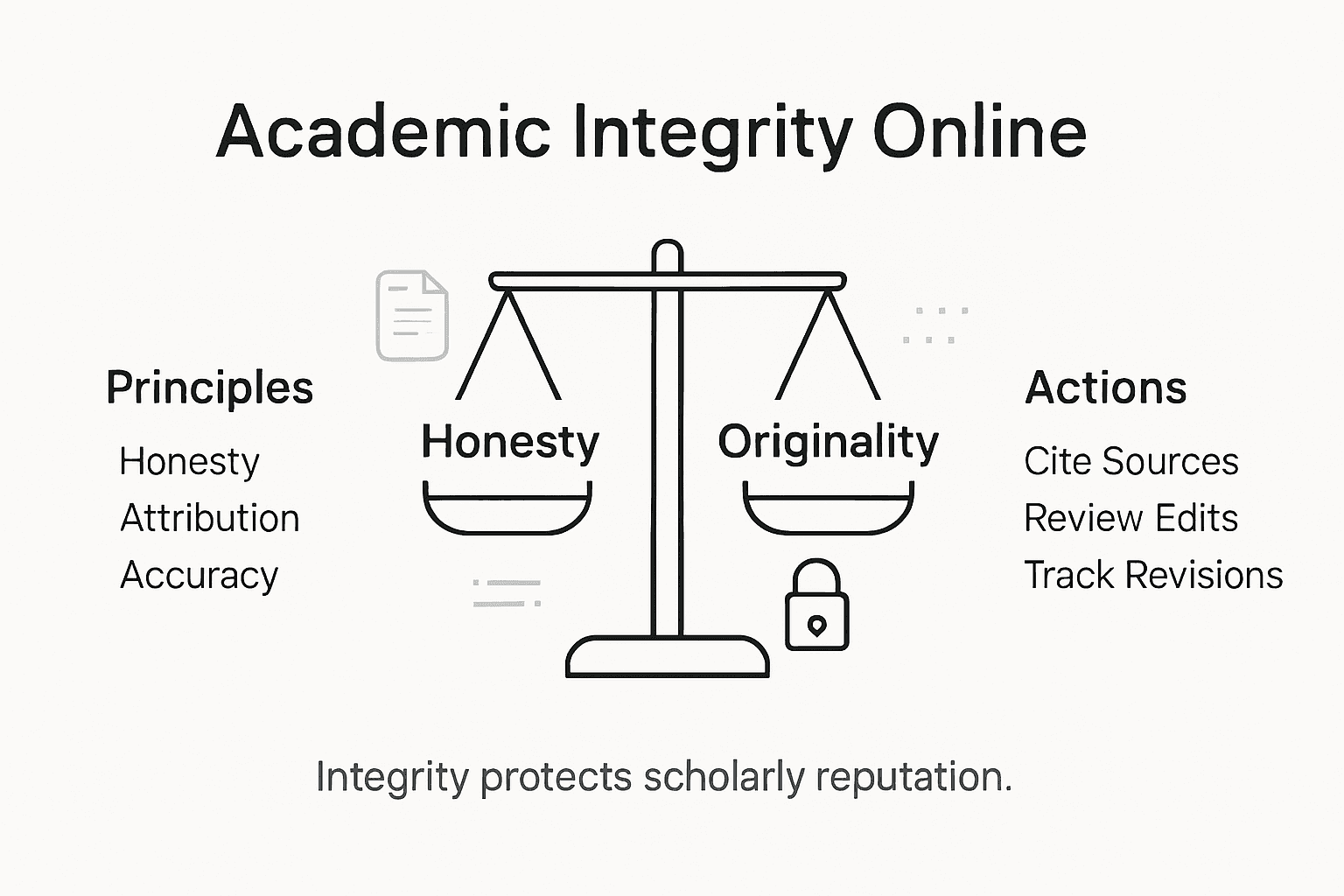
Ethical academic content creation represents a foundational commitment to intellectual integrity and scholarly excellence. At its core, this practice involves creating original work that transparently acknowledges sources, respects intellectual property, and maintains rigorous academic standards. Academic integrity demands that researchers and students produce work characterized by honesty, originality, and clear attribution.
The principles of ethical content creation extend beyond simple citation. They encompass a comprehensive approach to scholarly communication that prioritizes transparency, accuracy, and intellectual respect. This means carefully documenting research methods, accurately representing data, and providing clear references for all borrowed ideas or information. Intellectual honesty requires writers to distinguish between their original contributions and the work of others, ensuring that each source is properly credited and contextually understood.
Key components of ethical academic content creation include:
Academic writing standards emphasize that ethical content creation is not just a technical requirement but a fundamental aspect of scholarly discourse. It represents a commitment to knowledge advancement through honest, transparent, and respectful intellectual exchange.
Pro tip: Always maintain a detailed research log that tracks your sources, quotes, and ideas to simplify the citation process and ensure comprehensive attribution.
Academic content encompasses a diverse range of scholarly outputs that communicate research findings, theoretical insights, and intellectual contributions. Academic authorship represents a complex landscape of intellectual work, involving multiple types of scholarly publications and collaborative research endeavors. From empirical studies to theoretical analyses, these content types serve critical functions in advancing academic knowledge and facilitating intellectual discourse.
The spectrum of academic content includes several key categories:
Academic writing standards emphasize the importance of clear authorship attribution, particularly in collaborative research environments. Authorship is not merely about listing names, but represents a significant intellectual contribution that involves conceptualization, data collection, analysis, and manuscript preparation. Different disciplines may have varying criteria for determining author order and contribution significance.

Modern academic publishing increasingly recognizes the complexity of collaborative research, with many projects involving multiple researchers who contribute in diverse ways. This complexity demands transparent communication about each author's specific role and intellectual contribution to the work.
Pro tip: Maintain a detailed contribution log for collaborative projects to clearly document each author's specific intellectual input and facilitate transparent authorship discussions.
Transparency and originality form the cornerstone of ethical academic writing, establishing a fundamental framework for intellectual integrity. Academic research standards mandate comprehensive disclosure of sources, precise citation practices, and a commitment to generating genuine, innovative scholarly work. These principles protect the academic ecosystem by ensuring that intellectual contributions are accurately represented and appropriately credited.
The practical implementation of transparency involves several critical strategies:
Academic integrity guidelines highlight the importance of understanding cultural nuances in citation and academic writing. Originality does not mean creating content in isolation, but rather synthesizing existing knowledge in innovative ways while maintaining rigorous standards of intellectual attribution. Researchers must navigate complex scholarly landscapes, balancing creative thinking with respect for established academic conventions.
The digital age has amplified the challenges of maintaining transparency and originality. With vast information resources available, academic writers must be increasingly vigilant about properly acknowledging sources, avoiding unintentional plagiarism, and generating truly novel scholarly contributions. This requires ongoing education, critical thinking, and a deep commitment to ethical academic practices.
Pro tip: Develop a systematic approach to tracking and citing sources during your research process, using reference management tools to maintain comprehensive and accurate documentation.
Artificial intelligence has dramatically transformed academic content creation, introducing complex ethical challenges that demand careful navigation. Academic research on generative AI highlights significant risks surrounding intellectual property, authorship integrity, and the potential for unintentional academic misconduct. Understanding these challenges is crucial for researchers and students seeking to leverage AI responsibly while maintaining scholarly standards.
Key risks associated with AI-generated text include:
Institutional guidelines for AI use recommend several best practices to mitigate these risks. Researchers must prioritize transparency by explicitly acknowledging AI assistance, critically evaluating generated content, and maintaining personal intellectual oversight. This approach ensures that AI remains a supportive tool rather than a replacement for human scholarly judgment.
The academic community continues to develop nuanced frameworks for responsible AI integration. This requires ongoing dialogue, institutional policy updates, and individual commitment to maintaining the highest standards of intellectual integrity. Students and researchers must view AI as a collaborative tool that enhances rather than replaces critical thinking and original scholarship.
Pro tip: Always maintain a detailed revision log when using AI-generated content, documenting every modification and ensuring your unique intellectual contribution remains clear.
Here's a comparison of ethical practices for traditional and AI-assisted academic writing:
| Aspect | Traditional Writing | AI-Assisted Writing |
|---|---|---|
| Source Attribution | Manual citation, reference lists | Disclose AI use, manual verification |
| Plagiarism Risk | Lower risk with careful practices | Higher due to AI's data training |
| Intellectual Oversight | Full creative control | Requires human review of AI output |
| Authorship Transparency | Clear individual or team authorship | Must specify human vs. AI contribution |
| Detection Challenges | Standard plagiarism tools effective | New tools needed for AI-generated text |
Legal compliance in academic writing represents a critical framework for protecting intellectual integrity and ensuring ethical scholarly practices. Comprehensive guidelines for academic integrity emphasize the importance of understanding and navigating complex legal and ethical boundaries surrounding content creation, copyright, and proper attribution.
Key aspects of plagiarism and legal compliance include:
Academic publishing ethical requirements underscore the multifaceted nature of legal compliance. Researchers must proactively develop strategies to prevent unintentional copyright infringement, including comprehensive documentation, rigorous citation practices, and a thorough understanding of fair use principles. This approach demands continuous learning and adaptation to evolving academic standards.
The digital landscape has complicated plagiarism and copyright considerations, introducing sophisticated detection technologies and increasingly nuanced legal interpretations. Academic writers must remain vigilant, understanding that legal compliance extends beyond simple citation to encompass a holistic approach of intellectual respect, originality, and transparent scholarly communication.
Pro tip: Create a comprehensive research tracking system that documents every source, quote, and idea to simplify attribution and minimize accidental plagiarism risks.
Academic integrity demands personal accountability and active engagement from researchers and students in maintaining ethical standards. Academic writing responsibilities encompass a comprehensive understanding of ethical practices, requiring proactive approaches to prevent unintentional misconduct and protect scholarly reputation.
Common mistakes that compromise academic integrity include:
Institutional research integrity guidelines emphasize the importance of continuous education and self-reflection. Researchers must develop robust strategies for identifying potential ethical pitfalls, including systematic documentation, regular self-assessment, and proactive communication with academic supervisors and peers. Understanding these responsibilities requires ongoing learning and a commitment to maintaining the highest standards of scholarly conduct.
The digital age has complicated academic responsibilities, introducing new challenges related to information accessibility, AI-generated content, and complex citation landscapes. Successful academic writers must cultivate a nuanced understanding of ethical practices, viewing integrity not as a rigid set of rules but as a dynamic, evolving commitment to intellectual honesty and respect for scholarly contributions.
For clarity, here is a summary of common academic writing errors and strategies to avoid them:
| Mistake | Why It Happens | How to Prevent It |
|---|---|---|
| Improper Citation | Rushing, lack of knowledge | Use citation guides |
| Paraphrasing Without Attribution | Misunderstanding requirements | Always credit sources |
| Incomplete Source Documentation | Disorganized notes | Maintain research logs |
| Cultural Misunderstandings | Unfamiliar with global norms | Learn international rules |
| Self-Plagiarism | Reusing past work unconsciously | Reference your own work |
Pro tip: Develop a personal ethics checklist for every academic document, systematically reviewing citation practices, source attribution, and potential inadvertent plagiarism risks.
Creating original, transparent, and well-attributed academic content can feel overwhelming, especially with the evolving challenges around AI-generated text and plagiarism risks discussed in the article. You need a reliable solution that respects ethical standards like proper citation, intellectual honesty, and maintains the authenticity of your work while navigating AI detection tools.
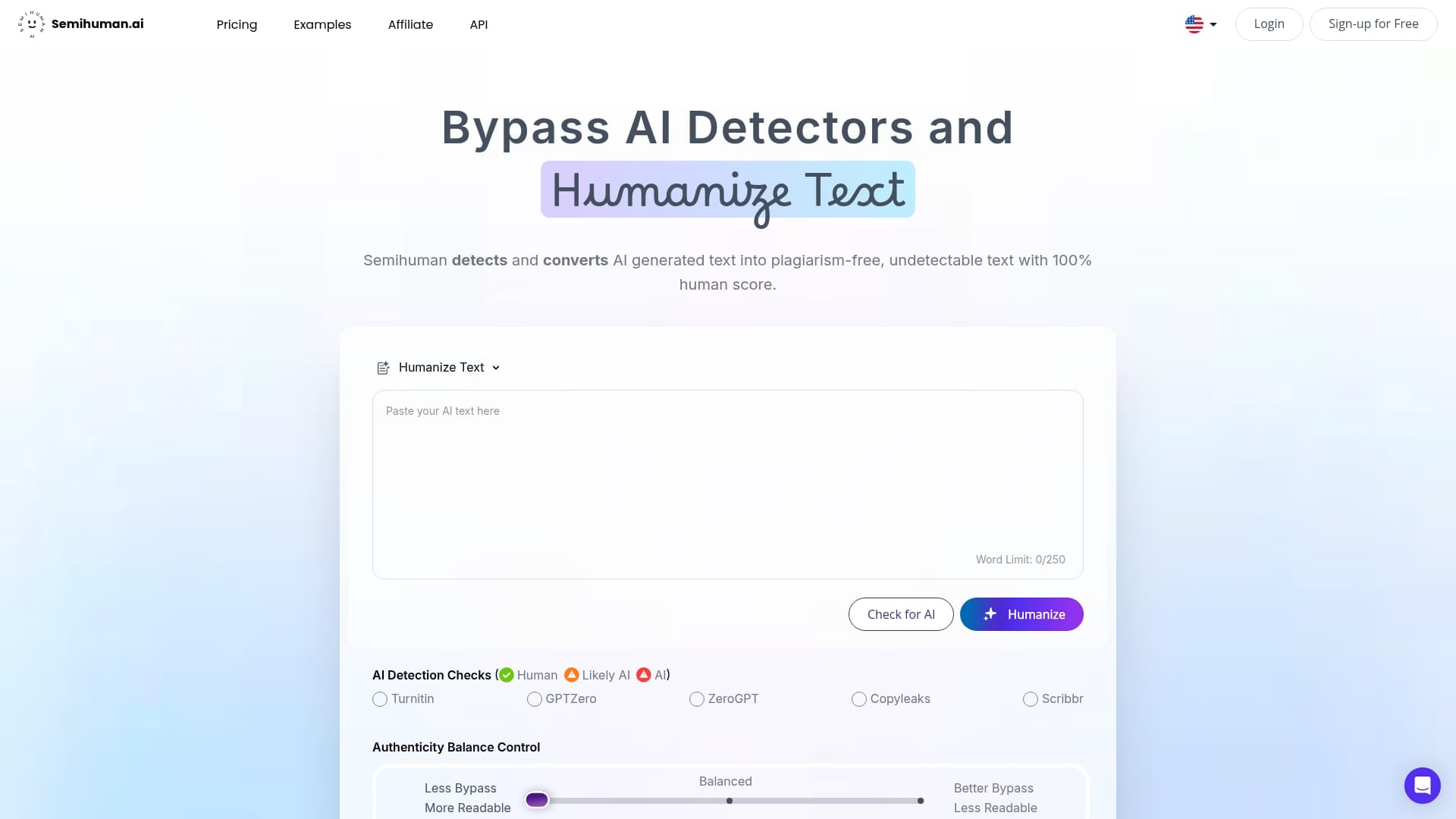
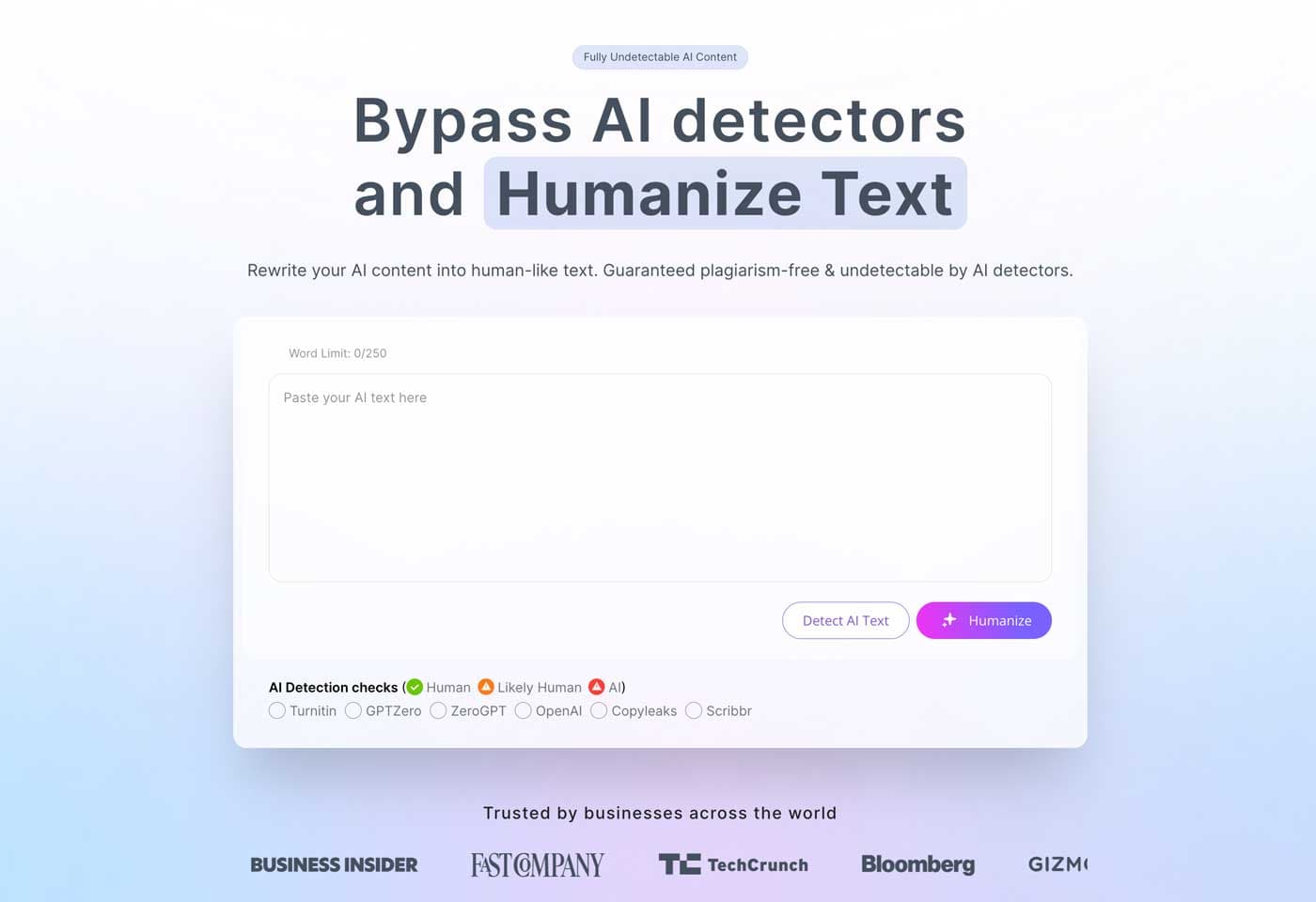
Semihuman.ai offers an advanced AI-powered platform designed specifically to address these exact concerns. It transforms AI-generated text into natural, human-like content to help protect your academic integrity and avoid detection by systems such as Turnitin and GPTZero. With features like text restructuring, keyword integration, and plagiarism reduction, you can confidently produce authentic, compliant academic writing that upholds transparency and originality. Take control of your scholarly work today by exploring Semihuman.ai, and discover how it supports your commitment to ethical academic content creation, as emphasized in guidelines on academic integrity and legal compliance. Start transforming your approach now and ensure your research stands out for all the right reasons.
Ethical academic content creation involves producing original work that respects intellectual property, accurately cites sources, and adheres to rigorous academic standards to maintain integrity and transparency in scholarly communication.
Transparency is crucial in academic writing as it involves clear source attribution, accurate citation practices, and honest representation of research findings, helping to maintain the credibility and trustworthiness of scholarly work.
Common mistakes include improper citation, paraphrasing without attribution, incomplete source documentation, cultural misunderstandings, and unintentional self-plagiarism. Understanding these pitfalls helps protect academic integrity.
Researchers can mitigate risks by prioritizing transparency, explicitly acknowledging AI assistance, critically evaluating AI-generated content, and ensuring personal oversight to maintain intellectual integrity.

Start
Humanizing
for Free!
Humanize