
Loading...

Most American university students face growing pressure to create authentic academic writing that passes strict AI detection systems. The ability to express ideas genuinely has become a crucial skill for students worldwide. With plagiarism rates rising and detection technologies advancing, students need practical strategies for producing original, credible content. This guide offers actionable steps to help you enhance your writing skills, boost authenticity, and meet academic standards with confidence.
| Takeaway | Explanation |
|---|---|
| 1. Understand Assignment Requirements | Analyze your assignment prompt carefully to identify key elements like tasks, lengths, and sources required to meet expectations. |
| 2. Collect Credible Research Sources | Focus on obtaining peer-reviewed and recent academic materials to ensure credible and rigorous support for your assignment. |
| 3. Write in Your Own Words | Develop original drafts by deeply understanding source materials and expressing ideas in your unique voice to avoid plagiarism. |
| 4. Use Humanizing Tools Effectively | Utilize tools to enhance authenticity in your writing by infusing personal insights and contextual language into generated content. |
| 5. Thoroughly Edit and Proofread | Systematic review of your draft is essential for clarity, flow, and overall quality, ensuring academic standards are met throughout. |
Successfully completing academic assignments starts with thoroughly comprehending the task at hand. Reading and analyzing your assignment prompt is the critical first step that can dramatically improve your academic performance.
Understanding your assignment involves more than just skimming the instructions. You need to carefully examine every detail using strategies recommended by academic writing experts. This means identifying key action words, recognizing the specific type of assignment, and determining exactly what your instructor expects.
Start by breaking down the assignment prompt into specific components. Look for critical elements like:
Pay special attention to action verbs in the prompt. Words like "analyze," "compare," "critique," or "explain" signal different approaches and depths of engagement. Each verb suggests a unique way of responding to the assignment.
If anything seems unclear, ask your professor or teaching assistant for clarification early. Seeking guidance demonstrates initiative and helps prevent misunderstandings that could impact your grade.
Pro tip: Create a checklist of assignment requirements and mark them off as you complete each component to ensure you haven't missed any critical details.
Research is the backbone of any academic assignment, transforming your work from ordinary to exceptional. Finding and evaluating credible sources requires strategic thinking and critical analysis.
Not all sources are created equal. Academic research demands a systematic approach to source selection that goes beyond simple internet searches. University libraries and academic databases provide the most reliable research materials, offering peer reviewed scholarly content that meets rigorous academic standards.
When collecting sources, focus on these key characteristics:
Learn to apply the CRAAP test when evaluating sources: Current, Relevant, Authority, Accuracy, and Purpose. This framework helps you quickly determine whether a source meets academic research standards.
Diversify your research by using multiple types of sources: academic journals, books, reputable online publications, and official research reports. Cross referencing information increases the credibility and depth of your assignment.
Remember that Wikipedia and general web searches are starting points for understanding a topic, not final sources for academic work. Always trace information back to its original scholarly source.
Pro tip: Create a research tracking spreadsheet to log sources, including publication details, key arguments, and potential quotations to streamline your writing process.
Writing original academic content means expressing research findings through your unique intellectual lens. Developing your authentic academic voice requires careful thought and strategic communication.
Original drafting is more than avoiding plagiarism. It demands deep comprehension of source materials and the ability to reframe complex ideas in your own language. This process involves thoroughly understanding research concepts before attempting to rephrase them.
When writing original drafts, follow these critical strategies:
Academic integrity standards require students to represent ideas faithfully while maintaining a personal perspective. This means transforming research insights into your own coherent narrative.
Effective paraphrasing involves completely understanding source content, then explaining the concept as if you were teaching it to someone else. Avoid copying sentence structures or using too many consecutive similar phrases from original texts.
Remember that original writing demonstrates your critical thinking skills. Your goal is not just to repeat information but to analyze, interpret, and contribute meaningful insights.
Pro tip: Record audio of yourself explaining research concepts in your own words before writing to help generate a more natural and authentic draft.
In the digital age of academic writing, technology offers powerful solutions for transforming AI generated content into authentic student work. Humanizing tools can bridge the gap between automated text and personalized academic writing.
Humanizing tools are sophisticated software designed to inject personal voice, nuanced language, and contextual understanding into generated text. These innovative platforms help students maintain academic integrity while leveraging technological writing assistance.
Key strategies for using humanizing tools effectively include:
Successful humanization requires more than simple word replacement. You must critically review and personalize each section, ensuring that the final draft reflects your unique academic perspective and understanding.
Most humanizing tools work by examining text complexity, identifying repetitive phrases, and suggesting more nuanced language alternatives. This process helps transform potentially robotic text into a more natural academic writing style.
Remember that these tools are assistants, not replacements for your intellectual input. Always review and refine the output to guarantee it genuinely represents your academic voice and understanding.
Pro tip: Read your humanized text aloud to verify it sounds like your natural writing voice and captures your intended academic tone.
Keywords are the secret language of academic and digital communication. Understanding how to strategically embed keywords transforms your writing from generic text to targeted scholarly work.
Keyword integration is an art of balancing search engine optimization with authentic academic writing. The goal is not simply stuffing terms into your text but weaving them seamlessly into your intellectual narrative.
Effective keyword strategies involve:
Start by examining your assignment prompt and research question. Identify core concepts and terminology that represent the essential themes of your work. Academic keywords should reflect scholarly language while maintaining natural readability.
Avoid overusing keywords. Academic readers and evaluation systems can detect forced or unnatural text. Aim for a keyword density of 1 to 2 percent within your document. This means using your primary keyword once or twice per 100 words without compromising the academic quality of your writing.
Remember that keywords are tools for communication, not decoration. Your primary objective is always clear, intelligent academic expression.
Pro tip: Read your draft aloud to ensure keywords feel conversational and integrated, not mechanically inserted.
In the digital academic landscape, understanding and mitigating plagiarism risks has become increasingly complex. Navigating AI detection challenges requires strategic awareness and proactive review.
Plagiarism detection goes beyond simple text comparison it involves understanding nuanced academic integrity standards. Modern AI technologies have transformed how universities identify potential academic misconduct, making comprehensive review more critical than ever.
Effective plagiarism review strategies include:
Today universities employ sophisticated AI powered detection systems that analyze writing patterns, source originality, and textual consistency. These tools can identify potential AI generated content by examining linguistic markers, structural patterns, and contextual anomalies.
Pay special attention to your document structure, citation practices, and overall writing coherence. Inconsistent tone shifts or unusually complex language variations can trigger detection algorithms.
Remember that academic integrity is about demonstrating genuine understanding and intellectual contribution. Your goal is to present original work that reflects your unique scholarly perspective.
Pro tip: Create a personal checklist comparing your draft against your university guidelines to ensure maximum originality and minimal detection risks.
Editing and proofreading transform good academic writing into exceptional scholarly work. Improving writing skills requires systematic review and refinement.
Effective editing is a multilayered process that goes beyond simple grammar correction. It involves critically analyzing your writing structure, argument coherence, and overall academic presentation.
Your editing strategy should include:
Approach editing in distinct phases. First, focus on structural and content revisions. Examine how your arguments connect, remove redundant statements, and ensure each paragraph contributes meaningfully to your overall thesis.
In the second phase, concentrate on sentence level precision. Scrutinize grammar, punctuation, and word choice. Academic writing demands clarity conciseness and scholarly tone.
Utilize multiple editing techniques. Read your document backward to catch spelling errors. Use digital tools but do not rely on them exclusively. Manual review remains crucial for maintaining academic integrity.
Pro tip: Wait 24 hours after completing your draft before editing to approach your work with fresh, objective eyes.
Below is a comprehensive table summarizing the essential strategies and steps for successfully completing academic assignments, as discussed in the article.
| Step | Key Strategies and Actions | Benefits and Outcomes |
|---|---|---|
| Understand Your Assignment | Analyze the prompt for key action words, format requirements, and deadlines. Seek clarification from your professor if needed. | Ensures clear understanding of expectations, resulting in improved academic performance. |
| Research and Collect Reliable Sources | Use academic databases and university libraries. Apply the CRAAP test to evaluate source credibility. | Provides strong, evidence-based arguments by using high-quality resources. |
| Write Original Drafts | Reframe ideas in your own words, synthesizing information from multiple sources. Emphasize academic integrity. | Demonstrates critical thinking skills and ensures original intellectual contribution. |
| Use Humanizing Tools | Personalize text by analyzing AI-generated output for contextual nuance and seamless integration. | Enhances authenticity, reflecting your academic voice and effort. |
| Integrate Keywords Naturally | Research discipline-specific terminology and embed keywords seamlessly into content. Maintain readability. | Enables targeted communication while fostering clear academic expression. |
| Review for Plagiarism and AI Detection Issues | Validate originality using detection tools. Understand integrity standards and adhere to guidelines. | Maintains academic credibility and minimizes risks associated with academic misconduct. |
| Edit and Proofread | Conduct comprehensive reviews for structure, content clarity, grammar, and citation precision. | Produces polished, coherent, and impactful academic writing. |
Struggling with transforming your assignment drafts into original, human-like writing that avoids plagiarism and AI detection risks? The article "7 Essential Content Creation Tips for University Students" highlights the critical challenges of maintaining academic integrity while producing authentic content. Key points such as writing original drafts, integrating keywords naturally, and reviewing for plagiarism emphasize the need for a reliable tool to help you confidently present your unique scholarly voice.
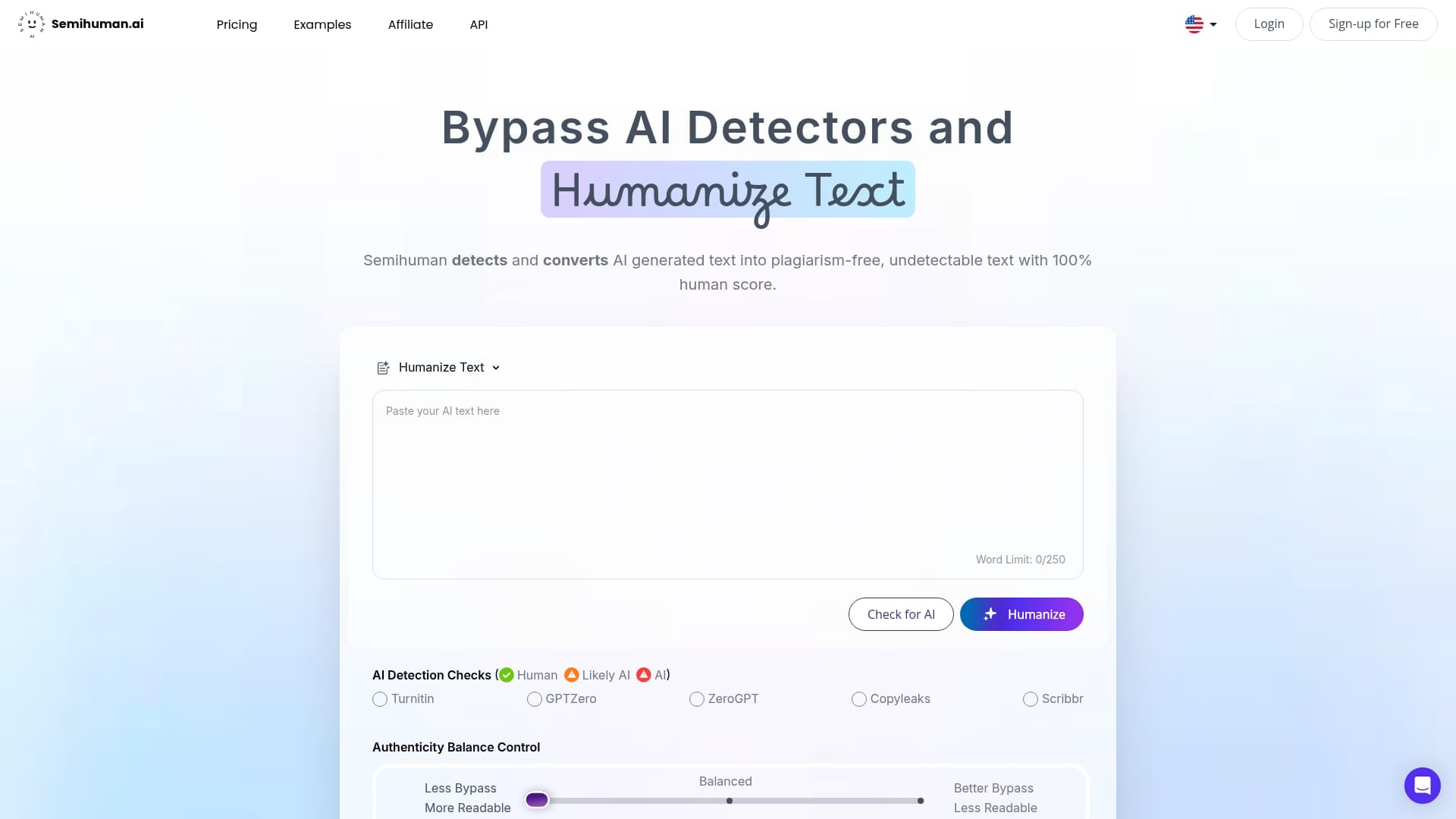
Experience how Semihuman.ai empowers students by humanizing AI-generated text, restructuring your content to sound genuinely natural, and improving clarity and flow. Whether you need help with keyword integration or want to ensure your work bypasses AI detection systems like Turnitin and GPTZero, Semihuman.ai gives you the confidence to submit original academic writing. Take control of your content today and elevate your writing process with this powerful AI-human content solution. Visit Semihuman.ai now and transform your academic work into authentic success.
To successfully complete your academic assignments, thoroughly analyze your assignment prompt. Break it down into components such as task requirements, length expectations, and submission dates to ensure clarity.
Focus on using peer-reviewed academic journals and recognized experts in your field. Make a checklist of source characteristics, such as publication date and methodology, to help you choose credible material effectively.
Writing an original draft involves understanding your sources thoroughly and expressing their ideas in your voice. Read your materials multiple times and then explain the concepts as if you were teaching someone else to create authentic content.
Utilize humanizing tools designed to inject your personal voice into AI-generated content. Analyze the text for generic language, then modify it by adding your reflections and ensuring a natural language flow.
Integrate keywords by researching discipline-specific terminology and understanding the concepts relevant to your topic. Aim for a keyword density of 1 to 2 percent to keep your writing natural and aligned with academic expectations.
Begin by reading your draft aloud to check flow and structure, then verify logical progression throughout your arguments. Edit at both structural and sentence levels, focusing on clarity and accuracy before finalizing your draft.

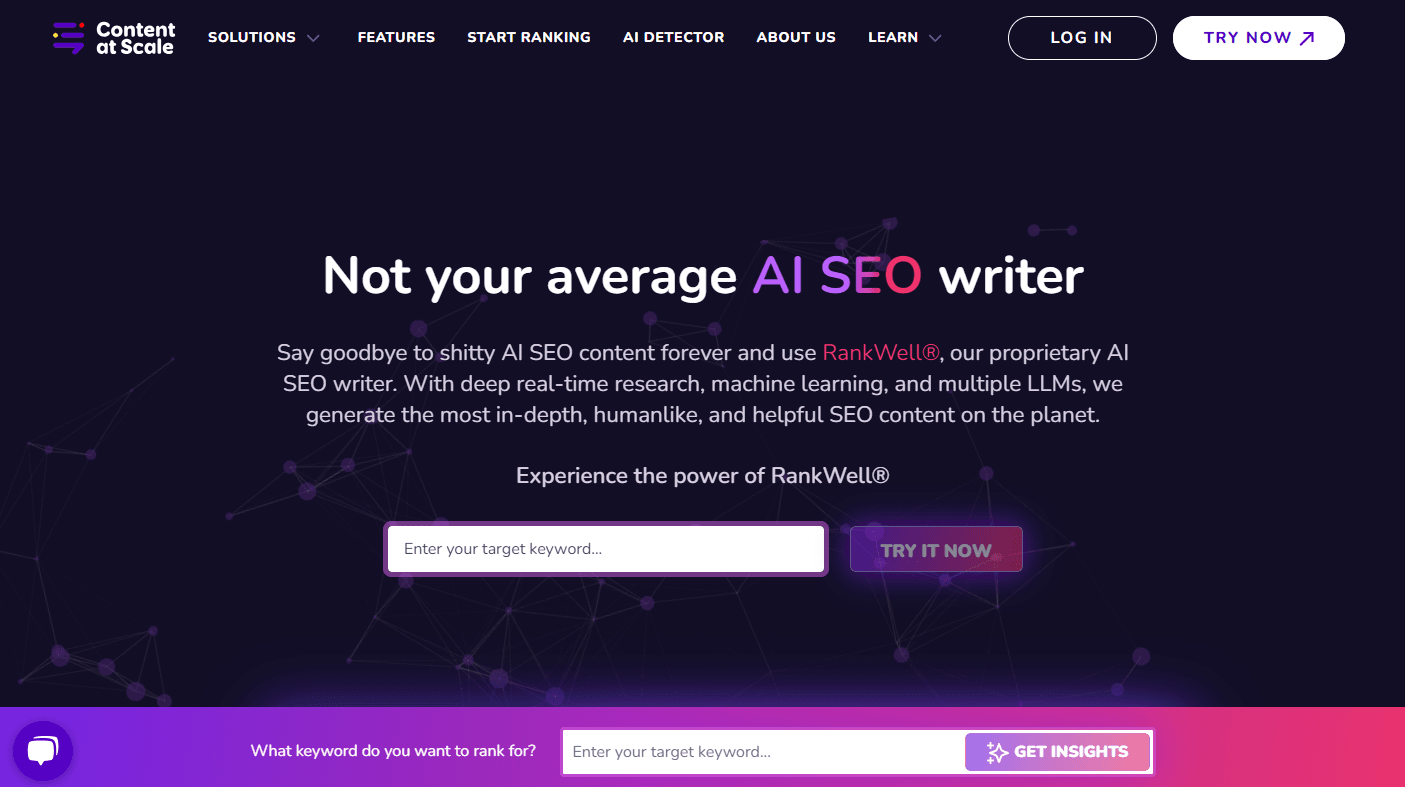
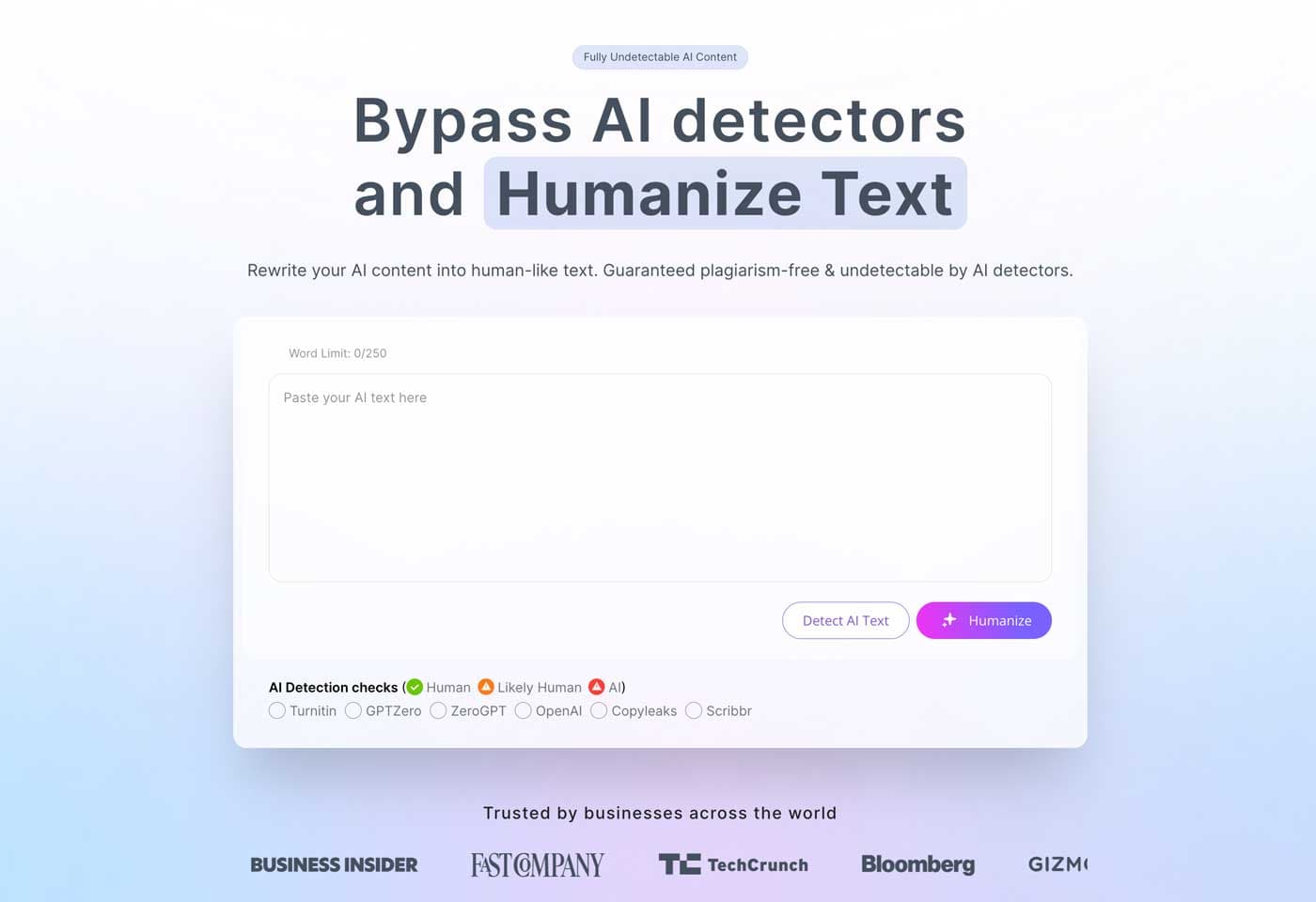

Start
Humanizing
for Free!
Humanize