
Loading...

Sorting reliable insights from a flood of digital noise is a daily challenge for tech-focused content marketers and SEO professionals. With increasing algorithmic scrutiny, building content trustworthiness has become more than a buzzword—it is the keystone for credibility and results. This article sheds light on practical frameworks and measurable indicators including transparency, accuracy, and expert attribution so you can deliver digital work that stands out for authenticity while addressing AI detection and humanization hurdles.
| Point | Details |
|---|---|
| Content Trustworthiness | Establishing trust involves assessing credibility, completeness, relevance, context, and verifiability. |
| Importance of Source Integrity | Search engines prioritize trusted sources based on credibility, user engagement, and content consistency. |
| Risks of Untrustworthy Content | Misinformation can damage brand reputation, erode consumer trust, and lead to financial losses. |
| AI and Content Creation | Balancing AI detection and humanization is crucial for maintaining authenticity and meeting digital content standards. |
Content trustworthiness represents the fundamental framework that determines the credibility, reliability, and authenticity of information shared across digital platforms. In an era overwhelmed by information, establishing trust becomes crucial for content creators and consumers alike.
At its core, trustworthiness involves several critical dimensions that validate the quality of digital content. Credibility assessment involves multiple criteria that extend beyond simple factual accuracy. These dimensions include:
Trustworthiness goes far beyond mere factual presentation. Digital content authenticity requires nuanced evaluation that considers not just what is said, but how and why it is communicated. The interpretation of content plays a significant role in determining its trustworthiness.
Understanding these elements helps content creators develop materials that resonate with audiences and maintain high standards of digital communication. By prioritizing transparency, comprehensive research, and clear representation, professionals can build content that genuinely earns audience trust.
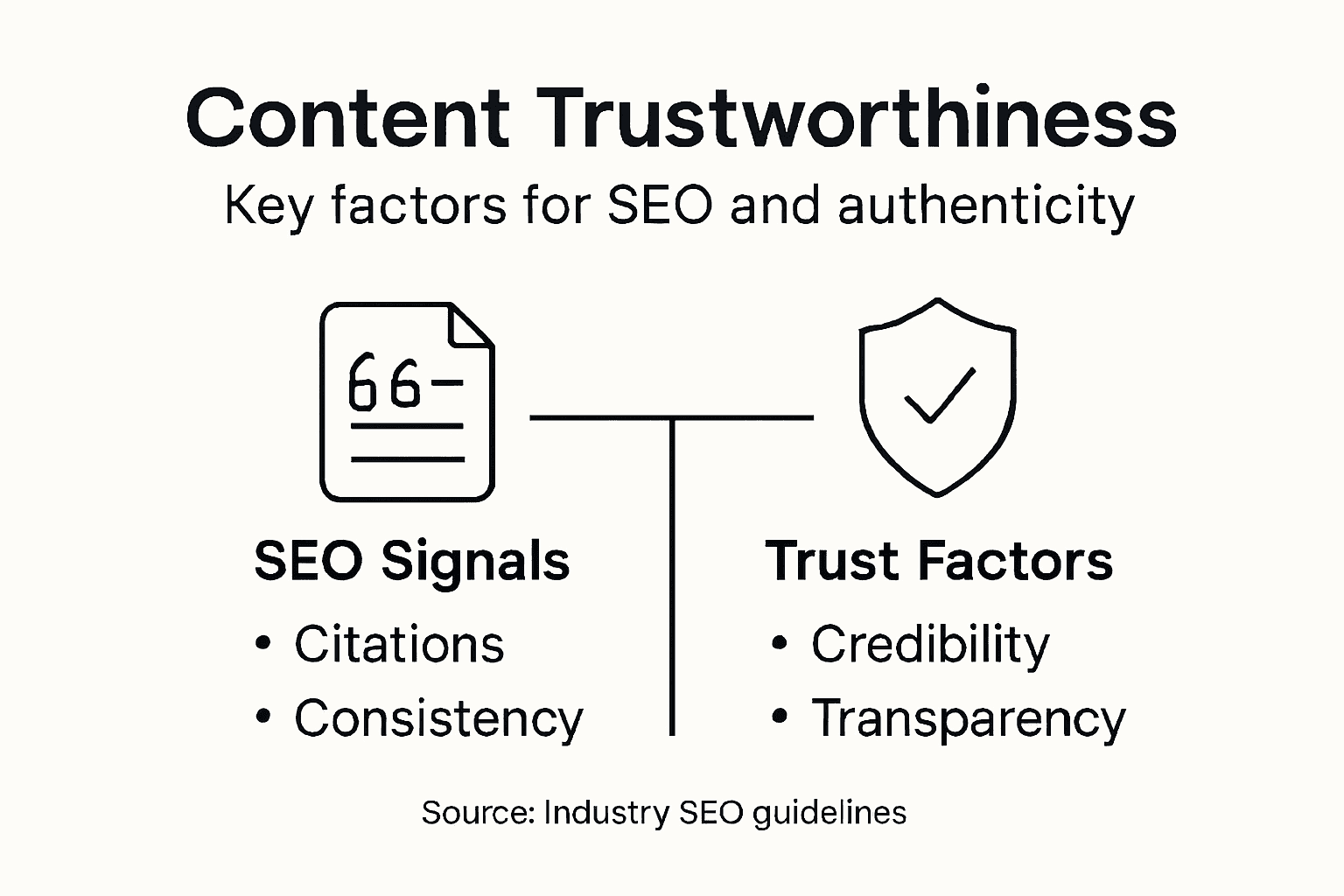
For a quick overview, here are the core dimensions of content trustworthiness and how they influence audience perception:
| Dimension | Primary Focus | Audience Impact |
|---|---|---|
| Completeness | Covers all relevant information | Reduces confusion and fills knowledge gaps |
| Relevance | Stays on-topic and purposeful | Increases engagement and clarity |
| Context | Provides accurate background | Prevents misinterpretation |
| Verifiability | Includes reliable sourcing | Builds confidence and transparency |
Pro tip: Always cross-reference your sources and provide clear attribution to enhance your content's credibility and trustworthiness.
Trustworthiness in digital content is a multifaceted concept that requires careful evaluation across several critical dimensions. Online content reliability involves complex assessment criteria that go far beyond simple fact-checking.
Key indicators of trustworthy content can be systematically categorized into several essential elements:
Quality signals demonstrate content authenticity through multiple interconnected characteristics. These include comprehensive research, expert authorship, sophisticated writing quality, and strategic presentation of information.

Search engines and discerning readers increasingly rely on sophisticated metrics to determine content trustworthiness. Signals such as user engagement, depth of research, multimedia integration, and clear attribution play crucial roles in establishing digital content's reliability.
Pro tip: Always include clear citations, author credentials, and verifiable references to enhance your content's perceived trustworthiness and professional credibility.
Search engines have developed increasingly sophisticated algorithms to distinguish between high-quality and low-quality digital content. Misinformation prevention remains a critical algorithmic priority for maintaining user trust and information integrity.
The key factors that drive search engine prioritization of trusted sources include:
Trust signals go beyond simple keyword matching. Modern search algorithms analyze complex networks of information, examining how content interconnects, its original sourcing, and the broader ecosystem of digital knowledge.
By prioritizing trusted sources, search engines create a filtering mechanism that protects users from potentially harmful or misleading information. This approach helps maintain the overall quality of digital information and ensures that users receive reliable, well-researched content.
Pro tip: Invest in building genuine expertise and consistently producing high-quality, well-researched content to improve your digital credibility and search rankings.
Brand reputation management represents a critical challenge in the digital landscape, where untrustworthy content can rapidly undermine years of carefully built corporate identity. The consequences of digital misinformation extend far beyond simple communication mishaps.
The primary risks associated with untrustworthy content include:
Digital platforms amplify content risks exponentially. A single instance of misleading or inaccurate information can spread globally within minutes, creating cascading reputation management challenges that traditional communication strategies struggle to contain.
Brands must recognize that content integrity is not just a marketing consideration, but a fundamental business survival strategy. Algorithmic content risks demand proactive, comprehensive content verification and management approaches that protect organizational credibility.
Pro tip: Implement rigorous content review processes and maintain consistent brand messaging across all digital platforms to mitigate potential reputation risks.
AI content detection technologies have emerged as a critical frontier in maintaining digital content integrity. The ongoing technological arms race between AI generation and detection creates complex challenges for content creators seeking to balance authenticity and technological innovation.
The primary challenges in AI detection and humanization include:
Academic integrity challenges require sophisticated approaches that go beyond simple detection mechanisms. Hybrid models combining natural language processing techniques with human oversight represent the most promising path forward.
Effective humanization strategies must focus on introducing contextual complexity, natural language variations, and subtle imperfections that distinguish human-created content from machine-generated text.
Below is a comparison of human versus AI-generated content challenges in digital environments:
| Challenge Area | Human-Authored Content | AI-Generated Content |
|---|---|---|
| Authenticity | Internal experience informs text | May mimic, but lacks true context |
| Nuance | Naturally adapts for subtlety | Struggles with complex nuance |
| Detection Risk | Low detection by algorithms | High risk of AI identification |
| Compliance | Easily follows shifting standards | Needs constant algorithm updates |
Pro tip: Develop a multi-layered approach to content creation that integrates human editing, contextual refinement, and strategic text variations to minimize AI detection risks.
The challenge of ensuring content authenticity while optimizing for search engines can feel overwhelming. This article highlights key concerns like humanizing AI-generated text, maintaining transparency, and effectively bypassing AI detection tools to build credible, trustworthy content. If you struggle with content that sounds artificial or worry about losing your audience’s trust, you are not alone. Achieving verifiability, completeness, and relevance demands more than just accurate facts; it requires content that resonates as genuinely human.
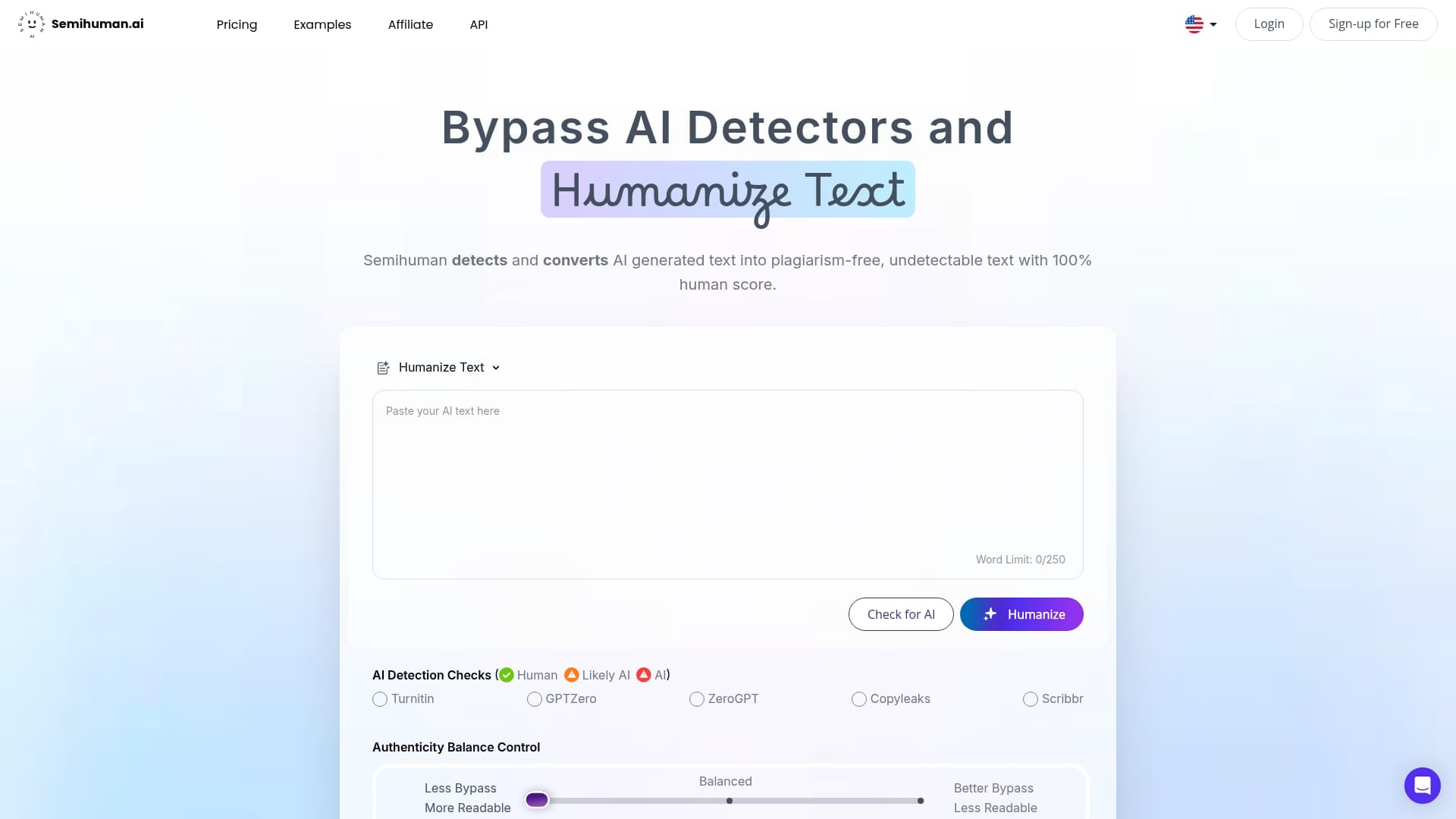
Transform your writing with Semihuman.ai, a specialized AI-powered platform designed to help you humanize your AI-generated text for enhanced trustworthiness and superior SEO performance. Whether you are creating blog posts, marketing emails, or academic papers, Semihuman.ai empowers you to restructure text, integrate keywords naturally, and reduce AI detection risks to safeguard your brand’s credibility. Don’t let untrustworthy or robotic content undermine your digital presence. Start leveraging Semihuman.ai now and ensure your content stands out as authentic, engaging, and optimized for search engines.
Content trustworthiness is evaluated based on several critical dimensions, including completeness, relevance, context, and verifiability. Each of these dimensions plays a significant role in validating the quality of digital content.
Search engines prioritize trusted sources by evaluating factors like source credibility, content consistency, user engagement, referential strength, and contextual relevance. These criteria help ensure that users receive reliable and well-researched information.
Brands can suffer from reputation erosion, consumer trust decline, financial impacts, legal vulnerabilities, and market positioning disruptions due to untrustworthy content. The rapid spread of misinformation can severely damage a brand's identity.
Content creators can enhance trustworthiness by ensuring transparency, providing clear citations and sources, maintaining accountability through correction mechanisms, and engaging in comprehensive research to support their claims.

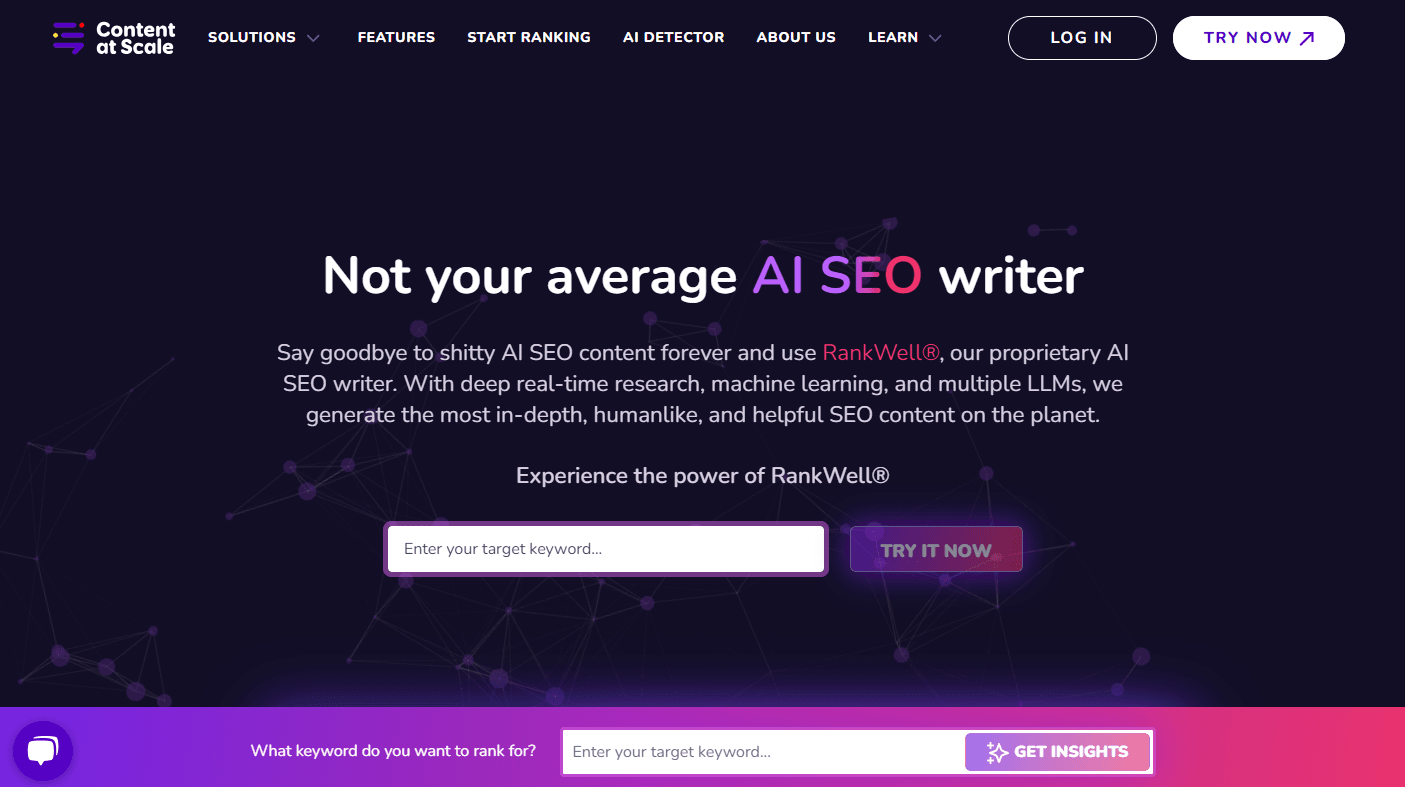
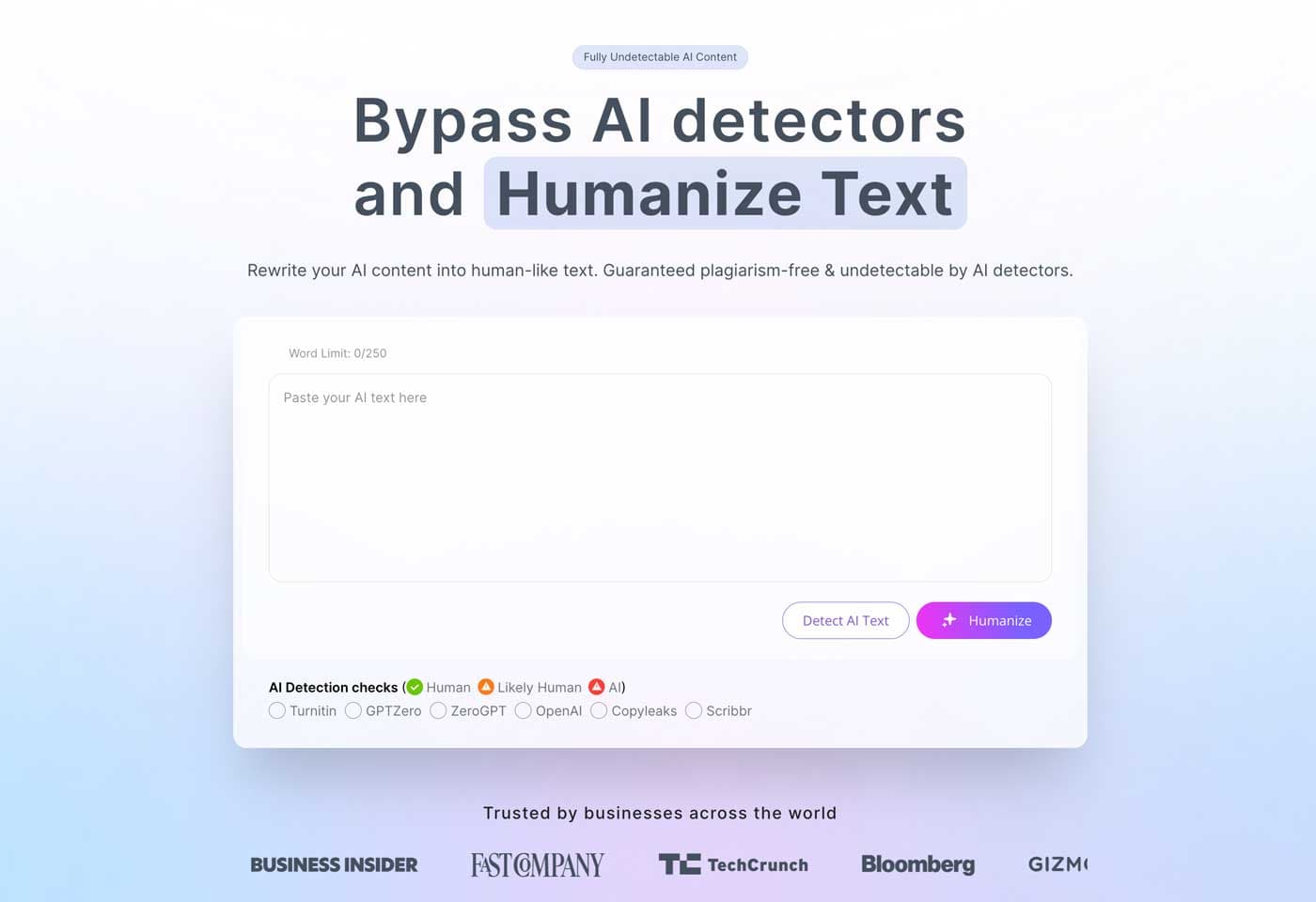

Start
Humanizing
for Free!
Humanize