
Loading...

More than 80 percent of American marketers believe advanced AI-driven personalization is the next big shift in content strategy. As digital marketing grows more competitive, understanding data at a granular level is not just an American concern but a global priority for maximizing engagement and staying ahead. This guide reveals practical strategies to help you create personalized content that blends seamlessly into audiences' online experiences while remaining invisible to detection tools.
| Takeaway | Explanation |
|---|---|
| 1. Understand User Behavior for Personalization | Use behavioral data to create tailored user experiences that reflect individual preferences and engagement patterns. |
| 2. Leverage AI for Content Creation | Integrate AI tools to enhance content quality and speed, providing personalized recommendations and drafting capabilities. |
| 3. Implement Dynamic Audience Segmentation | Use advanced algorithms to segment audiences based on nuanced factors, enabling targeted and effective messaging. |
| 4. Analyze Behavioral Data in Real Time | Employ behavioral analytics to adapt marketing strategies instantly according to user actions and preferences. |
| 5. Measure Personalization Impact Effectively | Develop comprehensive tracking frameworks to assess the effectiveness of personalized experiences and adjust strategies accordingly. |
Navigating the complex world of digital marketing requires more than just collecting user information. It demands a strategic approach to understanding and leveraging user data through advanced analytical methods.
Modern personalization goes far beyond basic demographic targeting. By integrating individual behavioral patterns, social interactions, and contextual situational data, marketers can create highly nuanced and dynamic user experiences. The key lies in recognizing that each data point tells a story about user preferences, intentions, and potential engagement paths.
Successful personalization requires a multidimensional approach. This means examining not just who your users are, but how they interact with content across different platforms and moments. Artificial intelligence and machine learning algorithms now enable marketers to process complex data sets that reveal intricate user behaviors and predict future interactions with remarkable accuracy.
To implement effective personalization, start by developing a comprehensive data collection strategy that respects user privacy while gathering meaningful insights. This involves using advanced tracking technologies, consent management platforms, and sophisticated segmentation techniques that transform raw data into actionable marketing intelligence.
Key Data Collection Strategies:
Pro tip: Invest in robust data management platforms that can integrate multiple data sources and provide real time personalization capabilities.
Artificial intelligence has transformed content creation from a manual process to a dynamic, intelligent workflow. AI-powered tools now offer unprecedented capabilities for generating and refining written content, enabling marketers to produce high quality materials with remarkable speed and precision.
The evolution of AI writing technologies goes far beyond simple text generation. Modern platforms leverage natural language processing and machine learning algorithms to understand context, tone, and audience preferences. These sophisticated systems can draft entire articles, suggest creative improvements, and adapt content in real time based on specific marketing objectives.
Marketing professionals can integrate AI tools into their content strategies by focusing on specific use cases. These might include automated research assistance, draft creation, language refinement, and personalized content recommendations. The goal is not to replace human creativity but to augment and accelerate the content development process.
Key AI Content Creation Strategies:
Critical Considerations:
Pro tip: Select AI writing tools that offer robust customization options and integrate seamlessly with your existing content management workflow.
Marketing success increasingly depends on understanding and targeting specific audience segments with precision. Advanced algorithmic customer segmentation techniques now enable marketers to divide audiences into meaningful groups that respond uniquely to different messaging strategies.
Effective audience segmentation goes beyond basic demographic information. Modern approaches incorporate behavioral patterns, psychological profiles, and contextual data to create nuanced audience personas. By leveraging sophisticated clustering algorithms and machine learning technologies, marketers can develop hyper targeted communication strategies that resonate deeply with specific audience subgroups.
Implementing a robust audience segmentation strategy requires a multifaceted approach. This involves collecting comprehensive data points, analyzing interaction patterns, and developing dynamic segmentation models that can adapt to changing consumer behaviors. The goal is to move from broad generalized messaging to highly personalized communication that feels individually crafted.
Key Audience Segmentation Strategies:
Segmentation Considerations:
Pro tip: Implement a flexible segmentation approach that allows for real time adjustments and considers multiple dimensions of audience characteristics.
The power of modern digital marketing lies in its ability to adapt instantaneously to user behaviors. Reinforcement learning integrated with behavioral analytics now enables dynamic, responsive user experiences that transform how brands interact with their audiences.
Behavioral analytics go beyond traditional tracking methods by providing deep insights into user interactions, preferences, and potential future actions. Advanced AI algorithms can now analyze complex behavioral patterns in milliseconds, allowing marketers to make immediate adjustments to content, messaging, and user interface elements that maximize engagement and conversion potential.
Implementing real-time behavioral analytics requires a strategic approach that combines sophisticated technological infrastructure with intelligent data interpretation. Marketers must develop systems that can not only collect data but also instantly translate those insights into actionable personalization strategies.
Key Behavioral Analytics Strategies:
Critical Implementation Considerations:
Pro tip: Select behavioral analytics platforms that offer granular segmentation capabilities and support rapid iteration of personalization strategies.
Creating content that resonates with readers while maintaining search engine optimization requires a delicate balance. Sophisticated keyword integration techniques now enable writers to craft natural language that seamlessly incorporates strategic search terms without sacrificing readability or authenticity.
Successful keyword strategies move beyond simple mechanical placement. The goal is to weave target keywords into content so organically that readers perceive a genuine human voice while simultaneously satisfying search algorithm requirements. This approach demands careful language crafting that prioritizes user experience and contextual relevance.
Marketers and content creators can achieve this integration by developing a nuanced understanding of their audience's language patterns. This involves analyzing how target audiences naturally discuss topics, identifying contextual variations of core keywords, and creating content that sounds conversational yet precisely targeted.
Keyword Integration Best Practices:
Critical Content Strategies:
Pro tip: Create a keyword library that includes natural language variations to support more organic content creation.
Automated personalization represents a quantum leap in digital marketing capabilities, enabling businesses to deliver tailored experiences to massive audiences simultaneously. Generative AI technologies now make scalable personalization possible across diverse content domains, transforming how organizations engage with their target markets.
The core principle of automated personalization involves using intelligent algorithms to dynamically adjust content, messaging, and user interactions based on real time data signals. By integrating machine learning models that continuously analyze user behaviors, preferences, and engagement patterns, marketers can create adaptive experiences that feel individually crafted yet operate at an unprecedented scale.
Implementing automated personalization requires a strategic approach that balances technological sophistication with human oversight. This means developing robust data collection infrastructures, designing flexible content frameworks, and creating intelligent routing systems that can instantaneously match user profiles with the most relevant content variations.
Key Automated Personalization Strategies:
Critical Implementation Considerations:
Pro tip: Develop a multi tiered personalization strategy that allows for incremental complexity and granular user experience customization.
Personalization strategies demand rigorous, continuous evaluation to ensure their effectiveness and relevance. Comprehensive measurement approaches enable marketers to track the nuanced impact of personalized experiences across diverse audience segments, transforming data into actionable strategic insights.
Successful personalization measurement requires a multidimensional framework that goes beyond traditional metrics. This involves analyzing not just direct conversion rates, but also subtle indicators like engagement depth, content interaction patterns, user sentiment, and long term behavioral shifts that reveal the true value of personalized approaches.
Effective impact measurement demands developing robust analytical infrastructures that can capture granular performance signals. Marketers should create comprehensive dashboards integrating quantitative and qualitative data points, allowing for continuous optimization of personalization strategies based on real world user responses.
Key Impact Measurement Strategies:
Critical Refinement Considerations:
Pro tip: Establish a cross functional team dedicated to analyzing personalization performance metrics and translating insights into strategic recommendations.
Below is a comprehensive table summarizing the key strategies and approaches for modern digital marketing as discussed throughout the article.
| Category | Key Strategies | Benefits and Outcomes |
|---|---|---|
| Understanding User Data | Use advanced analytics to interpret user preferences and behaviors. | Enables nuanced personalization and predicts future interactions. |
| Leveraging AI Tools | Employ machine learning for content creation and refinement. | Reduces development time while enhancing effectiveness and alignment. |
| Effective Audience Segmentation | Integrate behavioral and psychological insights into audience division. | Facilitates targeted and impactful messaging. |
| Using Behavioral Analytics | Adapt content dynamically based on real-time user interactions. | Enhances user engagement and conversion by providing relevant experiences. |
| Automated Personalization | Implement scalable AI solutions for dynamic content customization. | Delivers tailored experiences, catering to individual user preferences. |
| Measuring Personalization Impact | Use multidimensional metrics to evaluate personalized initiatives. | Provides insights for continuous improvement of marketing strategies. |
This table encapsulates the primary themes and actionable insights provided in the article.
Digital marketers face the challenge of creating truly humanized content that not only engages audiences but also adapts dynamically to evolving personalization trends like AI-driven text generation, keyword integration, and real-time content adjustments. This article highlights the need for advanced strategies that respect user privacy while delivering authentic, SEO-friendly messaging tailored to nuanced audience segments. The pain points of maintaining content authenticity and bypassing AI detection systems are critical for marketers aiming to boost engagement without losing credibility.
Semihuman.ai is your solution for transforming AI-generated drafts into naturally flowing, human-like content that resonates with readers and search engines alike. With its powerful features for text restructuring, keyword enhancement, and detection evasion, this platform empowers marketers to meet the high standards of personalization discussed in the article. Discover how Semihuman.ai bridges the gap between automated creativity and genuine human expression, helping you stay ahead in a competitive digital landscape.
Unlock unparalleled content authenticity and refine your marketing strategies today by visiting Semihuman.ai.
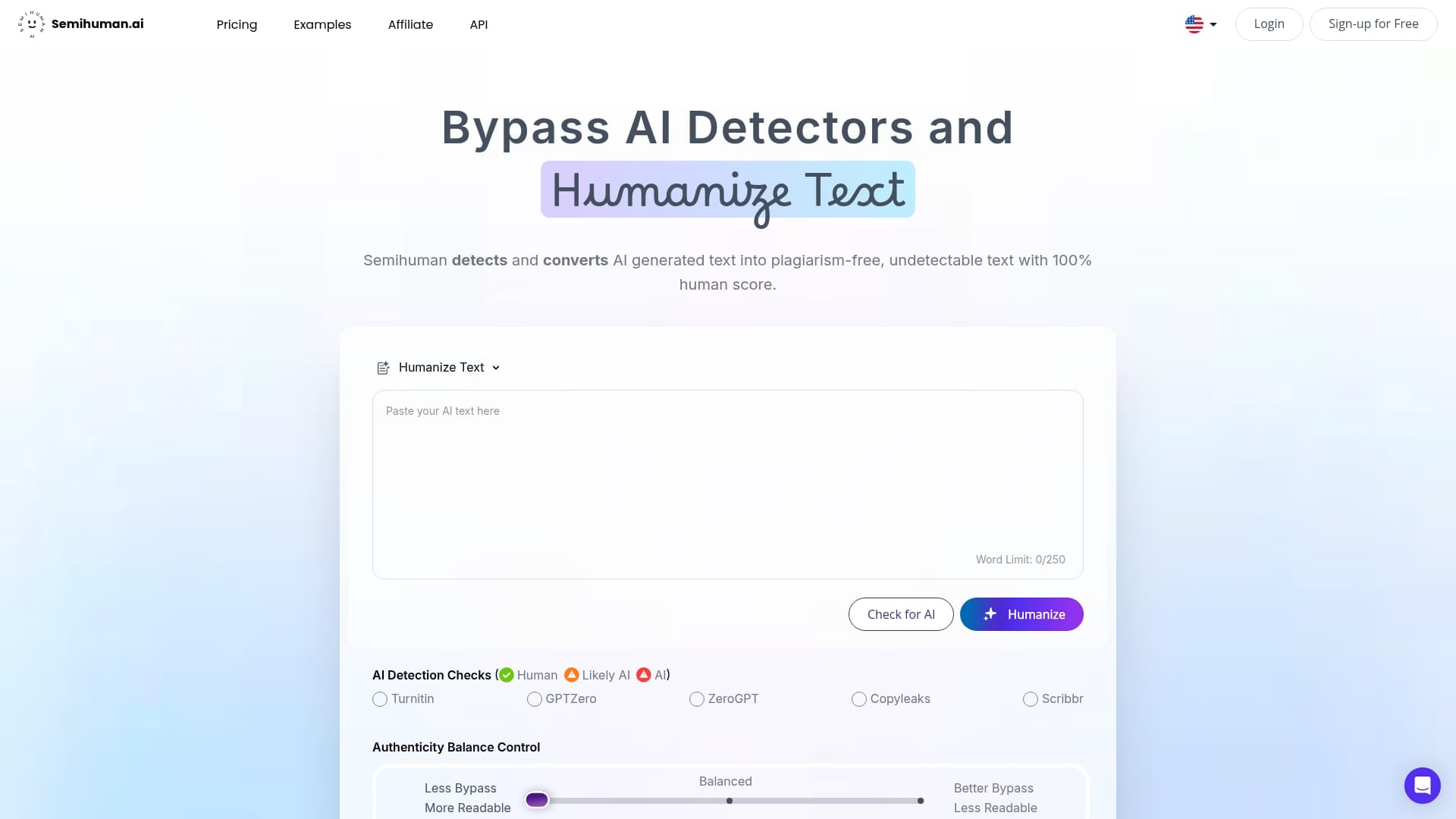
Experience the future of content personalization now with Semihuman.ai’s intuitive platform. Don’t let AI-generated text feel robotic or get flagged by detection tools. Take control of your messaging and elevate your digital marketing efforts instantly. Visit Semihuman.ai and transform your content into authentic, impactful narratives that connect and convert.
Effective data collection strategies for content personalization include implementing cross-platform tracking, using progressive profiling techniques, and developing intelligent consent mechanisms. Start by integrating these methods into your data collection framework to improve the depth of your user insights.
You can enhance your content marketing by using AI tools for initial draft generation and intelligent editing recommendations. Begin by selecting an AI writing tool that aligns with your specific content goals and allows for customization to match your audience’s preferences.
To segment audiences effectively, utilize machine learning clustering techniques and integrate behavioral as well as psychological data. Implement these strategies to create targeted messaging that resonates with specific audience subgroups, improving your engagement rates.
Apply behavioral analytics by implementing machine learning pattern recognition to analyze user interactions quickly. Establish adaptive content delivery systems that update based on user behavior to enhance engagement and optimize conversion potential.
To create keyword-rich yet conversational content, conduct comprehensive semantic research and understand natural language variations related to your topics. Focus on blending target keywords seamlessly into your writing without compromising readability, thus enhancing both search visibility and user engagement.
Measure the impact of your personalization strategies by developing a comprehensive performance tracking framework that includes advanced user engagement metrics. Create dashboards that integrate quantitative and qualitative data points, allowing for continuous optimization and data-driven adjustments.

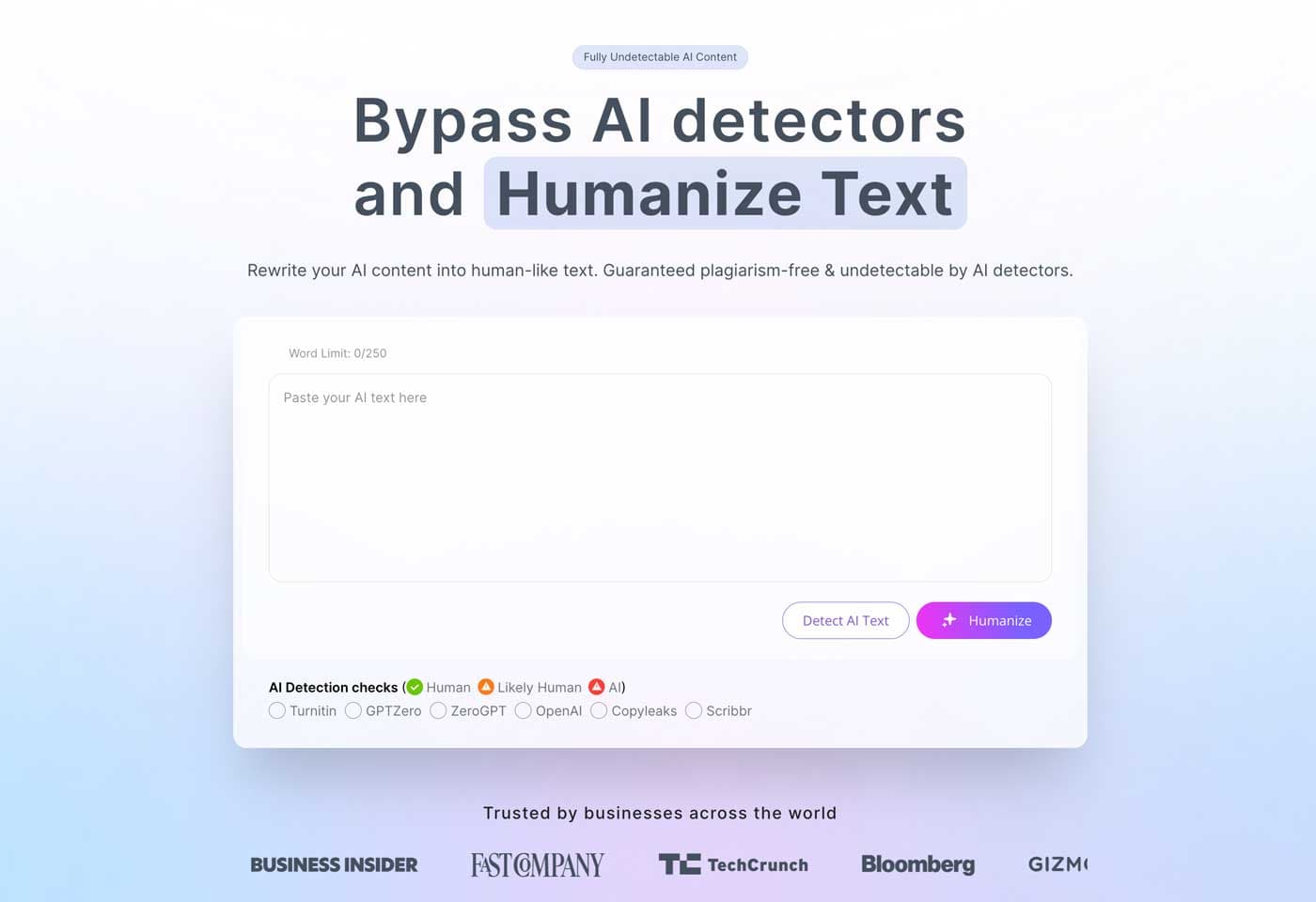
Start
Humanizing
for Free!
Humanize