
Loading...

Most American marketing professionals underestimate how much authentic content influences audience perception and search rankings. The rise of AI-generated materials means even subtle lapses in originality can hurt brand credibility. This article unpacks what true content originality means, explores common myths, and highlights practical strategies to help marketers stand out while meeting the highest standards of authenticity.
| Point | Details |
|---|---|
| Content Originality Defined | Originality is about creating unique perspectives that offer genuine value, not just avoiding plagiarism. It involves combining existing knowledge with personal insights creatively. |
| Types of Effective Content | In-depth blog posts, storytelling videos, and interactive infographics are key formats that engage audiences and convey brand messages effectively. |
| Impact on SEO | Original content boosts SEO by providing fresh insights and comprehensive answers, leading to higher search rankings and better user engagement. |
| Authenticity Practices | To ensure originality, conduct independent research, document unique perspectives, and utilize plagiarism detection tools for verification. |
Content originality represents more than simply avoiding direct plagiarism - it involves creating unique perspectives that contribute genuine value to existing conversations. In the digital marketing landscape, originality means crafting content that provides fresh insights, innovative approaches, and authentic perspectives that distinguish your work from competitors.
Many marketers misunderstand originality, believing it requires completely unprecedented ideas. However, true originality emerges through unique combinations of existing knowledge, personal experiences, and creative interpretation. Digital content transformation challenges have blurred traditional boundaries between derivative and original work, making nuanced understanding crucial for modern content creators.
Common myths about content originality include assumptions that rephrasing existing content constitutes originality or that AI-generated text can seamlessly replace human-created material. In reality, authentic content requires deeper engagement, critical thinking, and personal perspective. Originality stems from understanding core concepts, synthesizing information from multiple sources, and presenting insights through a distinctive lens that reflects individual expertise and creativity.
Key Characteristics of Original Content:
Pro tip: Develop a consistent content creation process that prioritizes research, reflection, and personal insight to ensure your work remains authentically original.
Marketing professionals have an expansive toolkit of content types to engage audiences and communicate brand messages effectively. Content marketing strategies now encompass diverse formats designed to capture attention and deliver value across multiple platforms and audience preferences.

The most impactful original content types include in-depth blog posts, storytelling videos, interactive infographics, thought leadership podcasts, and comprehensive guides. Each format offers unique advantages: blog posts provide detailed insights, videos create emotional connections, infographics simplify complex data, podcasts enable deep exploration of topics, and guides establish brand authority by demonstrating expertise.
Successful marketers understand that originality transcends format and requires innovative approaches within each content type. This means developing video narratives that go beyond product demonstrations, crafting blog posts with unique analytical perspectives, creating infographics that reveal unexpected insights, and designing interactive content that genuinely solves audience problems.
Key Original Content Formats:
Emerging Content Innovation Strategies:
Pro tip: Regularly audit your content portfolio to identify unique perspectives and innovative storytelling approaches that differentiate your brand from competitors.
Search engine algorithms continuously evolve to reward content that demonstrates genuine value, authenticity, and unique perspectives. SEO visibility requires strategic content optimization that goes beyond traditional keyword stuffing, demanding sophisticated approaches to creating genuinely original material.

Originality directly influences search rankings through multiple critical mechanisms. Search engines like Google prioritize content that offers fresh insights, comprehensive analysis, and unique perspectives. This means original content that thoroughly explores topics, provides novel interpretations, and delivers substantial value will naturally rank higher than repetitive or derivative materials. Sophisticated algorithms now detect nuanced quality signals, rewarding content creators who invest time in developing truly innovative narratives.
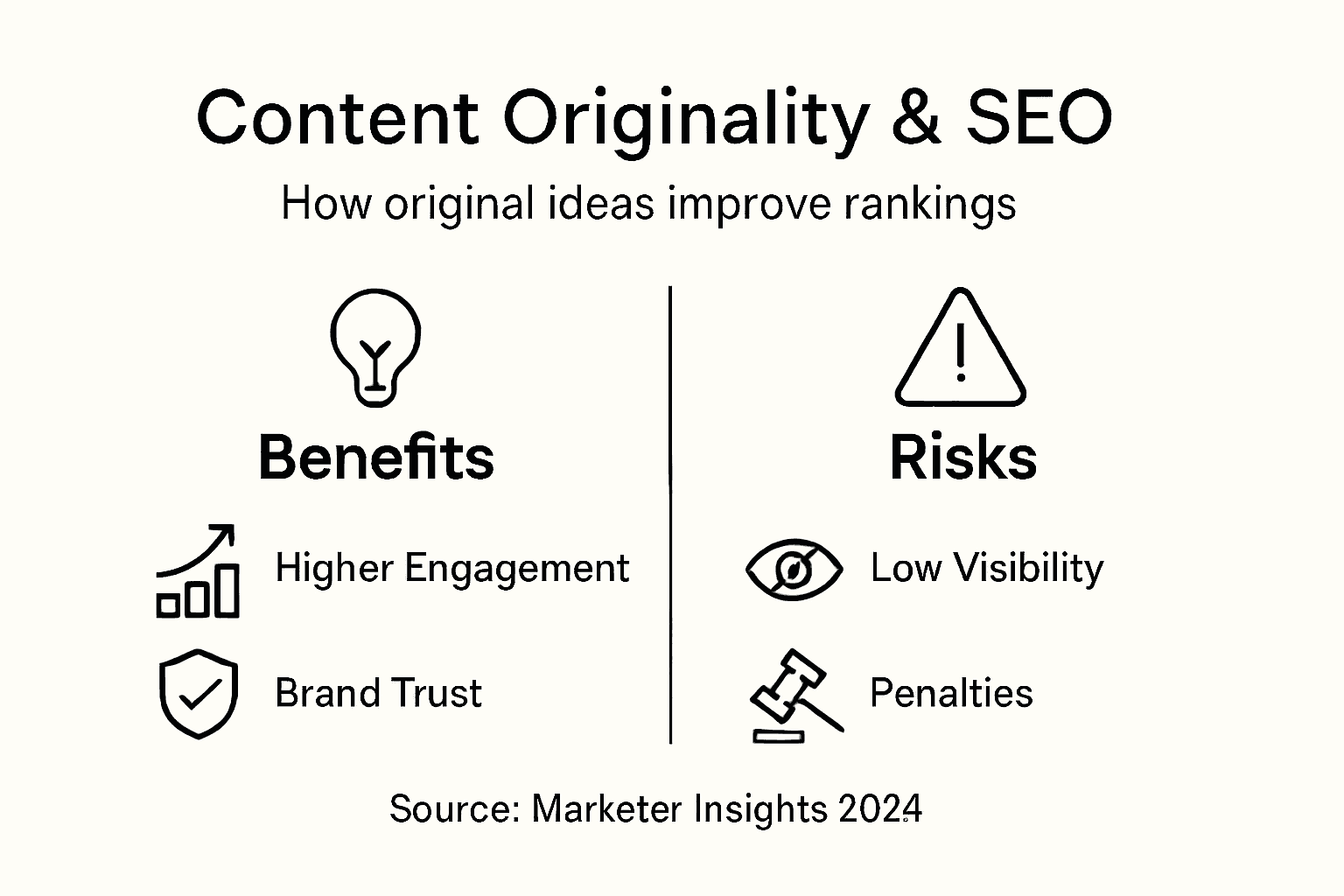
The most effective SEO strategies focus on creating content that answers user questions comprehensively while presenting information from a distinctive angle. This involves deep research, personal expertise, and the ability to synthesize complex ideas into clear, engaging narratives. Original content attracts higher engagement metrics like longer time-on-page, lower bounce rates, and increased social sharing - all signals that search engines interpret as indicators of high-quality, relevant material.
Key SEO Originality Strategies:
Originality Ranking Factors:
Pro tip: Conduct regular content audits to identify opportunities for adding unique perspectives and updating existing materials with fresh insights.
The digital landscape has dramatically transformed plagiarism detection, moving beyond simple text comparisons to sophisticated technological approaches. Plagiarism detection methods now incorporate advanced machine learning techniques that can identify increasingly complex forms of content duplication and unauthorized borrowing.
Modern plagiarism detection tools employ multiple strategies to identify unoriginal content, including string matching, semantic analysis, and machine learning algorithms that can detect paraphrased or subtly modified text. These sophisticated systems go beyond traditional word-for-word comparisons, analyzing contextual meaning, writing style, and structural patterns to identify potential originality issues. Artificial intelligence has significantly enhanced the ability to detect nuanced forms of plagiarism, including cross-language translations and AI-generated content that attempts to disguise its origins.
The most challenging aspect of contemporary plagiarism detection involves navigating the complex landscape of AI-generated content. As generative AI tools become more advanced, the lines between original and derivative work become increasingly blurred. Content creators must now contend with sophisticated technologies that can generate seemingly unique text while potentially drawing from existing sources without proper attribution. This creates a complex ethical and technical challenge for marketers, academics, and content professionals seeking to maintain genuine originality.
Key Plagiarism Detection Challenges:
Emerging Detection Strategies:
Pro tip: Implement a multi-layered content verification process that combines automated detection tools with human expert review to ensure maximum originality and authenticity.
Unoriginal content represents a significant threat to brand reputation, audience engagement, and digital marketing effectiveness. Major platforms are increasingly penalizing unoriginal content strategies by reducing visibility and restricting monetization opportunities for brands that fail to create authentic, distinctive materials.
The consequences of relying on unoriginal content extend far beyond immediate platform penalties. Brands risk substantial reputation damage, diminished audience trust, and decreased engagement rates when their content appears derivative or lacks genuine value. Modern consumers have become sophisticated content consumers who can quickly recognize and dismiss recycled or AI-generated materials that do not provide unique insights or perspectives.
Platforms and algorithms have evolved sophisticated mechanisms to detect and limit the reach of unoriginal content. This means brands employing copy-paste strategies or generating low-quality, repetitive materials will experience dramatic reductions in organic reach, search rankings, and audience interaction. The digital ecosystem now demands content that demonstrates creativity, provides substantive value, and reflects genuine expertise rather than superficial information reproduction.
Critical Risks of Unoriginal Content:
Long-Term Brand Impact Factors:
Here is a comparison of how original and unoriginal content impact key marketing goals:
| Marketing Goal | Original Content Benefit | Unoriginal Content Risk |
|---|---|---|
| SEO Ranking | Higher positions, more trust | Lower rankings, penalties |
| Brand Authority | Establishes expertise | Weakens credibility |
| Audience Engagement | Increases interaction levels | Reduces participation |
| Social Sharing | Promotes wider distribution | Limits organic reach |
| Long-term Loyalty | Builds trust and retention | Damages relationships |
Pro tip: Develop a content creation framework that prioritizes unique perspectives, original research, and meaningful audience value over quantity and quick reproduction.
Authenticity in content creation requires a strategic, multifaceted approach that goes beyond simple plagiarism avoidance. Ensuring originality demands systematic research and critical thinking about how unique perspectives can be developed and communicated effectively.
Successful content authenticity involves several key practices: conducting original research, developing personal insights, maintaining meticulous citation practices, and creating content that reflects genuine expertise. This means moving beyond surface-level information gathering to deep exploration of topics, integrating personal experiences, and presenting information through a distinctive analytical lens. Content creators must approach their work as intellectual contributors, not mere information reproducers.
Practical implementation of authenticity requires establishing robust content creation workflows that prioritize originality. This includes developing comprehensive research processes, maintaining detailed notes and source documentation, utilizing plagiarism detection tools, and creating internal review mechanisms that assess content for genuine value and unique perspective. Marketers and content creators should view each piece of content as an opportunity to demonstrate thought leadership and provide meaningful insights that distinguish their brand.
Key Authenticity Development Strategies:
Content Originality Verification Checklist:
Below is a summary table outlining top authenticity best practices and their intended outcome:
| Best Practice | Intended Outcome |
|---|---|
| Conduct original research | Brings new insights to the audience |
| Integrate unique perspective | Differentiates brand voice |
| Use proper attribution | Avoids credibility issues |
| Employ multi-step verification | Ensures content is truly original |
Pro tip: Develop a personal content creation ritual that includes dedicated research time, reflection periods, and systematic documentation to cultivate consistently original thinking.
Creating authentic, original content that truly engages your audience and boosts SEO is more challenging than ever. The article highlights how originality requires unique perspectives, personal insights, and thorough research to stand out in a crowded digital landscape. Yet, many marketers struggle with maintaining this authenticity while navigating AI-generated content and plagiarism risks.
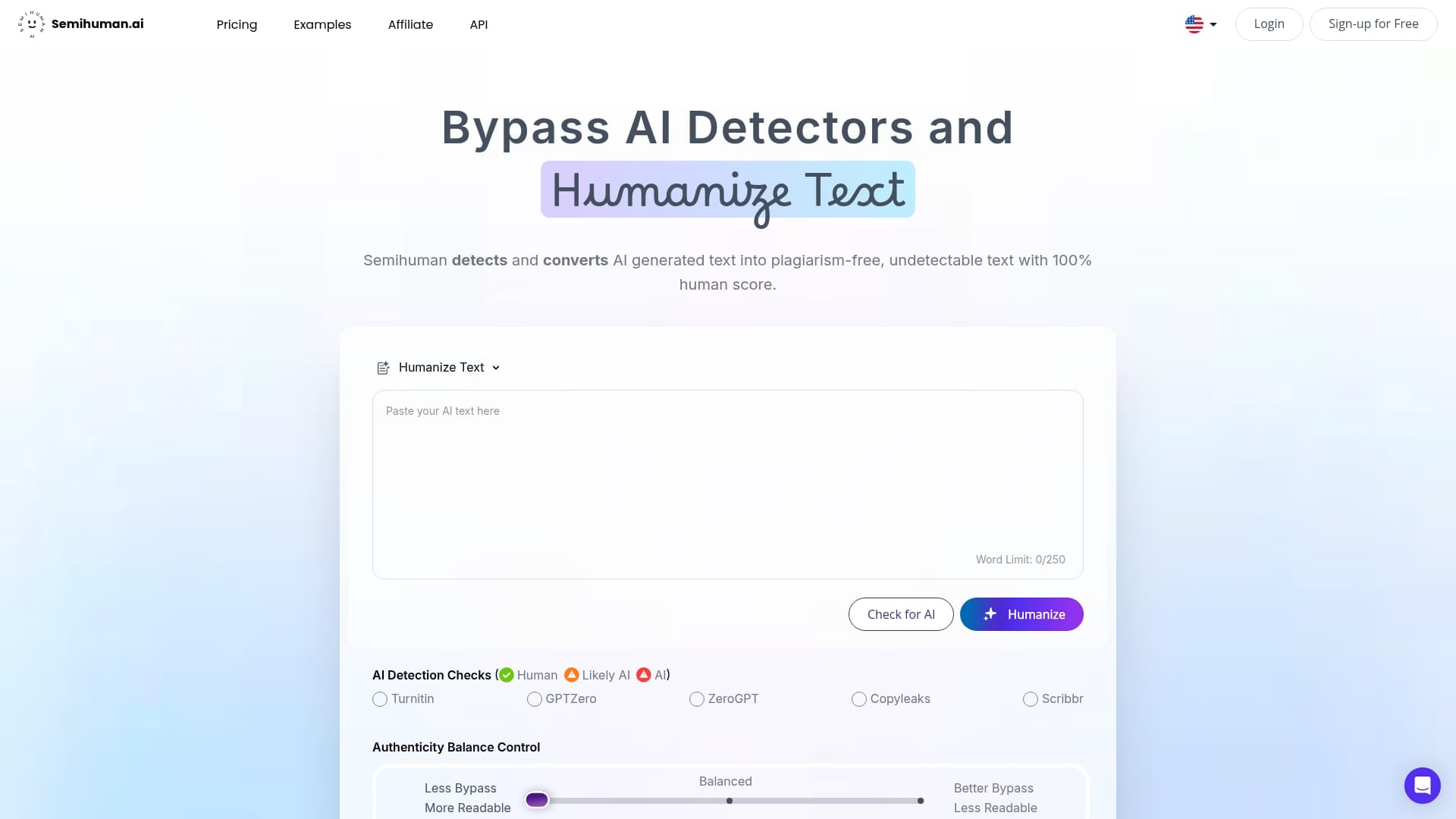
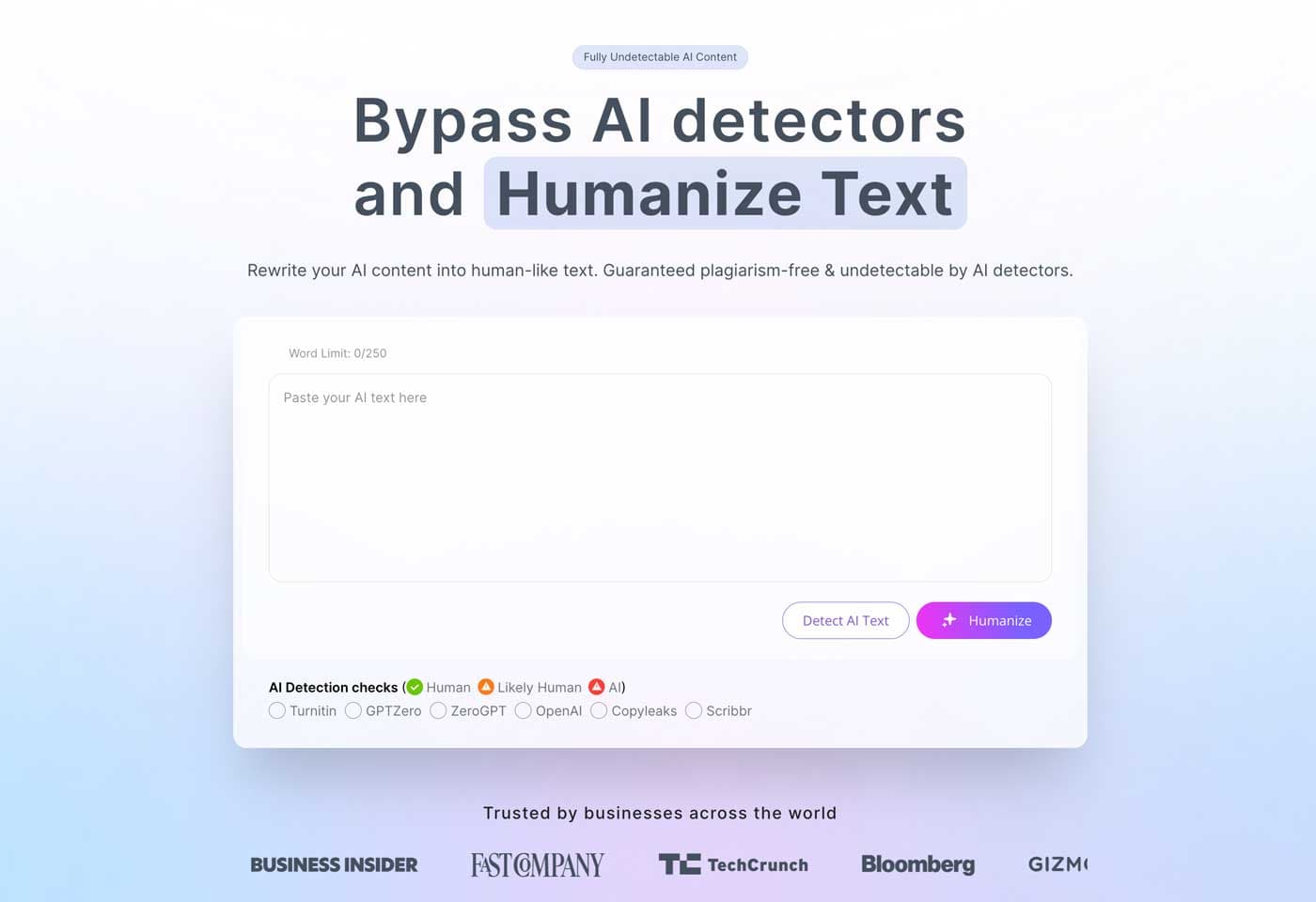
Semihuman.ai offers a powerful AI-powered platform designed to transform AI-produced text into naturally human-like content that resonates with readers and meets strict originality standards. By restructuring text, integrating keywords seamlessly, and helping evade AI detection tools like Turnitin and GPTZero, our platform enables you to maintain intellectual integrity and enhance your brand credibility with ease. Discover how our solution supports your goals of generating genuine, engaging content that thrives in SEO and builds lasting audience trust.
Ready to ensure your content always reflects true originality and human creativity Visit Semihuman.ai now to start transforming your AI-generated drafts into authentic narratives that search engines reward and readers value. Don’t let unoriginal content damage your brand Take action today and secure your position with truly original marketing materials.
Content originality refers to creating unique perspectives that provide genuine value rather than merely avoiding plagiarism. It is crucial for marketers as it enhances brand authority, improves audience engagement, and boosts search engine visibility.
Original content positively influences SEO rankings by providing fresh insights and comprehensive analysis. Search engines prioritize content that offers unique perspectives and substantial value, leading to higher search positions compared to repetitive or derivative materials.
Key characteristics of original content include unique analytical perspectives, personal professional experiences, novel interpretations of existing information, connections across different domains, and maintaining intellectual integrity.
Marketers can ensure content authenticity by conducting original research, integrating unique perspectives, maintaining meticulous citation practices, and establishing robust content creation workflows to prioritize originality.


Start
Humanizing
for Free!
Humanize