
Loading...

Standing out as a credible voice is tougher than ever for Digital marketers in North America. Audiences now expect content that's not only compelling but also verifiably genuine. Understanding the complex dimensions of content authenticity helps marketers safeguard trust while meeting search engine demands for transparency, origin disclosure, and minimal manipulation. This article delivers practical insights on creating authentic digital materials that foster true engagement and align with the standards valued by Google and other leading search engines.
| Point | Details |
|---|---|
| Content Authenticity is Essential | Digital marketers must prioritize transparency in origin, intent, and production to build trust with audiences. |
| AI Content Requires Careful Management | Implement robust verification and editing processes to ensure AI-generated materials are authentic and maintain brand voice. |
| Authentic Content Boosts SEO | Strategies that prioritize authenticity lead to improved user engagement and higher ranking potential in search algorithms. |
| Legal Compliance is Critical | Marketers must stay informed about evolving regulations regarding AI content to mitigate intellectual property and ethical risks. |
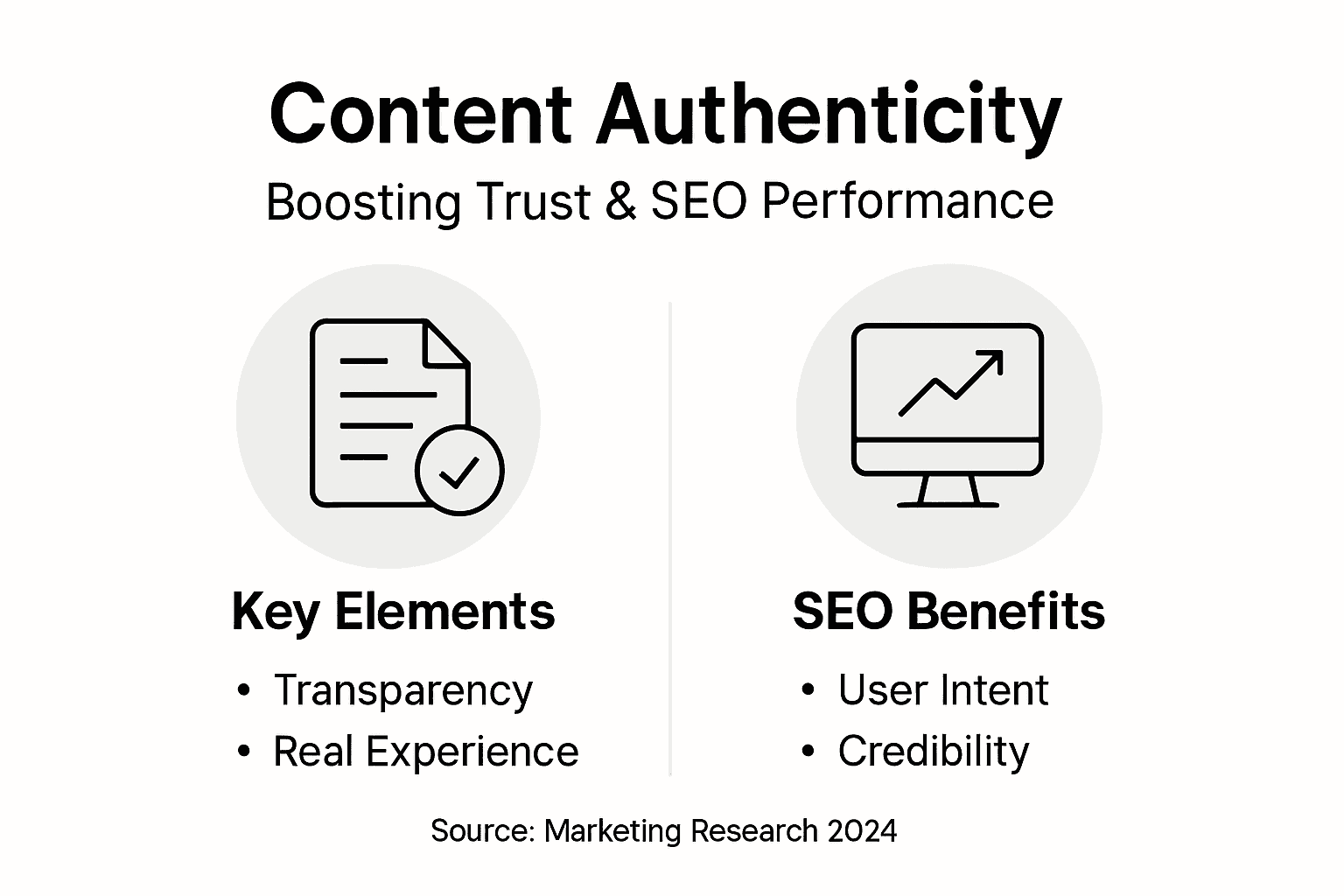
Content authenticity in digital marketing represents a critical strategic approach to creating transparent, trustworthy digital communications. Digital content provenance and verification has become increasingly essential as audiences demand greater transparency about content origins.
At its core, content authenticity involves demonstrating the genuine nature of created materials by revealing their source, intent, and unaltered status. Digital marketers must now consider multiple dimensions of authenticity:
The complex landscape of digital marketing requires a nuanced understanding of authenticity. Marketing research highlights authenticity as a multidimensional concept involving real, genuine, and truthful traits. This means moving beyond simple factual accuracy to create content that resonates emotionally and demonstrates genuine value.
Authentic content builds trust by showing vulnerability, sharing real experiences, and connecting with audiences through honest storytelling. It's not about perfection, but about presenting information in a way that feels human, relatable, and transparent.
Pro tip: Conduct periodic content audits to ensure your digital materials maintain high authenticity standards by reviewing origin, intent, and production methods.
Authentic content in digital marketing encompasses various types and requires sophisticated detection methods to maintain integrity. Detection approaches include linguistic, statistical, and machine learning techniques that help marketers distinguish between human-generated and AI-produced content.
The primary types of authentic content can be categorized into several key dimensions:
Advanced content detection methods have evolved to address the growing complexity of digital communication. Hybrid detection systems combine natural language processing with artificial intelligence to assess content authenticity with remarkable precision. These systems analyze multiple factors including:
Marketers must understand that authenticity is not just about avoiding plagiarism, but creating content that genuinely connects with audiences. This means developing materials that reflect real experiences, provide genuine value, and maintain transparent communication standards.
Here's a comparison of common authentic content types and their unique business benefits:
| Content Type | Example Usage | Unique Business Benefit |
|---|---|---|
| Narrative Content | Personal brand stories | Builds emotional loyalty |
| Research-Backed Content | Industry data analysis | Enhances authority, trust |
| Expert Commentary | Thought leader quotes | Increases perceived expertise |
| User-Generated Content | Verified testimonials | Drives peer-to-peer trust |
| Transparent Sponsored | Disclosed influencer posts | Ensures regulatory compliance |
Pro tip: Implement a multi-layered content verification process that combines automated detection tools with human review to ensure maximum authenticity.
Authentic content strategies significantly enhance search engine optimization by creating deeper connections with audiences and signaling credibility to search algorithms. Modern search engines prioritize content that demonstrates genuine value, user engagement, and meaningful information.
Key performance indicators that demonstrate authenticity's SEO impact include:
Search engines increasingly value content that aligns with user intent and provides transparent, relevant information. The Expertise, Authoritativeness, and Trustworthiness (E-A-T) framework has become a critical component of ranking algorithms, directly rewarding authentic content creation.

Successful SEO now requires a holistic approach that goes beyond traditional keyword optimization. Marketers must focus on creating content that genuinely answers user questions, provides unique insights, and maintains consistent quality across all digital platforms.
Pro tip: Develop a content authenticity scorecard that evaluates your materials against user intent, originality, and genuine value before publication.
Generative AI challenges existing copyright legal frameworks774095_EN.pdf), creating complex compliance requirements for digital marketers. The rapid evolution of AI-generated content has outpaced traditional legal structures, forcing organizations to develop proactive strategies for managing potential intellectual property and ethical risks.
Key legal compliance considerations for AI content include:
Academic and marketing institutions must develop comprehensive compliance frameworks addressing ethical standards and accountability. These frameworks should focus on creating clear guidelines for AI content generation, protecting intellectual property rights, and maintaining high standards of transparency.
Navigating the complex legal landscape requires marketers to stay informed about evolving regulations, implement robust content verification processes, and maintain a commitment to ethical AI usage. This approach helps mitigate potential legal risks while preserving content authenticity and brand reputation.
Pro tip: Develop a comprehensive AI content compliance checklist that includes legal review, copyright verification, and ethical usage guidelines before publishing any AI-generated materials.
Humanizing AI-generated text requires strategic editing techniques that transform mechanical language into engaging, authentic content. Digital marketers must move beyond raw AI outputs to create materials that genuinely connect with human readers.
Key strategies for humanizing AI text include:
Successful humanization goes beyond simple grammatical corrections. Marketers must carefully deconstruct and rebuild AI-generated text, ensuring each piece sounds natural, conversational, and aligned with brand voice. This process involves understanding subtle linguistic nuances that distinguish human writing from machine-generated text.
The goal is not to completely eliminate AI's efficiency but to enhance its output with human creativity, empathy, and contextual understanding. By strategically editing and refining AI-generated content, marketers can create materials that feel authentic, trustworthy, and genuinely engaging.
Pro tip: Develop a personal editing checklist that focuses on adding emotional depth, varying sentence structures, and removing repetitive AI-generated patterns.
AI content creation presents multiple risks for marketers that require strategic mitigation and thoughtful implementation. Digital marketing professionals must navigate complex challenges while maintaining content quality and authenticity.
Common pitfalls in AI-powered content marketing include:
Effective solutions require a balanced approach to AI content creation that combines technological efficiency with human creativity. Marketers must develop robust review processes that leverage AI's capabilities while preserving authentic, engaging communication.
Successful AI content strategy demands continuous learning, adaptation, and a commitment to quality. This means implementing multi-layered review processes, investing in human editing, and using AI as a collaborative tool rather than a complete replacement for human creativity and insight.
The table below summarizes key risks of AI-generated content and effective mitigation strategies:
| Risk Area | Main Challenge | Mitigation Strategy |
|---|---|---|
| Copyright Ownership | Unclear content provenance | Proactive legal review |
| Brand Voice | Inconsistent communication style | Human editing and oversight |
| Audience Relevance | Off-topic or generic messaging | Audience research and adaptation |
| Factual Accuracy | Misinformation or lack of verification | Rigorous fact-checking |
| Ethical Compliance | Failing disclosure or consent | Transparency and policy adherence |
Pro tip: Create a comprehensive AI content review checklist that includes human editing, fact-checking, and brand voice alignment before publishing any AI-generated materials.
In today’s digital marketing landscape, maintaining content authenticity is more challenging yet crucial than ever. As highlighted in the article "Content Authenticity for Marketers: Boosting Trust and SEO," marketers face obstacles like humanizing AI-generated text, preserving brand voice, and ensuring SEO-friendly genuine content. If you struggle with making AI-produced copy feel natural, trustworthy, and aligned with user intent Semihuman.ai offers the perfect solution.
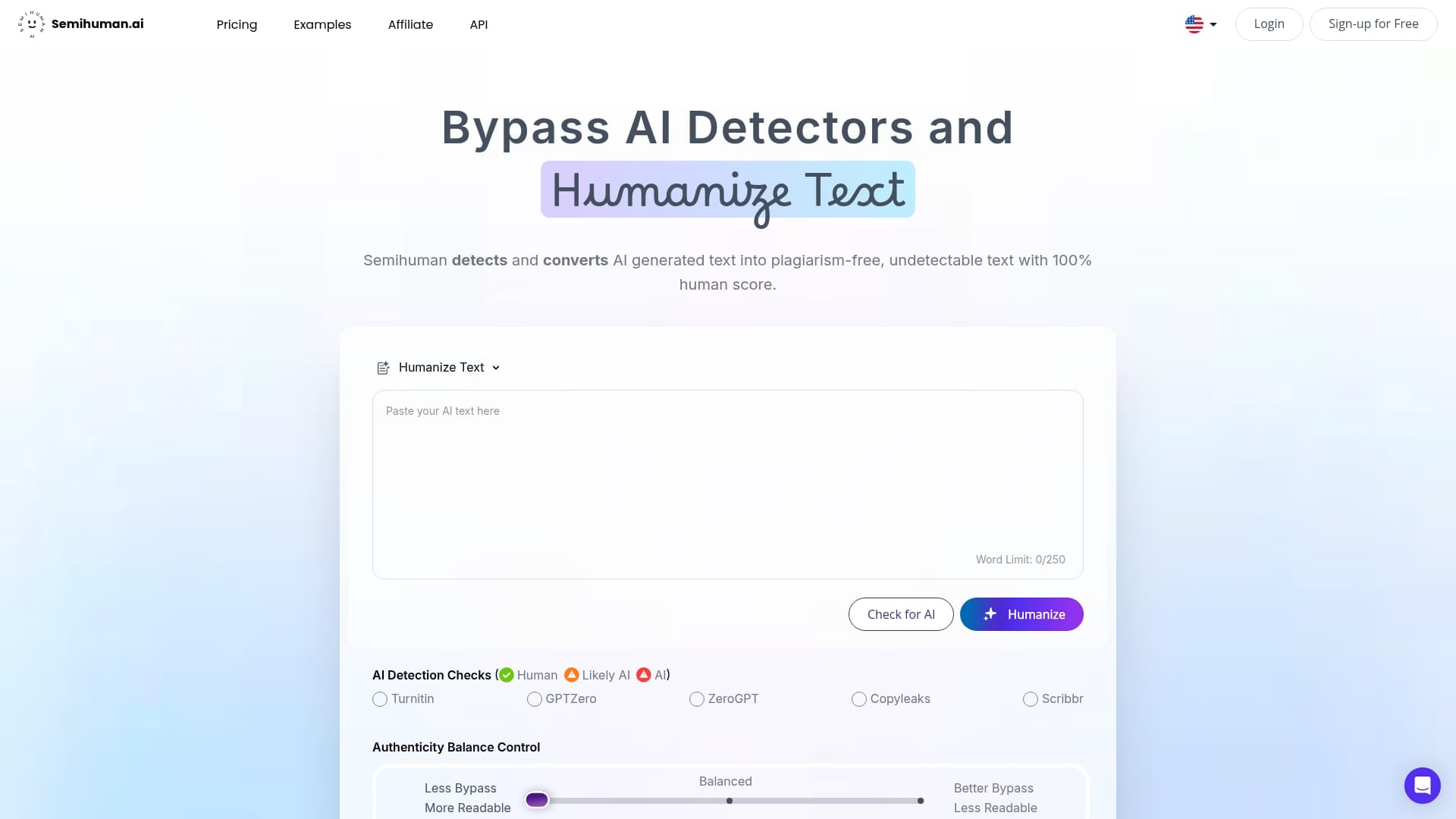
Transform your content creation workflow now with Semihuman.ai, the AI-powered platform engineered to detect and humanize machine-generated text. Our tools help you restructure and personalize your writing to boost SEO rankings, reduce plagiarism risks, and create content that truly connects with your audience. Don’t let your brand voice get lost in generic AI output. Visit Semihuman.ai and start crafting authentic content that stands out in search engines and builds lasting trust today.
Content authenticity in digital marketing refers to the practice of creating transparent and trustworthy digital communications by demonstrating the genuine nature of created materials, including their source, intent, and unaltered status.
Authentic content strategies enhance SEO by fostering deeper connections with audiences and signaling credibility to search engines, which prioritize genuine value, engagement, and relevant information in their ranking algorithms.
Authentic content types include narrative content, research-backed articles, expert commentary, user-generated content, and transparent sponsored materials, all of which provide unique business benefits and resonate with audiences.
Best practices for ensuring content authenticity include conducting periodic content audits, developing a content authenticity scorecard, implementing a multi-layered content verification process, and humanizing AI-generated text through strategic editing techniques.

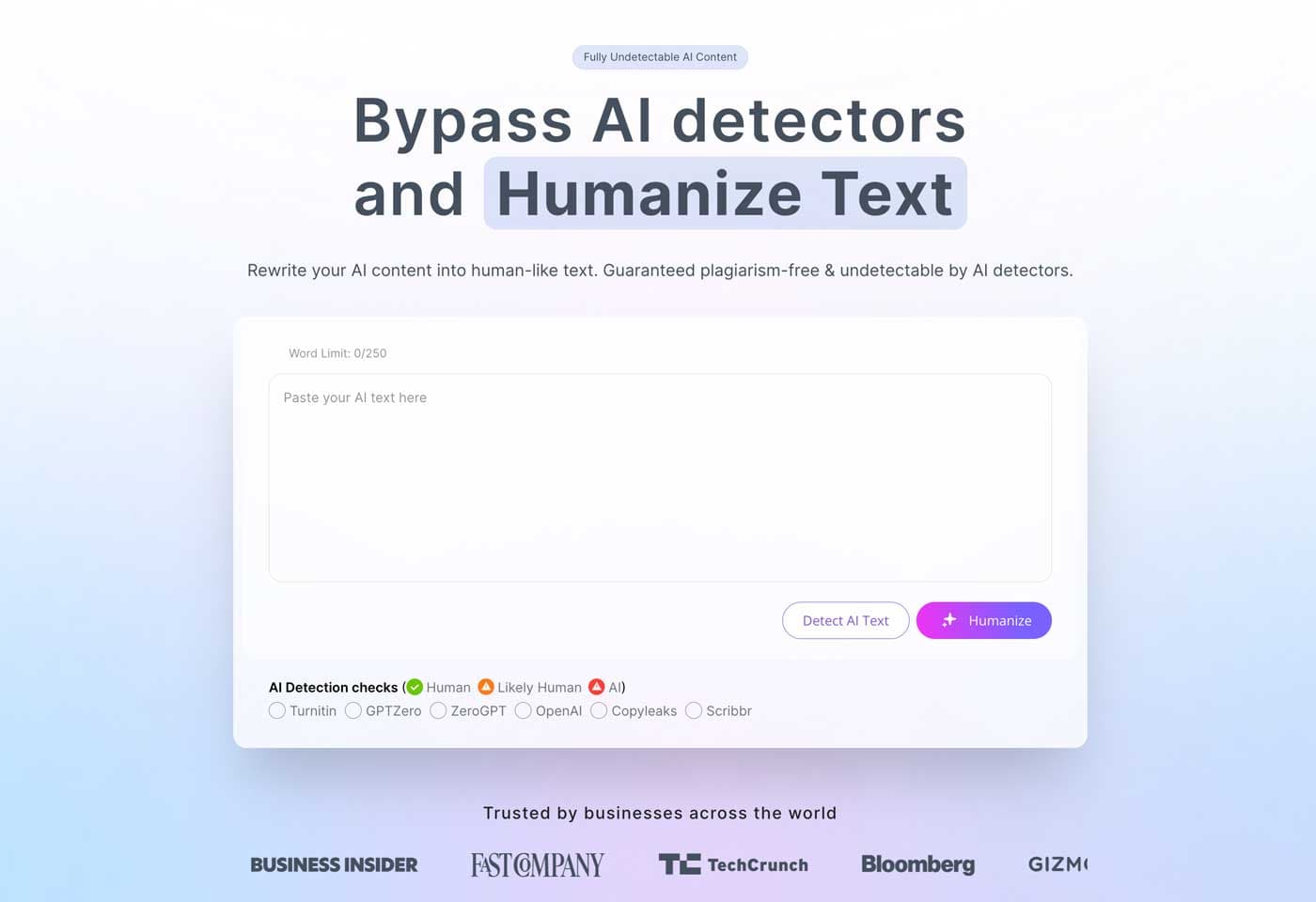

Start
Humanizing
for Free!
Humanize