
Loading...

Trying to create truly authentic content can feel overwhelming with all the AI tools and information overload out there. You want your work to stand out while also being credible and genuine, but knowing how to achieve this is a real challenge for modern marketers and writers.
The good news is that there are clear steps you can take to build both originality and trust in your content. From checking the credibility of your sources to making AI-generated text sound more human, you can apply practical methods for content integrity that actually work.
Get ready to discover the specific strategies that help you write with a real human touch. Each insight in this list will show you exactly how to create content that connects, gets found, and earns trust from your audience.
| Key Insight | Explanation |
|---|---|
| 1. Authenticity Builds Trust | Genuine content that reflects your true voice establishes stronger connections with your audience. |
| 2. Evaluate Source Credibility | Assessing sources systematically enhances content reliability and avoids misinformation. |
| 3. Humanize AI-generated Text | Infusing personal perspective and emotional intelligence transforms robotic writing into engaging content. |
| 4. Integrate Keywords Naturally | Seamlessly woven keywords enhance both readability and search visibility without feeling forced. |
| 5. Review and Revise for Authentic Touch | Human editing introduces subtleties that connect readers emotionally and preserve your unique voice. |
Content authenticity represents more than just original writing. It involves creating meaningful, transparent, and genuine content that resonates with your audience while maintaining intellectual integrity.
At its core, content authenticity means producing material that reflects your true voice, expertise, and perspective. This goes beyond simply avoiding plagiarism or using AI tools. The goal is to craft content that provides real value and establishes trust with your readers.
Key elements of content authenticity include:
Understanding content authenticity becomes increasingly critical in an era where AI-generated content proliferates. Marketers must recognize that authenticity is not just about avoiding detection but about creating meaningful connections.
Authentic content builds trust faster than perfectly polished but impersonal writing.
Marketers can enhance authenticity by capturing human writing behaviors that demonstrate genuine intellectual engagement. This involves showing your unique perspective, citing sources transparently, and focusing on providing genuine insights.
Pro tip: Regularly review your content through the lens of your target audience to ensure it genuinely addresses their needs and reflects your authentic voice.
Evaluating source credibility is a critical skill for marketers seeking to create authentic and trustworthy content. Not all sources are created equal and understanding how to verify information can dramatically improve your content's reliability.
Source credibility involves a systematic assessment of multiple key factors. These include examining the author's expertise, institutional affiliation, publication context, and the objectivity of the information presented. Marketers need a strategic approach to validate their sources and ensure content integrity.
The key elements for evaluating source credibility include:
Not all information is created equal. Your content's credibility depends on the quality of its sources.
Marketers can assess source credibility using systematic methods that go beyond surface-level evaluation. This means looking deeper than just the first page of search results and critically examining the context and background of each source.
While AI tools can help aggregate information quickly, human critical thinking remains essential in determining the true value and authenticity of source material. A careful review process helps prevent misinformation and maintains your brand's reputation for providing reliable content.
Pro tip: Always maintain a skeptical mindset and use multiple credible sources to verify information before incorporating it into your content.
Humanizing AI-generated text transforms robotic content into engaging communication that resonates with readers. Simply generating text is not enough marketers must breathe life into their AI outputs to create authentic connections.
The goal of humanizing text goes beyond grammatical correctness. It involves infusing personal perspective and emotional intelligence into each piece of content. This means moving beyond generic language to create writing that sounds natural and feels genuinely human.
Key strategies for humanizing AI-generated text include:
Authentic writing reflects human complexity language cannot be reduced to mere data points.
Marketers can add critical thinking to machine-written text by challenging the initial output. This involves reviewing the text critically asking questions like What unique perspective can I add? How would I explain this to a friend? What personal experience relates to this topic?
Successful humanization requires understanding your audience deeply. Your content should feel like a conversation not a computational output. Think about how humans actually speak write and communicate in real world contexts.
Pro tip: Read your AI-generated text out loud. If it sounds robotic or unnatural rewrite sections to match how you would naturally speak to a colleague.
Keyword integration is an art form that balances search engine optimization with genuine readability. Effective marketers understand that keywords should flow seamlessly within content rather than feeling forced or mechanical.
The modern approach to keyword usage emphasizes contextual relevance and natural language. Gone are the days of keyword stuffing. Today successful content creators strategically weave keywords into their writing to enhance both user experience and search visibility.
Key principles of natural keyword integration include:
Strategic keywords are bridges between user intent and content discovery.
Marketers can optimize keyword placement for authentic content by understanding the nuanced relationship between language and search algorithms. This means selecting keywords that genuinely reflect the content's core message and integrating them thoughtfully.
Successful keyword integration requires thinking like your audience. Consider the questions they are asking and the language they use when searching for information. Your keywords should feel like a natural part of the conversation not an awkward interruption.
Pro tip: Read your content out loud. If a keyword sounds unnatural when spoken it probably needs refinement.
In the age of AI-generated content marketers must become vigilant guardians of originality. Plagiarism and AI detection risks have transformed from simple copy-paste concerns to complex technological challenges.
The landscape of content authenticity now requires a sophisticated approach to detecting potential duplicate or derivative content. Modern marketers need robust strategies to ensure their work remains original and compliant with evolving digital standards.
Key strategies for mitigating plagiarism and AI detection risks include:
Authenticity is not about avoiding detection but creating genuinely valuable content.
Marketers can detect advanced AI plagiarism risks by combining linguistic analysis with semantic evaluation. This approach goes beyond simple text matching to understand the deeper contextual implications of content generation.
The most effective plagiarism prevention involves a holistic approach that combines technological tools with human critical thinking. Automated checkers provide valuable insights but cannot replace the nuanced understanding that comes from careful human review.
Pro tip: Always cross-reference AI-generated content with multiple plagiarism detection tools and maintain a comprehensive record of your research sources.
Content structure is the architectural blueprint that guides readers through your narrative. A well-designed structure transforms complex information into an engaging, easily digestible experience.
Optimizing content structure involves more than just arranging paragraphs. It requires a strategic approach that considers reader psychology and cognitive processing. Your goal is to create a smooth intellectual journey that keeps readers interested and informed.
Key elements of an effective content structure include:
Great writing guides readers effortlessly from one idea to the next.
Marketers can improve writing structure through careful techniques that prioritize clarity and reader engagement. This means thinking beyond grammatical correctness and focusing on how information is presented and connected.
Successful content structure acts like a well-designed roadmap. It anticipates reader questions provides clear signposts and maintains a rhythm that keeps audiences scrolling and learning. Each paragraph should feel like a natural progression of ideas.
Pro tip: Read your content out loud. If you stumble or lose interest while reading, your audience likely will too.
The final step in content authenticity is perhaps the most nuanced. Reviewing and revising content requires more than grammatical correction it demands preserving the unique human essence of your writing.
Human editing transforms technical or AI-generated text from mechanical to meaningful. It introduces subtle imperfections subtle variations in tone and context that make content feel genuinely alive and connected to real human experience.
Key revision strategies include:
Authentic content breathes with the rhythm of human thought and experience.
Marketers can transform machine-written text through careful editing by focusing on contextual understanding and preserving original intent. This means going beyond surface-level corrections to understand the deeper narrative and emotional landscape of the content.
Successful revision is about connection. Your goal is to make readers feel like they are engaging with a real person sharing genuine insights not consuming algorithmically generated information.
Pro tip: Always set your draft aside for a few hours before final review. Fresh eyes will help you identify and eliminate robotic language more effectively.
Below is a comprehensive table summarizing the core principles and strategies discussed in the article regarding creating authentic and effective content in the current digital landscape.
The challenge of maintaining genuine content authenticity while using AI tools is real and pressing. As the article highlights, avoiding robotic language, ensuring originality, and integrating strategic keywords naturally are crucial steps in creating trustworthy and engaging material. Marketers and creators often struggle with humanizing AI-generated text and mitigating plagiarism risks without sacrificing SEO performance or reader trust.
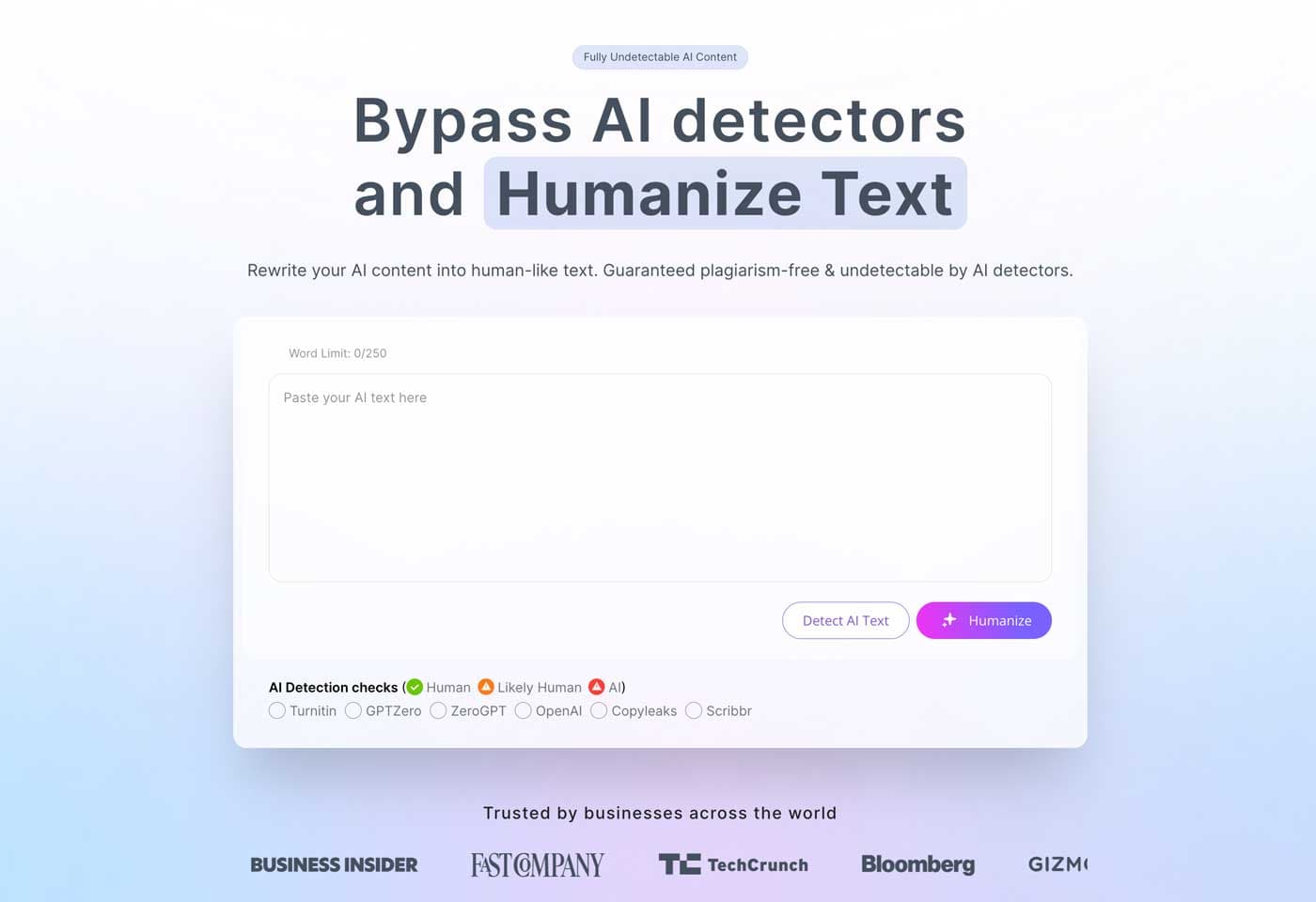
Semihuman.ai is your essential partner to overcome these challenges. This specialized AI-powered platform is designed to detect and humanize AI-produced texts, helping you craft content that resonates with real people and passes AI detection systems like Turnitin and GPTZero. It offers powerful features including text restructuring, keyword integration, and plagiarism reduction to ensure your writing reflects genuine human insight and expertise.
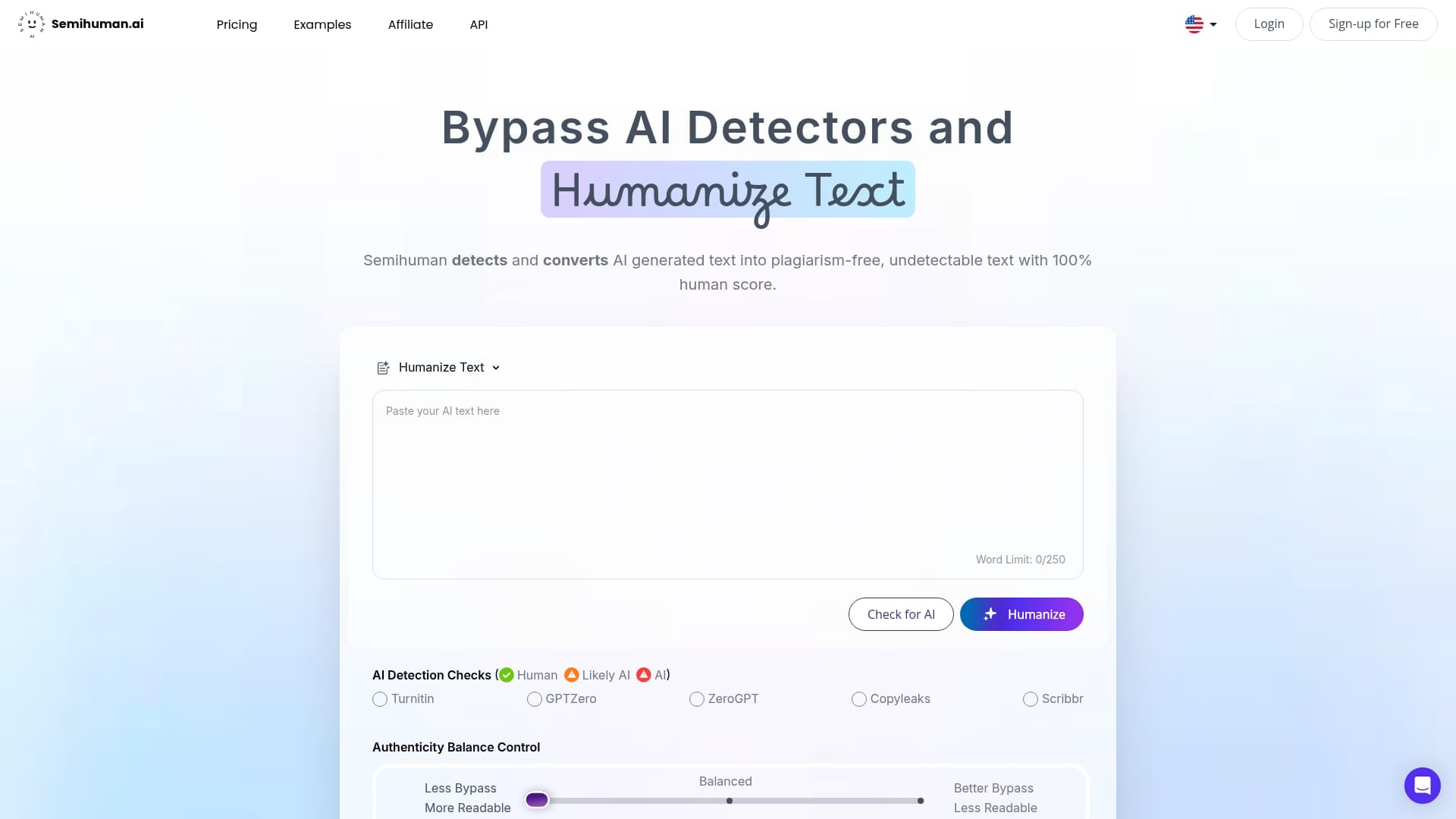
Ready to transform your content with the perfect balance of AI innovation and human authenticity? Take action today by visiting Semihuman.ai and discover how easy it can be to enhance your writing's credibility and engagement. Don't let AI detection risks or robotic wording hold your marketing efforts back. Try the platform now and give your audience the authentic content they deserve.
To ensure your content is genuinely authentic, focus on producing original insights and demonstrating your expertise. Regularly review your writing through the lens of your target audience to address their needs and reflect your genuine voice.
To evaluate the credibility of your sources, check the author's credentials, verify the publication's reputation, and confirm recent publication dates. Implement a thorough review process and cross-reference information with multiple reputable sources.
To humanize AI-generated content, infuse personal anecdotes and emotional nuances into the text. Vary sentence length and structure to create a more conversational tone that resonates with readers and feels authentic.
To integrate keywords naturally, ensure they flow within the context of your content without being forced. Focus on maintaining a conversational tone and prioritize reader comprehension over excessive repetition.
To check for plagiarism and avoid AI detection risks, utilize multiple plagiarism checking tools and develop a robust content review process. Maintain detailed source documentation to ensure your work is original and compliant with digital standards.
To optimize your content's structure for readability, use clear headings and break complex ideas into digestible sections. Implement strategic visual breaks and create a logical narrative flow that guides readers effortlessly through your content.


Start
Humanizing
for Free!
Humanize