
Loading...

Nearly 60 percent of American tech startups report challenges in preserving authentic brand voice as artificial intelligence reshapes content creation. This matters because marketers face unique risks when using AI, from subtle biases that damage credibility to copyright concerns that threaten growth. Discover strategic approaches to strengthen editorial processes, safeguard trust, and keep marketing content genuinely human amidst rapid AI innovation.
| Point | Details |
|---|---|
| Understanding AI Writing Risks | Marketing professionals must recognize the various risks associated with AI-generated content, including accuracy, bias, and transparency issues. |
| Mitigation Strategies | Developing strong review processes, maintaining editorial standards, and implementing clear guidelines for AI usage are essential to manage AI writing risks. |
| Ethical and Legal Considerations | Organizations should navigate copyright complexities and regulatory requirements by establishing robust content verification processes and compliance strategies. |
| Maintaining Brand Integrity | To preserve brand voice and audience trust, it is critical to integrate human oversight into AI-generated content and ensure emotional resonance. |
Artificial intelligence writing technologies are rapidly transforming marketing content creation, introducing complex risks that demand strategic understanding. Marketing professionals must recognize the multifaceted challenges emerging from AI-generated text, ranging from accuracy concerns to potential brand reputation damage. Comprehensive risk frameworks highlight critical dimensions of potential AI writing vulnerabilities.
The core risks in AI writing encompass several key areas. First, accuracy becomes paramount - AI systems can generate content with factual errors or inconsistent messaging that undermines brand credibility. Second, unintended bias presents significant challenges, as AI models may inadvertently reproduce problematic stereotypes or skewed perspectives. Third, transparency issues emerge when audiences cannot distinguish between human and AI-generated content, potentially eroding trust. The research on AI misuses suggests these risks extend beyond simple content generation into broader domains of potential misinformation and brand perception.
Marketing teams must develop sophisticated strategies to mitigate these risks. This includes implementing robust review processes, using AI as an augmentation tool rather than a replacement for human creativity, and maintaining strict editorial standards. Developing clear guidelines for AI content usage, investing in training that helps teams understand AI limitations, and creating mechanisms for ongoing quality control will be essential for navigating this complex landscape.
Pro tip: Implement a mandatory human review process for all AI-generated content, ensuring that at least two team members validate the accuracy, tone, and brand alignment before publication.
AI writing risks have evolved into a complex landscape of potential threats that extend far beyond simple content generation challenges. Comprehensive risk taxonomies have identified multiple domains where AI-generated content can create significant organizational and ethical vulnerabilities. These risks range from subtle communication distortions to more profound systemic challenges that can fundamentally undermine content authenticity and brand integrity.

The primary categories of AI writing risks include discrimination and bias, privacy violations, misinformation, malicious misuse, and systemic reliability issues. Discrimination risks emerge when AI models inadvertently reproduce problematic stereotypes or generate content with skewed perspectives that marginalize specific demographic groups. Privacy risks involve potential unauthorized data usage or inadvertent disclosure of sensitive information through AI-generated text. Misinformation risks represent perhaps the most dangerous category, where AI can generate seemingly credible but factually incorrect content that spreads rapidly across digital platforms. Research on AI misuse domains suggests these risks have far-reaching implications for content integrity and societal trust.
Moreover, AI writing risks extend into nuanced areas of human-computer interaction and socioeconomic impact. Malicious actors can exploit AI writing technologies to generate targeted disinformation, create sophisticated phishing content, or manipulate public perception. The potential for systemic reliability failures means that organizations must develop robust verification mechanisms to ensure AI-generated content meets stringent quality and ethical standards. This requires ongoing monitoring, periodic model retraining, and establishing clear governance frameworks that prioritize transparency and accountability.
Here is a summary of major AI writing risk categories and their business impact:
| Risk Category | Description | Example Impact |
|---|---|---|
| Discrimination/Bias | AI reproduces stereotypes or unfair views | Brand reputation harm |
| Privacy Violations | Inadvertent disclosure of sensitive data | Regulatory fines, loss of trust |
| Misinformation | Creation of factually incorrect content | Public confusion, legal action |
| Malicious Misuse | Use of AI for phishing or manipulation | Fraud, audience manipulation |
| Systemic Failures | Breakdown in content reliability | Audience distrust, compliance risk |
Pro tip: Develop a multi-tiered verification process that includes automated AI content scanning, human editorial review, and cross-referencing against authoritative sources to minimize potential writing risks.
The intersection of artificial intelligence and intellectual property has created a complex legal and ethical landscape for content creators. Copyright complexities surrounding AI-generated content present significant challenges for understanding ownership, originality, and potential legal risks. As AI writing technologies become more sophisticated, the lines between original creation and derivative work increasingly blur, demanding careful navigation of intellectual property frameworks.

Plagiarism detection has evolved dramatically in response to AI writing technologies. Modern detection methods now go beyond traditional string-matching techniques, incorporating advanced machine learning algorithms capable of identifying nuanced forms of content reproduction. Systematic plagiarism research reveals multiple plagiarism types, including verbatim copying, paraphrasing, translation-based reproduction, and conceptual appropriation. These detection challenges are particularly acute with AI-generated content, which can produce text that appears original but may inadvertently reproduce substantial portions of training data.
The copyright implications extend beyond simple text reproduction. Organizations and content creators must now wrestle with fundamental questions about AI-generated content ownership, including whether training data usage constitutes fair use and how to attribute content generated by machine learning models. This requires developing robust verification processes, maintaining comprehensive documentation of AI writing sources, and establishing clear guidelines for content creation that prioritize transparency and ethical standards.
Compare methods for detecting AI-generated plagiarism:
| Detection Method | Strengths | Limitations |
|---|---|---|
| String Matching | Fast, finds exact matches | Misses paraphrased content |
| Machine Learning Models | Detect nuanced similarities | May generate false positives |
| Metadata Analysis | Reveals content origin trails | Not always available |
| Human Review | Contextual, flexible | Time-consuming, subjective |
Pro tip: Implement a sophisticated multi-stage verification process that combines automated AI detection tools, human review, and cross-referencing against original source materials to mitigate plagiarism and copyright risks.
Artificial intelligence presents a critical challenge for maintaining authentic brand communication and audience relationships. Brand management strategies now require sophisticated approaches that balance technological innovation with human emotional intelligence. The core tension lies in preserving the unique personality and nuanced communication style that defines a brand while leveraging AI's content generation capabilities.
The risk of AI-generated content producing generic, impersonal messaging is significant. Brands must develop robust processes that integrate human oversight to ensure content maintains emotional resonance and genuine connection. AI-powered brand management demands a delicate balance between automated efficiency and authentic storytelling. This involves creating comprehensive style guides, implementing multi-stage content review processes, and training AI models on brand-specific language patterns to minimize deviation from established communication standards.
Trust erosion represents the most substantial threat when AI content appears mechanical or disconnected from brand values. Organizations need to prioritize transparency, clearly communicating when and how AI contributes to content creation. Developing ethical guidelines, maintaining human editorial control, and designing AI systems that can mimic brand-specific linguistic nuances will be critical for sustaining audience confidence. This requires ongoing training, regular content audits, and a commitment to preserving the human touch that makes brand communication compelling and trustworthy.
Pro tip: Create a detailed AI content style guide that captures your brand's unique voice, including specific language patterns, emotional tone, and communication principles to ensure consistent and authentic AI-generated content.
The digital marketing landscape is experiencing unprecedented complexity as synthetic content regulatory frameworks evolve to address emerging AI writing challenges. Search engines and regulatory bodies are increasingly scrutinizing AI-generated content, creating significant potential for SEO penalties and legal complications. Organizations must navigate a rapidly changing environment where content authenticity, transparency, and compliance are paramount to maintaining online visibility and brand reputation.
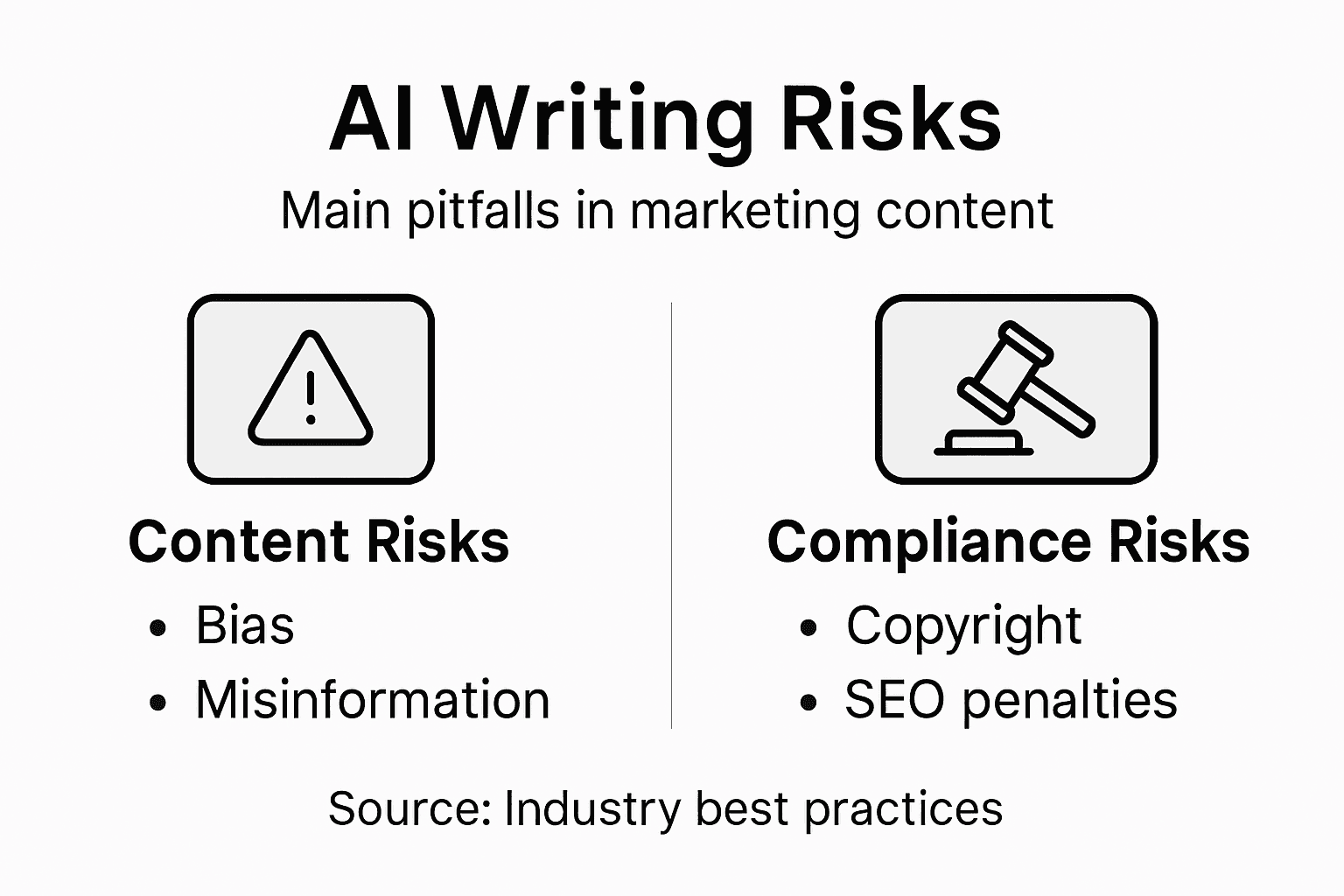
Search engine algorithms have become sophisticated in detecting low-quality, machine-generated content that lacks genuine value. Potential SEO risks include dramatic ranking drops, content devaluation, and potential manual penalties that can devastate online marketing efforts. Global AI risk governance emphasizes the importance of developing comprehensive content strategies that prioritize human oversight, original insight, and clear differentiation between AI-assisted and human-created materials. This requires implementing robust content verification processes, maintaining high editorial standards, and ensuring that AI tools are used as enhancement mechanisms rather than wholesale content replacement technologies.
The regulatory landscape surrounding AI-generated content continues to become more complex and stringent. Emerging legal frameworks are focusing on issues such as intellectual property rights, data privacy, potential misinformation, and algorithmic transparency. Organizations must proactively develop compliance strategies that include detailed documentation of content generation processes, clear disclosure of AI involvement, and ongoing monitoring of regulatory developments across different jurisdictions. This approach helps mitigate potential legal risks while maintaining the innovative potential of AI writing technologies.
Pro tip: Develop a comprehensive AI content compliance checklist that includes verification protocols, regulatory alignment checks, and transparency guidelines to protect against potential SEO and legal risks.
Content authentication strategies have become critical for organizations seeking to maintain integrity in AI-generated content. Navigating the complex landscape of AI writing risks requires a comprehensive approach that combines technological solutions, human oversight, and proactive risk management techniques. Companies must develop sophisticated frameworks that address the multifaceted challenges presented by AI content generation.
Implementing robust risk mitigation strategies involves several key components. First, organizations should invest in advanced content detection technologies that can identify AI-generated text with high accuracy. This includes using sophisticated watermarking techniques, metadata tracking, and synthetic content labeling systems. AI system security practices emphasize the importance of establishing comprehensive governance frameworks that prioritize ethical AI development, continuous monitoring, and rigorous risk assessment protocols. Organizations must create clear guidelines for AI content use, including mandatory human review processes and transparent disclosure mechanisms.
Effective risk reduction also requires a holistic approach to AI content management. This means developing comprehensive training programs for content teams, creating detailed style guides that maintain brand voice and authenticity, and implementing multi-stage verification processes. Companies should establish clear ethical boundaries for AI usage, including strict protocols for fact-checking, avoiding bias, and ensuring original insight. Regular audits, ongoing training, and adaptive risk management strategies will be essential in navigating the rapidly evolving landscape of AI content creation.
Pro tip: Create a comprehensive AI content risk assessment checklist that includes verification protocols, ethical guidelines, and continuous monitoring mechanisms to proactively identify and mitigate potential content risks.
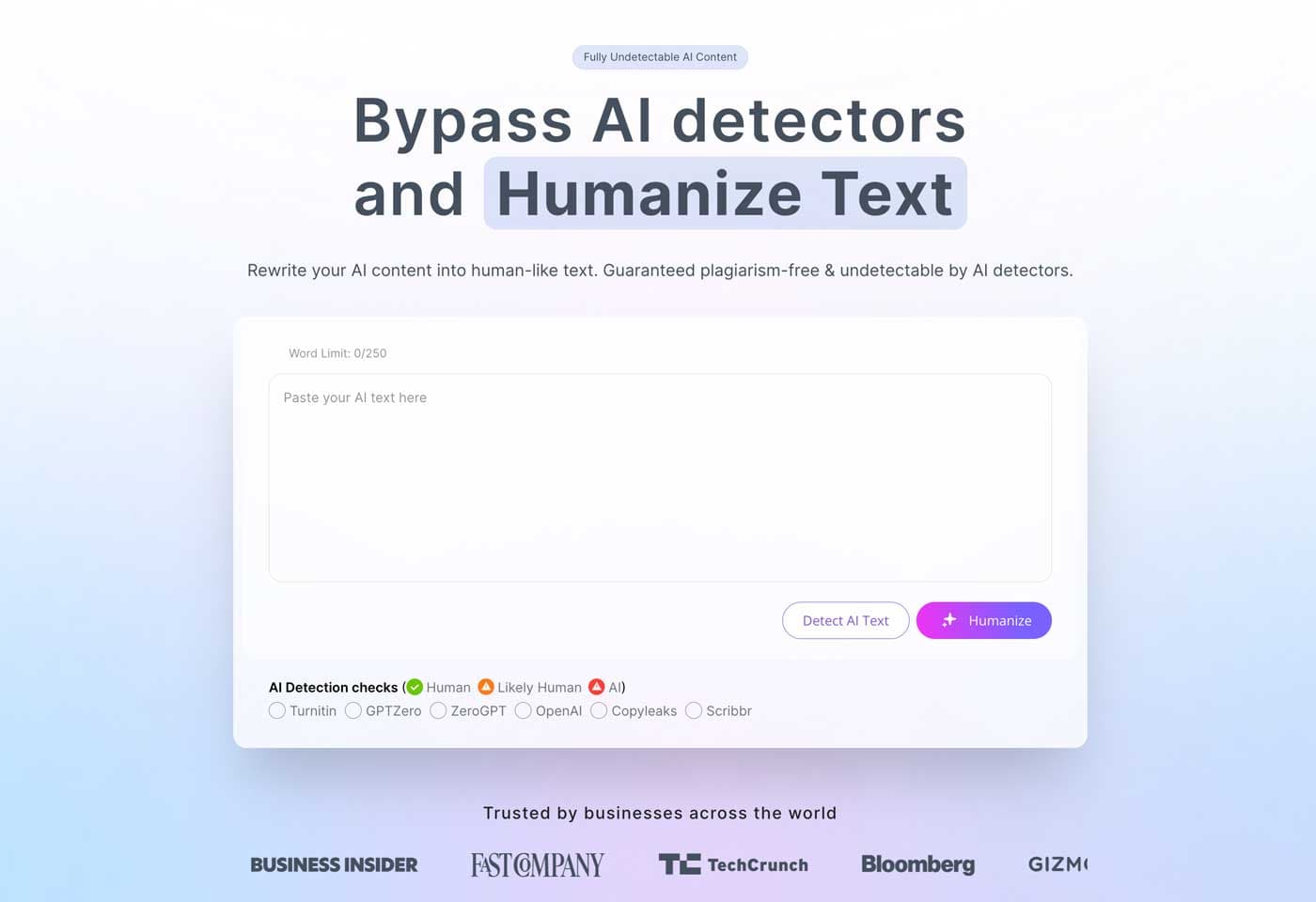
The challenges detailed in "Common AI Writing Risks Shaping Content Strategy" highlight the critical need for content that balances AI-driven efficiency with authentic human touch. Issues like misinformation, plagiarism concerns, and loss of brand voice can cause serious setbacks for marketers and creators. Semihuman.ai addresses these pain points by transforming AI-generated text into natural, human-like content that enhances trust and SEO performance while reducing the risk of detection by AI scanners. This is essential for maintaining audience confidence and complying with evolving digital standards.
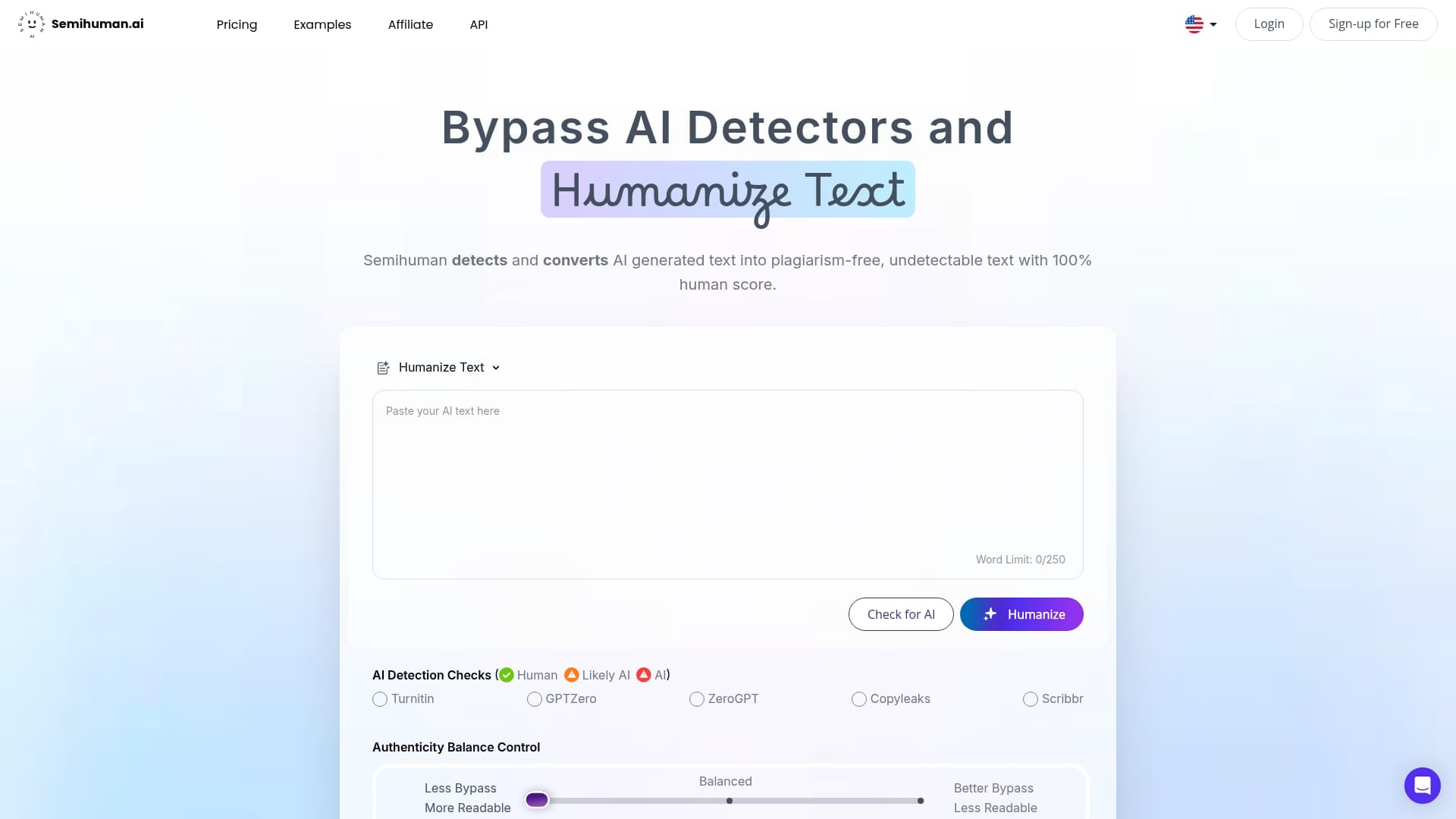
Take control of your AI-powered content strategy today with Semihuman.ai. Visit Semihuman.ai and explore how advanced features like text restructuring and keyword integration can safeguard your brand voice and elevate content authenticity. Discover more ways to protect your writing from plagiarism issues by learning how our platform works at https://semihuman.ai and see why creators trust us to help them stay one step ahead in a complex AI content landscape.
AI writing in content marketing presents several risks, including accuracy concerns, unintended bias, transparency issues, misinformation, and potential brand reputation damage.
Businesses can mitigate risks by implementing robust review processes, using AI as an augmentation tool, maintaining strict editorial standards, developing clear guidelines for AI content usage, and investing in training for teams to understand AI limitations.
Misinformation generated by AI can lead to public confusion, damage brand integrity, and expose businesses to legal actions. It's crucial to verify the accuracy of AI-generated content to prevent these issues.
AI writing can risk producing generic or impersonal content that may erode audience trust. To maintain brand voice, businesses should prioritize human oversight, develop style guides, and ensure AI tools align with their unique communication style.


Start
Humanizing
for Free!
Humanize