
Loading...

Nearly half of American academic journals now flag AI-generated content for special review, spotlighting a new era in scholarly publishing. With AI becoming an integral tool within global research communities, understanding its impact on publication ethics is absolutely crucial for maintaining both authenticity and academic integrity. This article guides researchers and graduate students on defining responsible AI use, complying with ethical standards, and navigating the complexities of human-like content creation in academic writing.
| Point | Details |
|---|---|
| Understanding AI's Role | AI transcends simple automation, posing ethical challenges in authorship, transparency, and integrity within scholarly communication. |
| Responsible AI Use | Researchers should explicitly disclose AI tool usage while maintaining critical human contributions to ensure academic integrity. |
| Risks of Plagiarism | AI-generated content can potentially bypass traditional plagiarism detection, creating challenges for academic authenticity. |
| Global Standards Development | There is a need for harmonized global publication standards to address the varied ethical implications of AI in research. |
Artificial Intelligence (AI) has emerged as a transformative technology in scholarly communication, creating complex ethical challenges that demand rigorous understanding and definition. Systematic scholarly analyses reveal AI as more than simple automation: it represents intelligent systems capable of mimicking human cognitive processes through advanced data processing and machine learning techniques.
Within academic research, AI represents a sophisticated technological ecosystem that goes beyond traditional computational tools. These systems can generate text, analyze complex datasets, recommend research directions, and even draft preliminary manuscript sections. However, this capability introduces profound ethical questions regarding authorship, intellectual property, transparency, and academic integrity. Research ethics boards increasingly recognize that AI challenges existing normative frameworks designed for human-driven research.
Key characteristics defining AI in publication ethics include its ability to process and generate human-like content, learn from existing scholarly literature, and make predictive recommendations. Unlike simple algorithmic tools, AI systems can synthesize information, identify complex patterns, and produce contextually relevant outputs that blur traditional boundaries between human and machine-generated content. This technological capability necessitates developing nuanced ethical guidelines that protect academic integrity while acknowledging AI's potential research contributions.
The table below summarizes core ethical challenges of AI in scholarly publishing:
| Ethical Issue | AI Impact Example | Required Safeguard |
|---|---|---|
| Authorship | AI drafts manuscript text | Proof of human contribution |
| Intellectual Property | AI reuses literature | Attribution transparency |
| Data Authenticity | AI fabricates data | Rigorous data verification |
| Academic Integrity | AI mimics scholarship | Robust disclosure policies |
Pro tip: Develop a systematic approach to documenting AI usage in your research, including specific details about which AI tools were employed and how they influenced your scholarly work.
Responsible AI use in academic writing demands a nuanced approach that balances technological capabilities with core scholarly principles. Ethical guidelines for AI integration emphasize transparency, integrity, and clear documentation of technological assistance throughout the research and writing process. Researchers must recognize AI as a supportive tool rather than a replacement for critical human intellectual contribution.
The primary framework for responsible AI use centers on maintaining academic integrity and intellectual honesty. This involves explicitly disclosing AI tool usage, understanding the limitations of machine-generated content, and ensuring that AI supports rather than supplants scholarly thinking. Emerging academic frameworks recommend treating AI as a collaborative tool that enhances research productivity while preserving the fundamental human elements of critical analysis and original thought.
Practical implementation of responsible AI use requires establishing clear boundaries and protocols. Researchers should use AI for supportive tasks such as grammar checking, reference formatting, preliminary data analysis, and identifying potential research gaps. However, core intellectual work—including hypothesis generation, methodological design, data interpretation, and drawing scholarly conclusions—must remain firmly in human hands. This approach ensures that AI serves as an enhancement to academic work rather than a substitute for genuine scholarly contribution.
The following table contrasts appropriate and inappropriate uses of AI in academic writing:
| Task Type | Appropriate Use Example | Inappropriate Use Example |
|---|---|---|
| Language Editing | Grammar/syntax correction | Altering research findings |
| Reference Management | Formatting citations | Generating fake references |
| Data Analysis | Preliminary statistical checks | Drawing unsupported conclusions |
| Manuscript Drafting | Section summaries for review | Writing entire research sections |
Pro tip: Create a standardized disclosure statement for your research that explicitly details the specific AI tools used, their purpose, and the extent of their involvement in your scholarly work.
The proliferation of AI technologies has dramatically transformed the landscape of academic writing, introducing sophisticated challenges in plagiarism detection and content authenticity. Publication ethics experts warn about the emerging risks of AI-generated content that can circumvent traditional plagiarism screening mechanisms, creating unprecedented challenges for academic integrity.

AI technologies present a complex dual threat to scholarly communication. On one side, they can generate remarkably human-like text that potentially bypasses existing detection systems, while simultaneously enabling unprecedented levels of academic misconduct. Scientific publishing research highlights the critical vulnerabilities in current verification processes, revealing how AI can fabricate data, generate synthetic research narratives, and manipulate scholarly content with increasing sophistication.
The most significant risks emerge from AI's ability to generate contextually appropriate text that mimics authentic scholarly writing. These systems can potentially produce manuscripts that appear original while drawing extensively from existing research databases, creating near-undetectable instances of intellectual appropriation. Researchers and publication platforms must develop advanced technological countermeasures that can distinguish between genuine human-generated scholarship and AI-produced content, requiring continuous adaptation of detection algorithms and verification protocols.
Pro tip: Implement a multi-layered verification strategy that combines technological detection tools with human expert review to comprehensively assess the authenticity of academic manuscripts.
Global publication standards for artificial intelligence in academic writing are rapidly evolving, reflecting the complex challenges introduced by emerging technological capabilities. Academic institutions and publishing houses worldwide are developing comprehensive frameworks that aim to balance technological innovation with scholarly integrity, establishing clear guidelines for responsible AI utilization in research and manuscript preparation.
The international academic community faces significant challenges in creating uniform AI policies across diverse research environments. Scientific analysis reveals substantial inconsistencies in current regulatory approaches, with different regions and disciplines adopting varied strategies for managing AI's role in scholarly communication. These disparities underscore the urgent need for comprehensive, globally harmonized standards that can effectively address the nuanced ethical considerations surrounding AI-assisted research.
Effective global publication standards must address multiple critical dimensions, including transparency of AI tool usage, clear delineation of authorship, prevention of academic misconduct, and maintenance of research integrity. Key considerations include establishing explicit protocols for disclosing AI assistance, defining acceptable levels of machine-generated content, and creating robust verification mechanisms that can distinguish between human and AI-generated scholarly work. These standards must remain flexible enough to accommodate technological advancements while maintaining rigorous academic principles.
Pro tip: Develop a personal checklist for AI tool usage that aligns with your institution's most current publication guidelines and transparently documents all technological assistance in your research process.
Mandatory disclosure frameworks have become critical in addressing the complex ethical challenges introduced by artificial intelligence in academic research. Researchers must now navigate a nuanced landscape where technological assistance requires explicit documentation to maintain scholarly credibility and preserve the fundamental principles of academic transparency.
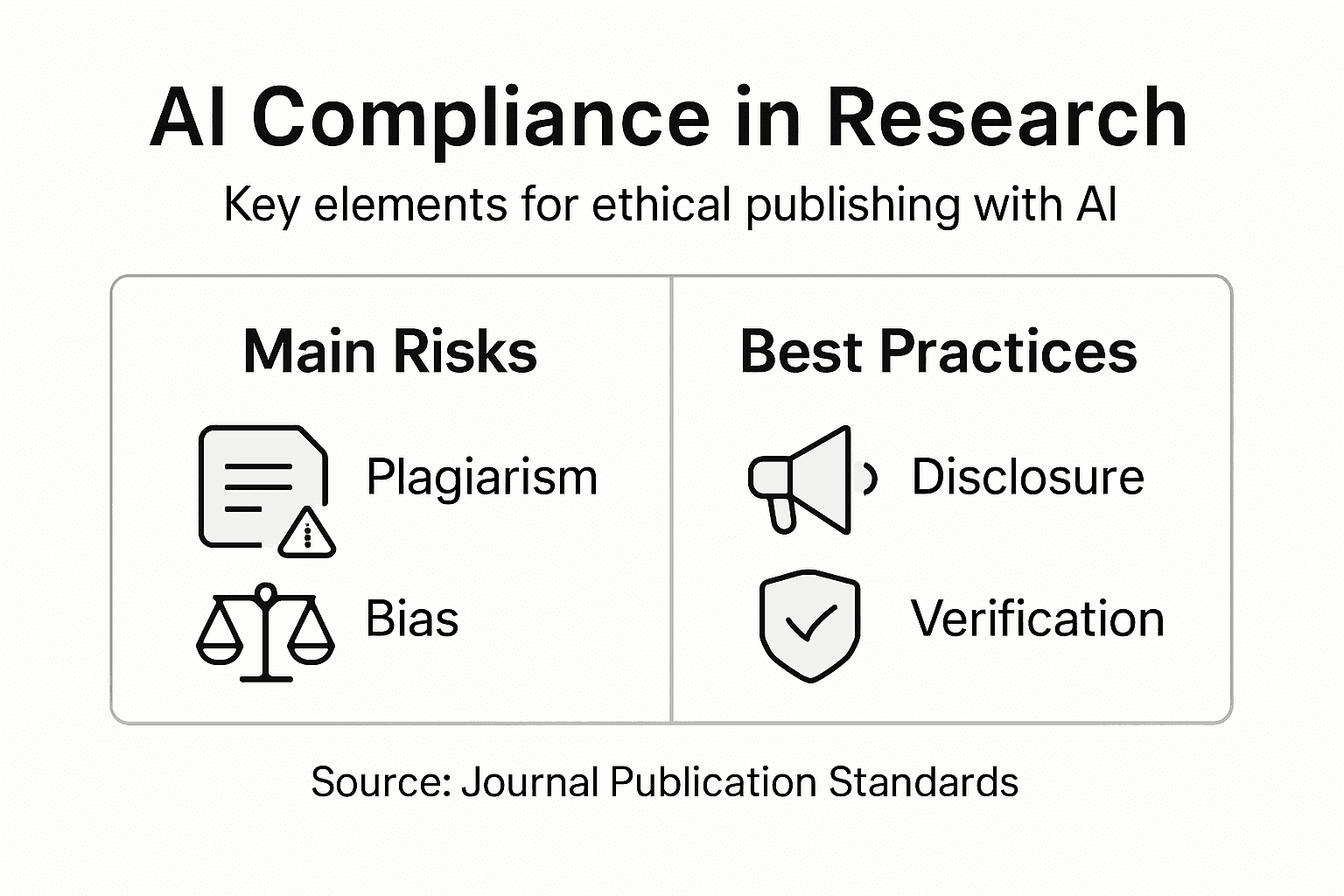
The academic community increasingly recognizes the importance of comprehensive accountability in AI usage. Scholarly publication ethics demand robust mechanisms that distinguish between legitimate technological support and potential intellectual misrepresentation. This involves developing detailed protocols that enable researchers to demonstrate the precise extent and nature of AI involvement in their scholarly work, ensuring that human intellectual contribution remains the primary driver of scientific advancement.
Transparency in research integrity extends beyond simple disclosure, requiring a multifaceted approach that addresses technological assistance at every stage of the research process. Researchers must critically evaluate AI tools, documenting their usage, understanding their limitations, and maintaining clear boundaries between machine-generated content and original human scholarship. This approach necessitates creating comprehensive audit trails that allow peer reviewers and readers to understand the role of AI in manuscript preparation, data analysis, and research design.
Pro tip: Create a standardized AI usage log that tracks every instance of technological assistance, including specific tools used, their purpose, and the extent of their contribution to your research.
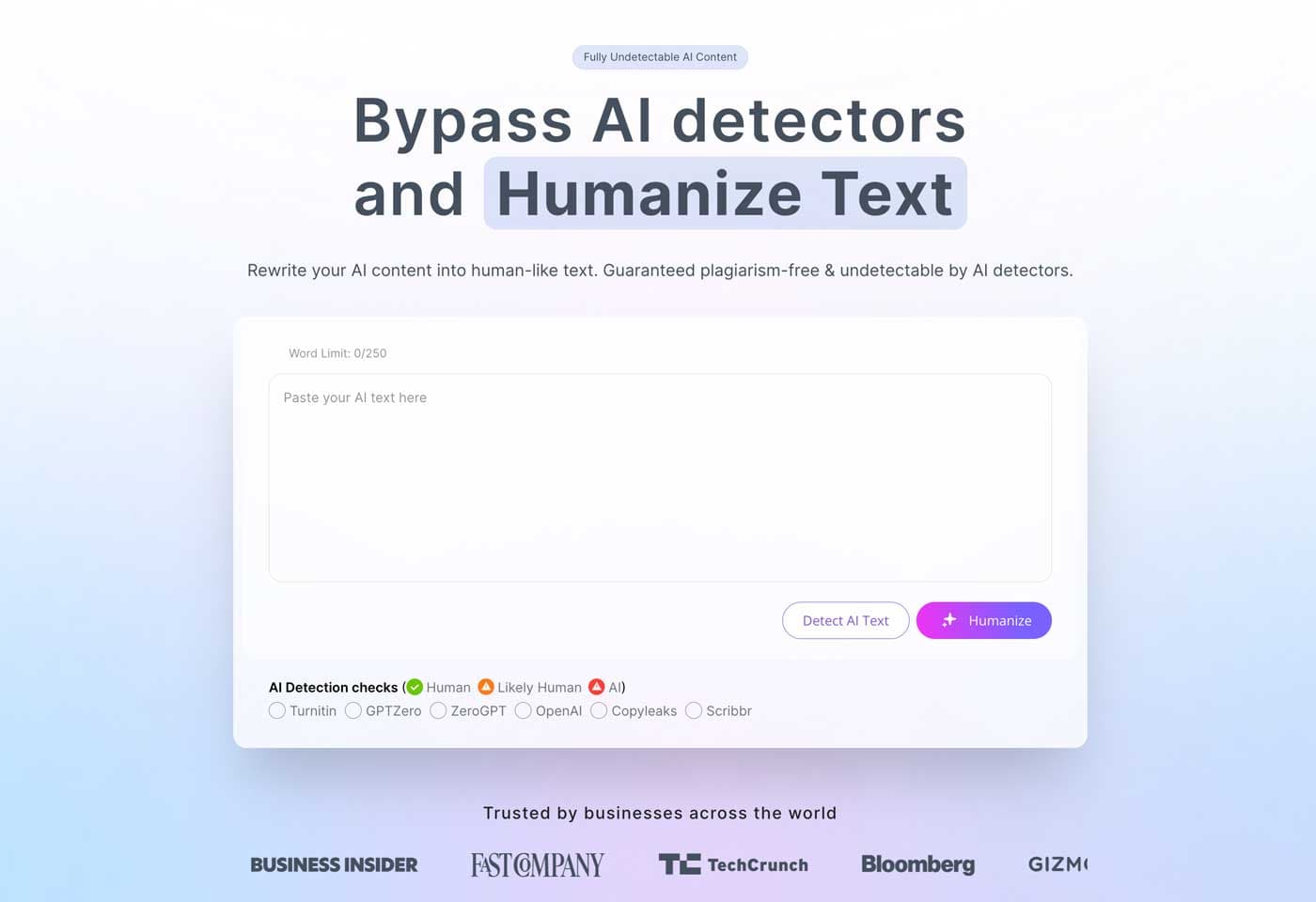
Navigating the complex landscape of AI and publication ethics requires tools that uphold academic integrity while embracing innovation. This article highlights critical challenges such as transparent AI usage, authorship verification, and mitigating plagiarism risks. Semihuman.ai offers a specialized AI-powered platform designed to humanize AI-generated text and ensure your scholarly content maintains authenticity and originality. By restructuring text and integrating keywords naturally, it helps you comply with responsible AI use guidelines and reduce detection by AI plagiarism tools like Turnitin and GPTZero.
Ready to elevate your academic writing and confidently navigate AI compliance? Discover how Semihuman.ai empowers you to produce genuinely human-like content that honors publication ethics. Visit Semihuman.ai to experience seamless AI-human collaboration and safeguard your research credibility today.
AI introduces ethical challenges such as authorship, intellectual property issues, data authenticity, and concerns about maintaining academic integrity in scholarly communication.
Researchers should implement transparent documentation of AI tool usage, including specific details about what tools were used and how they contributed to the research, ensuring that the human intellectual contribution is clearly identified.
The risks include the potential for AI-generated content to bypass plagiarism detection systems and the possibility of academic misconduct, as AI can create text that mimics human writing without adequate attribution.
Global standards are focusing on transparency in AI usage, defined authorship, prevention of academic misconduct, and maintaining research integrity, with the aim of harmonizing guidelines across diverse academic environments.

Start
Humanizing
for Free!
Humanize