
Loading...

Over eighty percent of American marketers are now using artificial intelligence to gain a competitive edge in content creation. As digital channels grow more crowded, finding new ways to stand out is more important than ever. With AI bringing speed, data-driven insights, and hyper-personalization, this guide explores how these breakthroughs are rewriting the rules for content marketing success.
| Point | Details |
|---|---|
| AI Enhances Personalization | AI technologies enable marketers to create hyper-targeted content that resonates with individual user preferences through advanced data analysis. |
| Efficiency in Content Production | AI streamlines content creation processes, allowing for rapid drafting and optimization while maintaining high quality. |
| Ethical Considerations | Organizations must address risks such as data privacy and algorithmic transparency to ensure responsible AI use in marketing. |
| Balancing Technology and Authenticity | Successful content marketing strategies combine AI efficiency with the preservation of genuine human insight and emotional connection. |
Artificial intelligence is fundamentally transforming content marketing strategies, moving beyond traditional approaches to deliver unprecedented personalization and efficiency. AI technologies are enabling marketers to create more targeted, adaptive, and intelligent content experiences that dynamically respond to audience needs.
By leveraging AI-driven content generation techniques, marketing teams can now produce high-quality content at scale while maintaining remarkable precision and relevance. The integration of machine learning algorithms allows content to be tailored instantaneously, analyzing user behaviors and preferences to craft messages that resonate deeply with specific audience segments.
The research indicates that AI's impact extends far beyond content creation. Advanced AI systems are now capable of predicting content performance by analyzing historical engagement metrics, recommending optimal publishing times, and even suggesting content adjustments in real-time. This predictive capability transforms content marketing from a reactive to a proactive discipline.
Key capabilities of AI in content marketing include:
As marketing professionals embrace these technological advances, AI is becoming less of a novelty and more of a strategic imperative for creating meaningful, data-driven content experiences that truly connect with audiences.
Artificial Intelligence is dramatically reshaping content production by introducing unprecedented levels of efficiency and creativity. Modern content creators can now leverage AI technologies to accelerate workflow processes, generate ideas, and produce high-quality content at speeds impossible through traditional methods.

Researchers have documented how AI-driven content generation techniques are transforming creative processes. By integrating advanced machine learning algorithms, content teams can now automatically draft initial content, suggest improvements, and optimize writing for specific audiences and platforms. This technological approach allows marketers to streamline complex content management workflows, reducing manual effort while maintaining exceptional quality standards.
The most significant advantage of AI in content production lies in its ability to analyze vast datasets and generate insights instantaneously. Advanced natural language generation models can now produce draft content, brainstorm creative concepts, and even predict potential audience engagement metrics with remarkable accuracy. These capabilities enable content teams to move beyond traditional creative constraints and explore more innovative storytelling approaches.
Key AI-powered content production capabilities include:
As AI technologies continue evolving, content production is transitioning from a labor-intensive process to a strategic, data-driven discipline that empowers creators to produce more impactful, targeted content with unprecedented speed and precision.

Artificial Intelligence is revolutionizing content targeting by enabling unprecedented levels of audience personalization and engagement. Modern marketing strategies now leverage sophisticated AI algorithms to create hyper-targeted content experiences that resonate deeply with individual user preferences and behaviors.
By analyzing complex user data patterns, AI empowers marketers to develop intelligent content strategies that adapt in real-time. These advanced systems can track user interactions, predict potential interests, and dynamically adjust content recommendations to maximize relevance and engagement. The result is a more personalized, responsive approach to content delivery that feels intuitive and precisely tailored to each individual user.
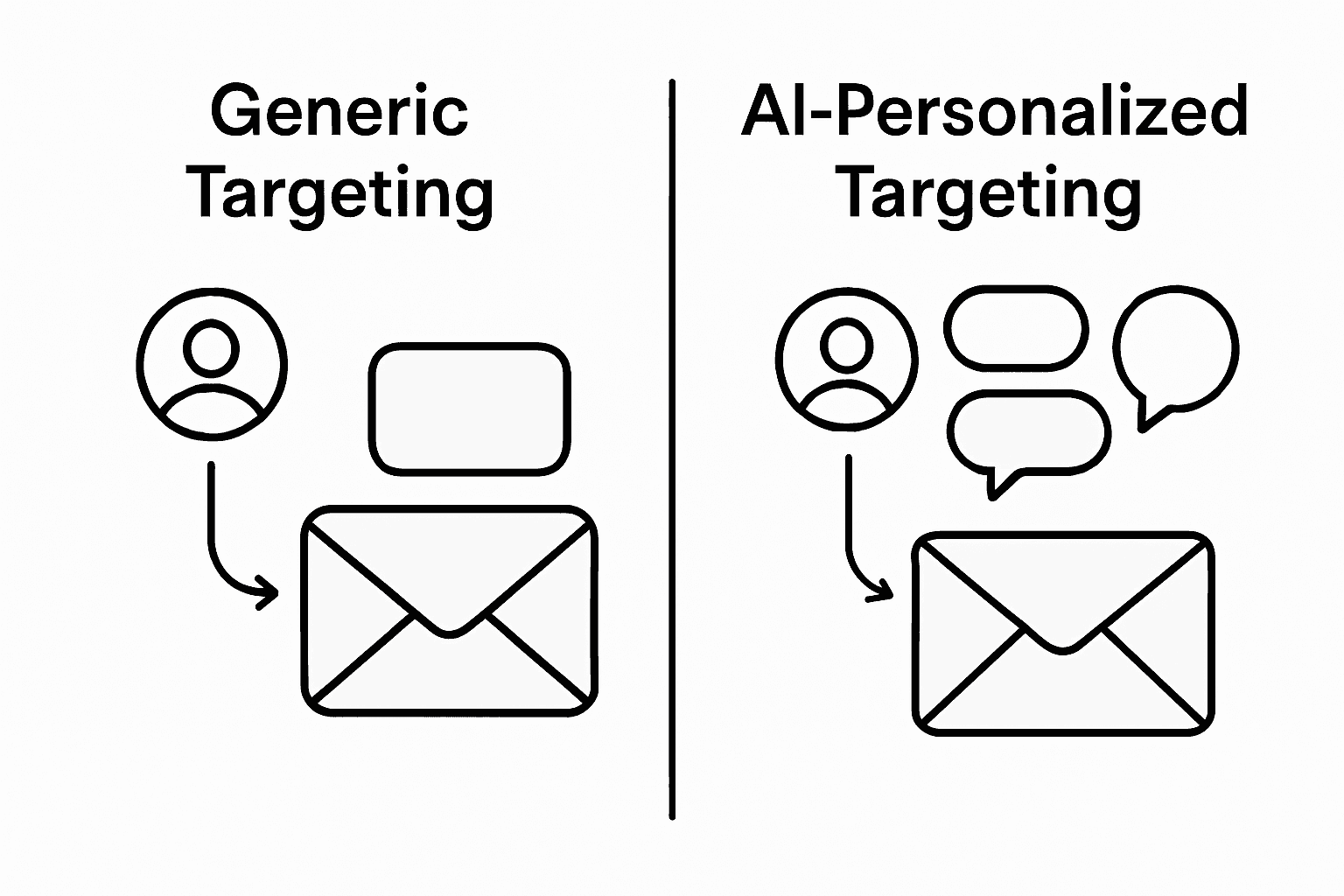
The core strength of AI-driven personalization lies in its ability to process massive datasets and extract nuanced insights about audience segments. Machine learning algorithms can now segment audiences with incredible precision, identifying subtle behavioral patterns that traditional analytics might miss. Advanced content generation models enable marketers to create multiple content variations that speak directly to different user personas, increasing the likelihood of meaningful audience connections.
Key capabilities of AI-powered personalization include:
As AI technologies continue to evolve, content targeting is transforming from a broad, generalized approach to a highly sophisticated, individualized experience that anticipates and meets user needs with remarkable accuracy and efficiency.
Artificial Intelligence presents a complex challenge for content creators seeking to maintain genuine human connection while leveraging technological efficiency. The emerging landscape of AI-powered content demands a strategic approach that preserves the authentic voice and emotional resonance essential to meaningful communication.
Researchers have highlighted the critical need to integrate AI with ethical marketing considerations, ensuring that technological automation does not compromise the fundamental human elements of storytelling. By implementing carefully designed AI tools, content creators can streamline production processes while preserving the nuanced emotional intelligence that distinguishes truly compelling content.
Advanced content automation strategies now enable marketers to develop content that feels both efficiently produced and authentically crafted. Machine learning algorithms can analyze language patterns, emotional tone, and audience engagement metrics to help creators strike a delicate balance between technological precision and human creativity. This approach allows for rapid content generation without sacrificing the personal touch that audiences inherently value.
Key strategies for maintaining authenticity include:
Ultimately, the most successful content marketing approaches will view AI as an enhancement tool that amplifies human creativity, rather than a complete substitute for genuine human insight and emotional intelligence.
Artificial Intelligence in content marketing introduces complex ethical challenges that demand careful navigation and proactive management. As AI technologies become increasingly sophisticated, organizations must develop robust frameworks to address potential risks and maintain responsible technological implementation.
Researchers have emphasized the critical need to address data privacy and algorithmic transparency in AI-driven marketing strategies. The potential for unintended bias, privacy violations, and manipulative targeting represents significant ethical concerns that require ongoing scrutiny and systematic evaluation. Organizations must implement comprehensive oversight mechanisms to ensure AI technologies respect individual privacy and maintain genuine user consent.
Predictive marketing technologies present both extraordinary opportunities and substantial ethical challenges. Machine learning algorithms can potentially create echo chambers, reinforce existing biases, or generate content that manipulates user emotions without appropriate safeguards. Content creators must remain vigilant, consistently auditing AI systems to prevent unintended negative consequences and preserve authentic human agency.
Key ethical considerations in AI content marketing include:
Successful AI integration requires a balanced approach that prioritizes technological innovation while steadfastly protecting fundamental human values and individual autonomy.
The article highlights how AI transforms content marketing by boosting efficiency and personalization while raising concerns about maintaining authenticity and bypassing detection tools. Marketers and creators face the dual challenge of leveraging AI-generated content for speed and scale without losing the genuine human touch that connects with audiences. Key pain points include creating hyper-personalized content, avoiding robotic tones, and navigating sophisticated AI detection systems like Turnitin and GPTZero.
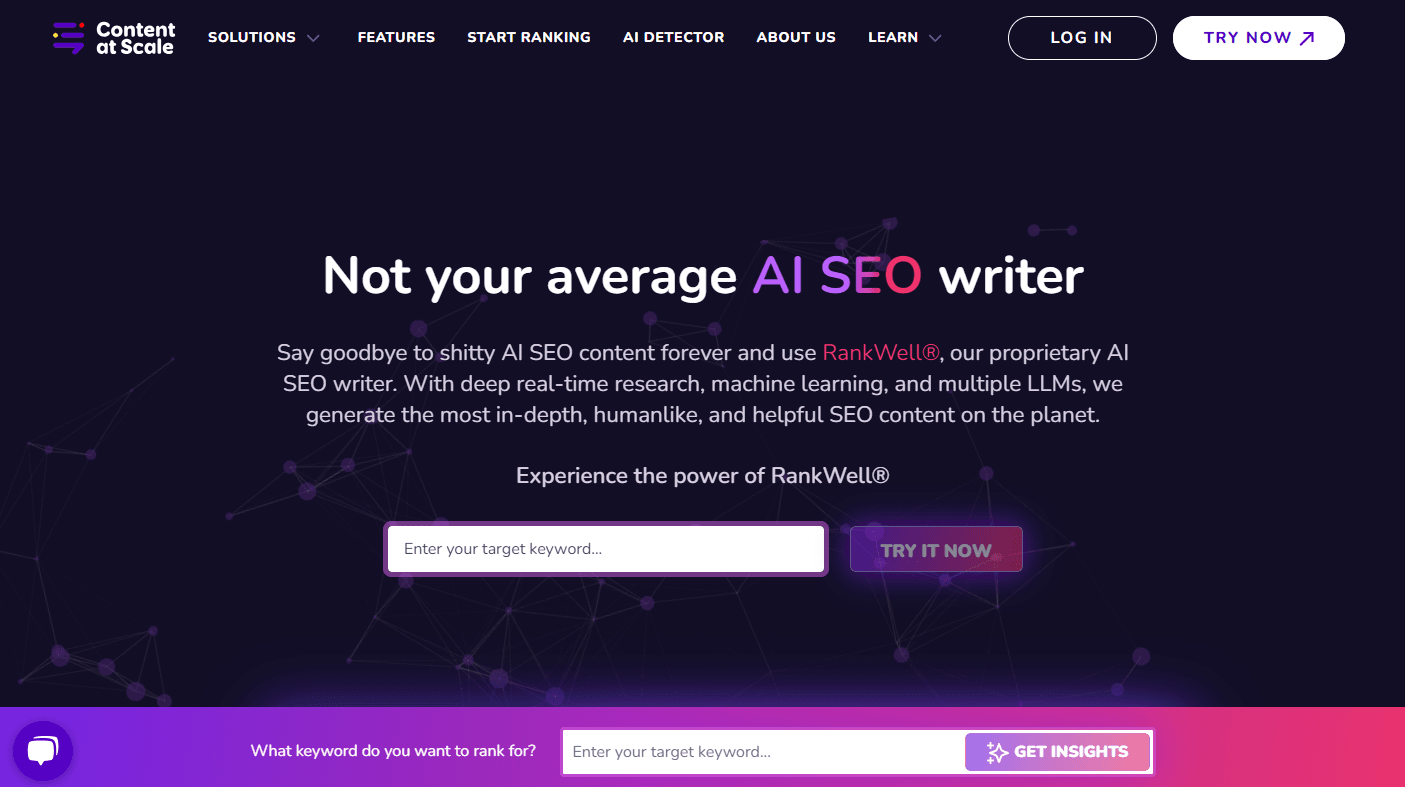
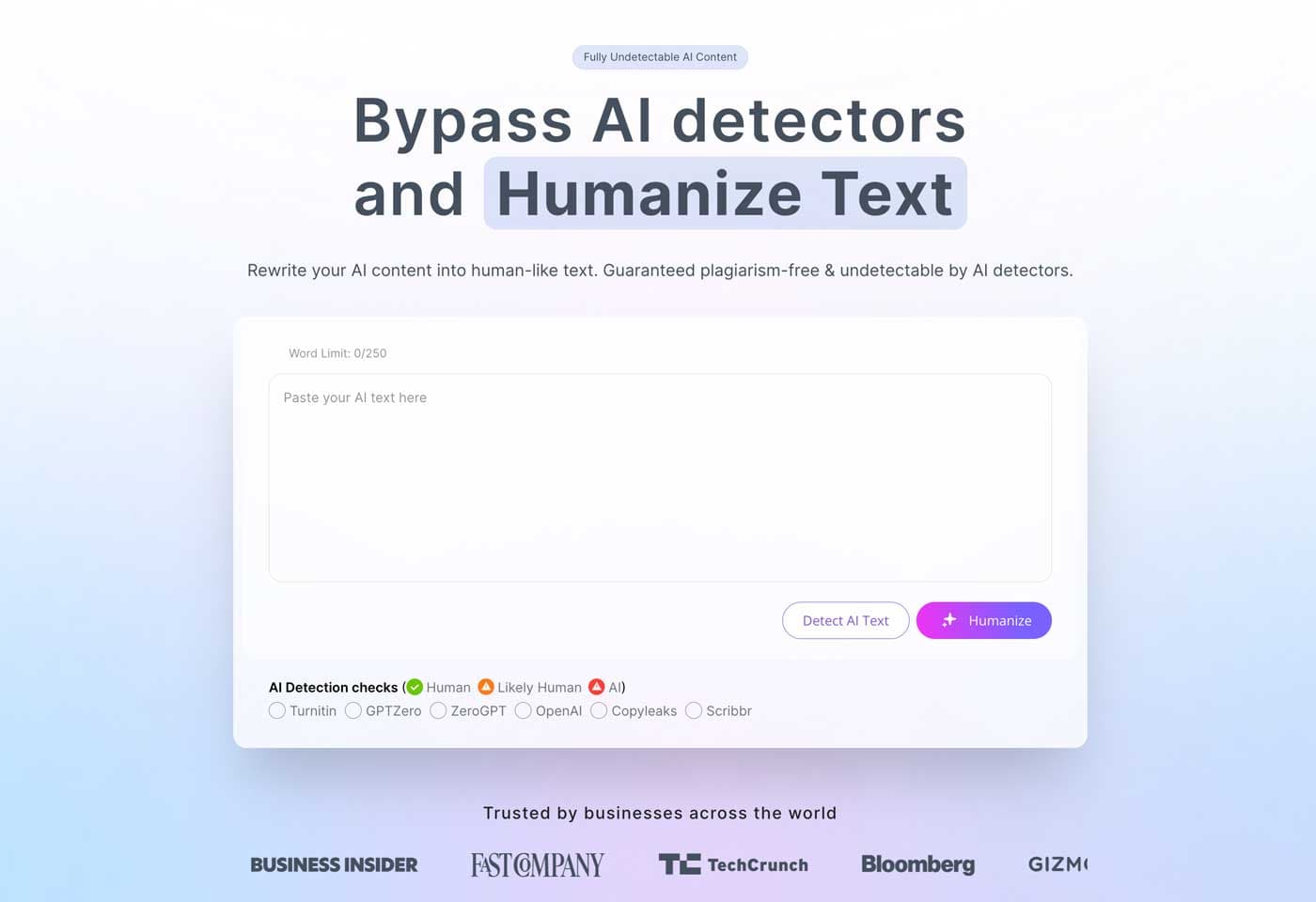
Semihuman.ai is built precisely to address these hurdles. Our AI-powered platform specializes in humanizing AI-generated text to ensure it feels naturally crafted and remains undetected by automated detectors. By offering advanced features such as text restructuring and keyword integration, Semihuman.ai empowers content teams to enhance SEO rankings seamlessly while preserving authentic storytelling. Explore how our solutions fit into your content creation workflow and amplify your marketing results by maintaining the delicate balance between AI efficiency and emotional resonance.
Transform your AI-driven marketing strategy today
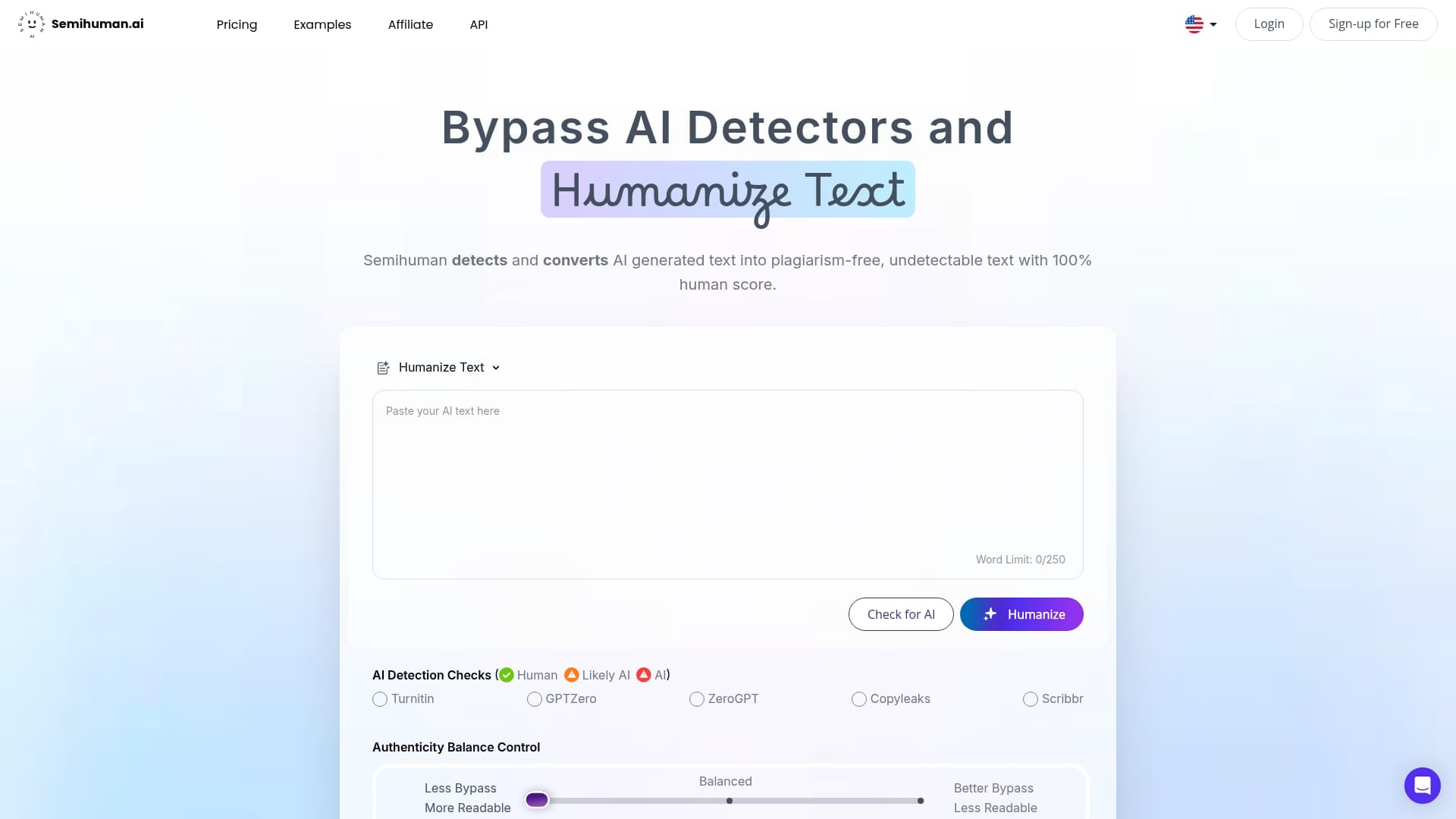
Ready to create content that truly speaks to your audience without compromising authenticity or SEO effectiveness Visit Semihuman.ai now and discover how our platform can humanize your AI-generated text for powerful and compliant content marketing that stands out. Don't wait to turn your AI advantage into meaningful connections.
AI enhances content marketing strategies by enabling personalized, targeted content experiences that respond to audience needs through machine learning algorithms and predictive analytics.
Key capabilities include automated content generation, real-time audience segmentation, predictive content performance analysis, hyper-personalized content recommendations, and dynamic content optimization.
AI can streamline content production by automating drafting processes, providing language optimization, conducting intelligent topic research, and analyzing audience engagement for more effective content.
Important ethical considerations include maintaining transparent data collection practices, preventing algorithmic discrimination, protecting individual privacy, and ensuring meaningful user consent.


Start
Humanizing
for Free!
Humanize