
Loading...

Did you know that over 70 percent of researchers now use AI-assisted tools in their academic work? This shift is changing the face of scholarly communication, making it faster and more precise. With machine learning and natural language processing emerging at every stage of research, academics are finding new ways to analyze data, prepare manuscripts, and share findings more efficiently than ever before.
| Point | Details |
|---|---|
| AI Integration Enhances Research Efficiency | AI technologies are streamlining research workflows, significantly improving processes like manuscript drafting and peer review assistance. |
| Applications in Academic Publishing | AI is automating critical tasks such as plagiarism detection and copyediting, increasingly becoming strategic partners in academic research. |
| Ethical Considerations in AI Use | The rise of AI in scholarly communication raises ethical concerns around authorship, originality, and maintaining research integrity. |
| Best Practices for Responsible Use | Researchers should emphasize transparency in AI tool usage and maintain human oversight to ensure intellectual authenticity. |
Artificial Intelligence (AI) in scholarly communication represents a groundbreaking technological integration transforming how researchers develop, analyze, and disseminate academic work. Machine learning and natural language processing are revolutionizing traditional research workflows, enabling scholars to streamline complex academic processes with unprecedented efficiency.
According to MDPI Blog, AI in scholarly communication encompasses advanced technological applications that automate and enhance various stages of the research lifecycle. This includes critical tasks such as:
Researchers now leverage AI technologies to augment their intellectual capabilities, not replace human expertise. As Routledge explains, AI integration in scholarly communication means using intelligent technologies to enhance research processes, particularly in literature review, data analysis, and manuscript preparation.
The emerging landscape of AI-powered scholarly communication represents a nuanced collaboration between human creativity and computational efficiency. By intelligently applying machine learning algorithms, researchers can now tackle increasingly complex academic challenges with greater speed, precision, and depth.
Academic publishing is experiencing a profound transformation through AI-powered technologies, revolutionizing traditional workflows and introducing unprecedented efficiency across multiple scholarly processes. These intelligent systems are not merely tools but strategic partners in academic research and publication.
Taylor and Francis highlights that AI is now extensively utilized in academic publishing for critical functions such as:
According to International Journal of Future Management Research, academic journals are increasingly employing sophisticated AI tools to streamline complex processes. These advanced systems enable more robust submission handling, peer review management, and editorial decision-making. Particularly noteworthy are AI applications in automated statistical evaluation and compliance verification, which significantly reduce human administrative burden.
The integration of AI in academic publishing represents more than technological convenience—it's a strategic approach to enhancing research integrity, accelerating knowledge dissemination, and creating more transparent, efficient scholarly communication channels. By intelligently processing vast amounts of academic data, these technologies are reshaping how researchers collaborate, validate, and share academic insights.

Here's a comparison of key AI applications in academic publishing:

| Application Area | AI-Powered Benefits | Traditional Workflow |
|---|---|---|
| Manuscript Processing | Automation Faster turnaround | Manual handling |
| Plagiarism Detection | Instant, scalable analysis | Manual checking |
| Copyediting & Proofreading | Grammar/syntax correction | Human review only |
| Content Indexing | Rapid categorization Improved searchability | Manual indexing |
| Error Reduction & Quality | Consistent checks Fewer mistakes | Prone to oversight |
The landscape of academic research and writing has been dramatically transformed by intelligent technological solutions that streamline complex scholarly processes. Modern researchers now have access to sophisticated AI-powered platforms that significantly enhance productivity, accuracy, and collaboration across various research stages.
Authorea represents a cutting-edge example of collaborative research technology, offering researchers an integrated platform for writing, citing, data hosting, and publication. These comprehensive tools enable academics to manage entire research workflows with unprecedented efficiency, breaking down traditional barriers in scholarly communication.
Another groundbreaking platform is SciSpace, an AI-driven research assistant designed to revolutionize scientific article analysis. Researchers can now:
By leveraging these intelligent research tools, academics can transcend traditional limitations, transforming how knowledge is discovered, processed, and shared.
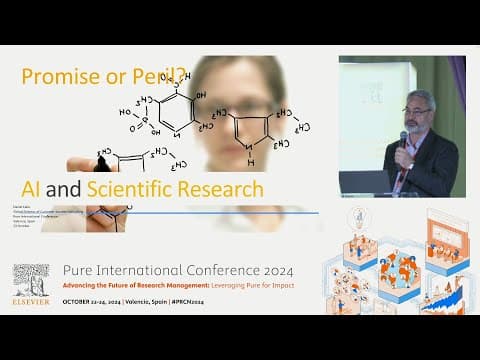 The integration of AI technologies doesn't replace human intellect but instead augments researchers' capabilities, allowing them to focus on deeper analytical and creative aspects of scholarly work. 9 Best Undetectable AI Tools to Humanize AI Text offers additional insights into how researchers can effectively utilize these emerging technologies while maintaining academic integrity.
The rapid integration of artificial intelligence in academic publishing has sparked intense debate about ethical boundaries, intellectual integrity, and the potential for technological manipulation. Researchers and institutions are grappling with increasingly complex questions about the appropriate use of AI tools in scholarly communication.
Wits University highlights critical ethical concerns surrounding AI in academic publishing, particularly focusing on fundamental issues of:
According to arXiv Research, the proliferation of AI technologies poses significant challenges to academic publishing systems. The potential for overwhelming journal submission processes and misusing intelligent technologies demands comprehensive institutional reforms and stringent ethical guidelines. Academic communities must develop robust frameworks that balance technological innovation with intellectual honesty.
Navigating these ethical challenges requires a nuanced approach that recognizes both the transformative potential of AI and the irreplaceable value of human creativity. How to Bypass AI Detection provides insights into understanding these complex technological interactions while maintaining academic standards and research integrity.
The integration of artificial intelligence in scholarly work demands a strategic and ethical approach that balances technological innovation with academic integrity. Researchers must develop a nuanced understanding of how to leverage AI tools effectively while maintaining the fundamental principles of scholarly communication.
Wits University emphasizes critical best practices for responsible AI use, focusing on:
According to MDPI Blog, researchers should strategically employ AI tools for routine academic tasks while preserving human intellectual oversight. This means using AI for supportive functions like grammar checking, literature searching, and data processing, but never substituting human critical thinking and creative analysis.
Navigating the complex landscape of AI in scholarly communication requires continuous learning and adaptation. Can Professors Detect Chat-GPT? provides additional insights into understanding the evolving technological and ethical dimensions of AI integration in academic work.
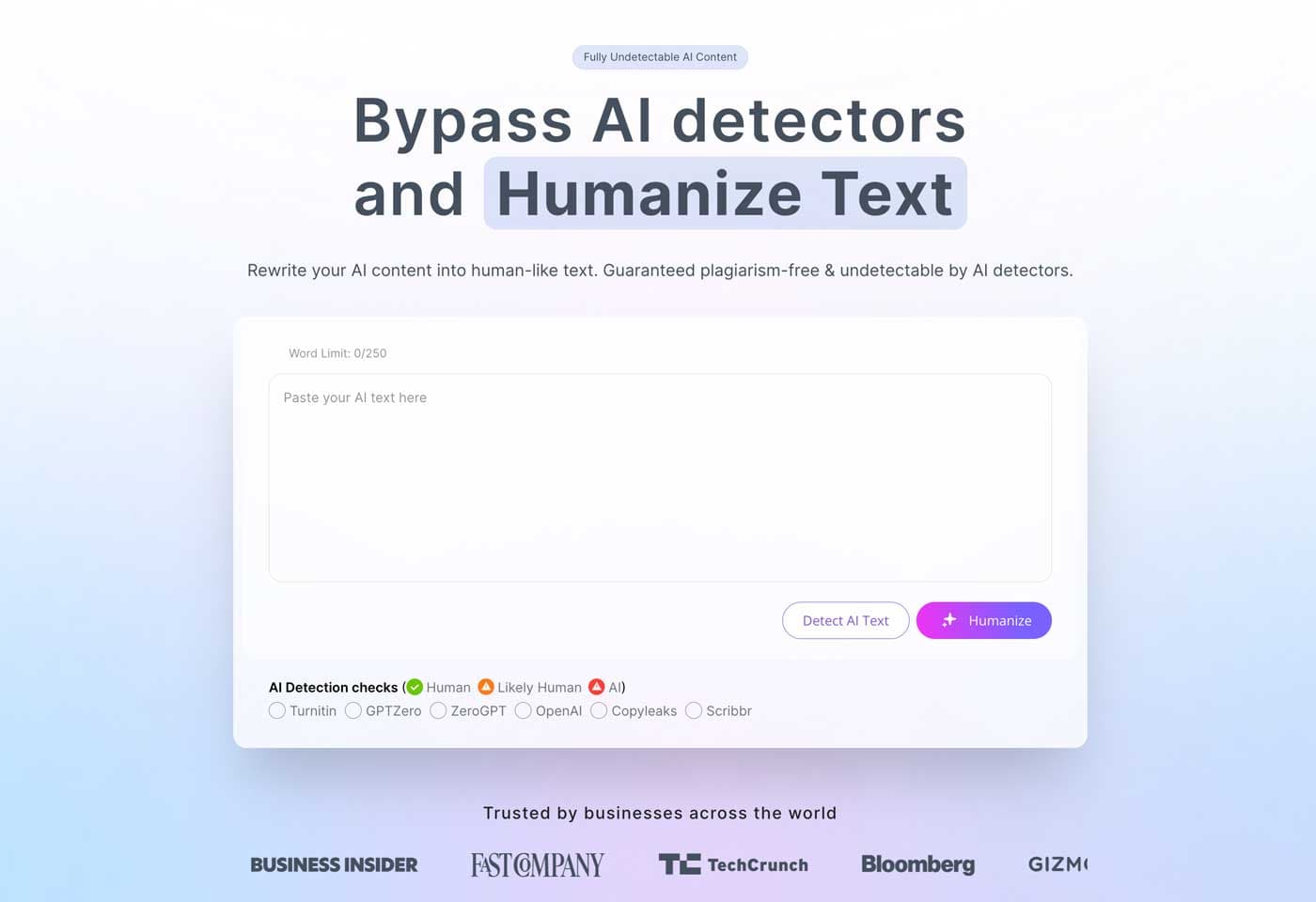
Navigating the ethical challenges and detection risks of AI in academic publishing can feel overwhelming. This article highlights key concerns like authentic authorship, content originality, and transparency in research methodology. If you want to maintain your intellectual integrity while benefiting from AI, using a tool that balances automation with a natural human touch is essential. Semihuman.ai specializes in transforming AI-generated text into authentic, human-like content that bypasses detection tools such as Turnitin and GPTZero. It helps researchers and students preserve their unique voice and research originality.
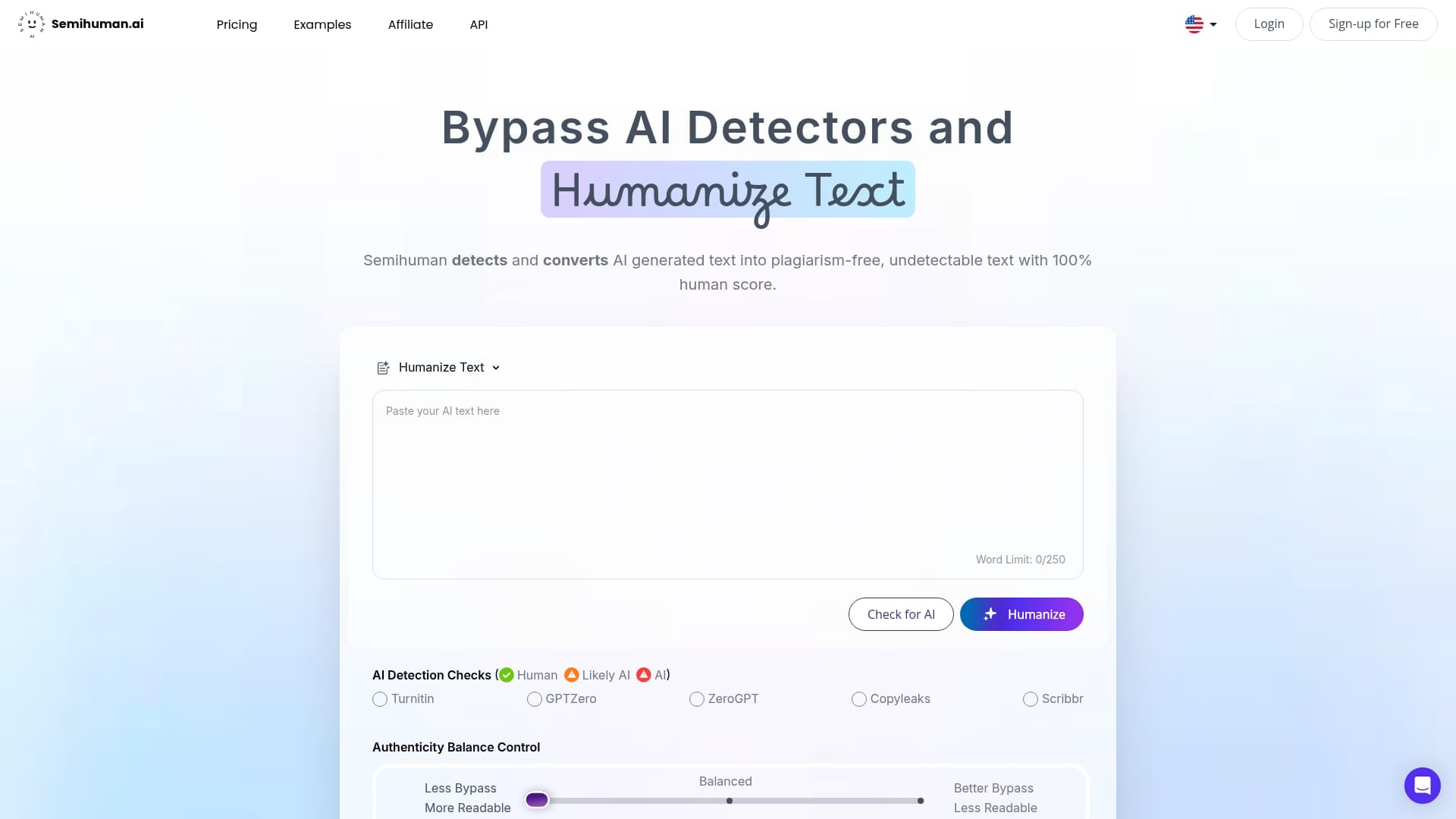
Discover how you can safely and effectively integrate AI into your scholarly communication by visiting Semihuman.ai. Unlock advanced features like text restructuring and keyword integration so your work remains credible and compliant. Don't let detection hurdles and plagiarism concerns hold back your academic growth. Start enhancing your AI-assisted writing today with humanized content solutions that meet the highest standards of academic integrity.
AI is utilized for manuscript drafting and editing, literature review analysis, data processing, peer review assistance, and publication preparation.
AI improves academic publishing through automation of manuscript processing, plagiarism detection, copyediting, content indexing, and quality control, resulting in faster and more efficient workflows.
Key ethical concerns include authorship attribution, content originality, detection evasion, transparency in research methodology, and intellectual property rights.
Researchers should distinguish between AI-assisted and AI-generated content, ensure transparency in methodology, disclose AI tool usage, verify AI-supported research, and maintain intellectual ownership.


Start
Humanizing
for Free!
Humanize