
Loading...

Over 60 percent of American email marketers now use AI tools to craft campaigns that feel genuinely human. For small to mid-sized e-commerce businesses, creating content that stands out—and avoids being flagged as robotic—can be the difference between connecting with customers and getting lost in crowded inboxes. This guide uncovers how to harness AI for emails that not only engage but also slip past detection and truly resonate with readers.
| Point | Details |
|---|---|
| AI in Email Marketing Enhances Personalization | AI technologies enable highly personalized email campaigns through data analysis, improving engagement and effectiveness. |
| Humanization Drives Engagement | Incorporating emotional intelligence into AI-generated content creates genuine connections, enhancing recipient interaction. |
| Compliance is Essential | As regulations tighten, marketers must focus on ethical AI use, ensuring transparency and user consent in communications. |
| Continuous Optimization is Crucial | Utilizing AI for real-time performance tracking and adaptive content generation is key to improving deliverability and results in email marketing. |
AI content for email marketing represents a sophisticated approach to digital communication that leverages machine learning and advanced analytics to transform traditional email strategies. By utilizing predictive data analysis, businesses can now create more personalized, targeted, and effective email campaigns that resonate deeply with their audience.
At its core, AI content generation involves using complex algorithms to analyze behavioral, demographic, and transactional data to craft highly tailored email messages. These intelligent systems can automatically determine optimal send times, segment audiences, and generate compelling content that speaks directly to individual recipient preferences. The technology goes beyond simple personalization, creating dynamic content that adapts in real time based on user interactions and historical engagement patterns.

The primary capabilities of AI in email marketing include automated content creation, predictive personalization, and intelligent audience segmentation. Machine learning models can now generate subject lines, draft email body text, and recommend precise content variations that are most likely to drive engagement. By analyzing comprehensive user data, these systems can produce nuanced communication strategies that feel remarkably human and contextually relevant.
Pro tip: Start small by implementing AI tools for specific email campaign elements like subject line optimization or send time recommendations, then gradually expand your AI integration as you become more comfortable with the technology.
AI email content encompasses a diverse range of sophisticated communication strategies designed to enhance marketing effectiveness across different customer interaction stages. Personalized marketing communications represent the cornerstone of modern email content generation, enabling businesses to craft highly targeted messages that speak directly to individual customer needs and preferences.
The primary types of AI email content include dynamic product recommendation emails, automated onboarding sequences, re-engagement campaigns, and predictive behavior-based communications. Targeted email content strategies leverage machine learning algorithms to analyze customer data, generating emails that adapt in real time based on user interactions, purchase history, and demographic information. These AI-driven approaches allow marketers to create nuanced communication flows that feel personalized and contextually relevant.
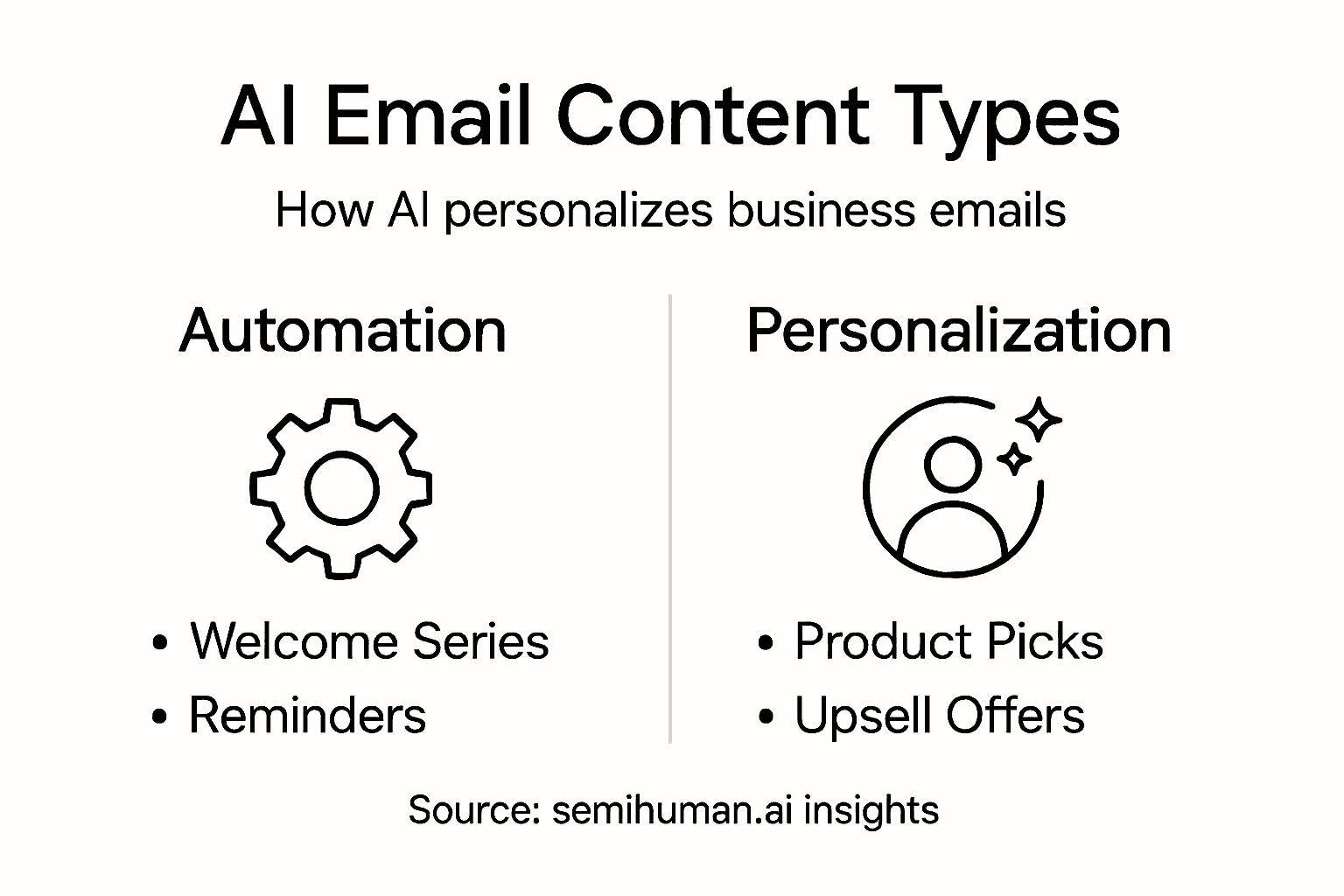
Specific AI email content types break down into several key categories: automated welcome series for new subscribers, personalized product recommendation emails, lifecycle stage-specific communications, abandoned cart recovery messages, and predictive re-engagement campaigns. Each content type serves a unique purpose, from converting initial interest to reactivating dormant customers, with AI technologies enabling unprecedented levels of customization and precision in targeting.
Pro tip: Start by implementing AI-powered email content in one specific customer journey segment, such as welcome emails or abandoned cart reminders, to understand the technology's impact before expanding to more complex applications.
Here's a breakdown of common AI email content types and their marketing impact:
| AI Email Content Type | Primary Use | Typical Business Benefit |
|---|---|---|
| Welcome Series | Onboarding new subscribers | Boosts brand familiarity |
| Product Recommendations | Suggests items based on user data | Increases upsell opportunities |
| Abandoned Cart Recovery | Re-engages shoppers | Improves conversion rates |
| Predictive Re-engagement | Targets inactive users | Revives dormant customers |
| Lifecycle Communication | Matches emails to customer stage | Enhances relevance and timing |
Humanization transforms AI-generated email content from sterile, mechanical communications into compelling narratives that forge genuine emotional connections with recipients. Personalized storytelling techniques enable marketers to craft messages that resonate on a deeply individual level, moving beyond generic mass communication to create meaningful interactions that feel authentically human.

The core of effective humanization lies in bridging the gap between machine efficiency and human empathy. By integrating emotional intelligence into AI-generated content, businesses can create emails that not only deliver information but also demonstrate understanding and compassion. Consumer communication strategies reveal that audiences respond dramatically better to messages that acknowledge their unique experiences, challenges, and aspirations, rather than treating them as anonymous data points.
Successful humanization involves multiple strategic approaches, including contextual personalization, conversational language, empathetic tone, and adaptive content that reflects individual user preferences and behaviors. This means moving beyond simple name insertion to creating emails that genuinely feel like they've been crafted specifically for each recipient, with nuanced messaging that understands their current needs, past interactions, and potential future interests.
Pro tip: Develop a comprehensive customer persona database that captures not just demographic information, but emotional triggers, communication preferences, and individual journey stages to enable more authentic AI-driven email personalization.
Below is a comparison of humanized vs. non-humanized AI email approaches:
| Approach | Typical Traits | Engagement Effect | Brand Perception |
|---|---|---|---|
| Humanized AI | Empathetic, contextual, adaptive | Higher response rates | Feels authentic and personal |
| Non-humanized AI | Robotic, generic, static | Lower open/click rates | Perceived as impersonal |
As artificial intelligence continues to evolve, email marketers face increasingly complex challenges in maintaining both technological sophistication and regulatory compliance. AI content regulations are becoming more stringent, demanding unprecedented levels of transparency and ethical considerations in automated communication strategies.
The landscape of detection evasion in 2026 centers on developing AI-generated content that seamlessly blends authenticity with legal requirements. Ethical AI compliance strategies now require marketers to implement multiple layers of verification, including human oversight, consent management, and clear disclosure of AI involvement. This approach goes beyond simple algorithmic manipulation, focusing on creating genuinely valuable content that respects user privacy and maintains intellectual integrity.
Key compliance strategies for email marketers include implementing robust consent mechanisms, developing transparent AI usage policies, and creating content that prioritizes user experience over algorithmic efficiency. This means moving beyond traditional detection evasion techniques to a more holistic approach that views AI as a collaborative tool rather than a means of circumventing communication standards. Successful implementations will require ongoing training, regular content audits, and a commitment to ethical AI practices that prioritize human values and legal requirements.
Pro tip: Develop a comprehensive AI ethics framework that includes regular compliance checks, user consent verification, and transparent AI content generation processes to stay ahead of evolving regulatory landscapes.
AI email marketing demands a nuanced approach that balances technological efficiency with genuine human connection. Common AI writing risks highlight the critical need for strategic implementation that avoids potential pitfalls that could compromise communication effectiveness.
Over-reliance on AI without human oversight represents one of the most significant dangers in email content generation. Marketing communication challenges demonstrate that purely algorithmic content often lacks emotional depth, resulting in generic messages that fail to engage recipients. Marketers must recognize that AI should augment human creativity, not replace it entirely. This means maintaining a careful balance between automated efficiency and authentic storytelling that resonates with individual audience members.
Key mistakes to avoid include neglecting data quality, ignoring personalization nuances, and failing to implement thorough content verification processes. Email marketers must develop robust strategies that include human review, continuous training of AI models, and stringent ethical guidelines. This approach ensures that AI-generated content remains contextually relevant, emotionally intelligent, and aligned with brand voice while avoiding the sterile, impersonal communication that can trigger audience disengagement.
Pro tip: Implement a structured review process where human editors validate AI-generated email content, focusing on emotional resonance, brand consistency, and genuine value delivery before sending.
Email marketing success hinges on sophisticated AI-powered strategies that transcend traditional communication approaches. Predictive email analytics enable marketers to transform raw data into precision-targeted campaigns that dramatically improve engagement and conversion rates.
Optimizing deliverability requires a multifaceted approach that combines advanced machine learning techniques with strategic content management. By leveraging AI-driven engagement predictions, marketers can dynamically adjust email parameters such as send times, subject line configurations, and content personalization. This intelligent approach helps navigate complex spam filter algorithms, maintain robust sender reputations, and ensure messages reach intended recipients with maximum impact.
Successful optimization strategies involve continuous refinement through real-time performance tracking, audience segmentation, and adaptive content generation. AI technologies now allow for granular analysis of recipient behaviors, enabling marketers to create hyper-personalized communication flows that respond instantly to individual interaction patterns. This means moving beyond static email lists to creating living, breathing communication ecosystems that evolve with each recipient's engagement signals.
Pro tip: Implement a progressive testing framework that uses AI to incrementally refine email content, tracking micro-changes in open rates, click-through rates, and conversion metrics to continuously optimize your communication strategy.
The article highlights the challenge of creating AI-driven email campaigns that feel genuinely human and avoid detection by automated systems. Marketers often struggle with balancing efficiency and emotional connection while ensuring compliance with evolving regulations and maintaining high engagement. Using concepts like humanization, detection evasion, and personalized storytelling, it becomes clear that authenticity is not optional—it is essential for successful email marketing.
Semihuman.ai specializes in transforming AI-generated text into authentic, human-like content that resonates emotionally and improves deliverability. Our platform addresses these pain points by offering advanced text restructuring, keyword integration, and detection evasion tools designed to help marketers craft personalized and compliant emails that truly engage their audience. By bridging the gap between AI efficiency and human empathy, you can boost your brand’s authenticity and rise above generic automated messaging.
Ready to enhance your AI email marketing strategy?
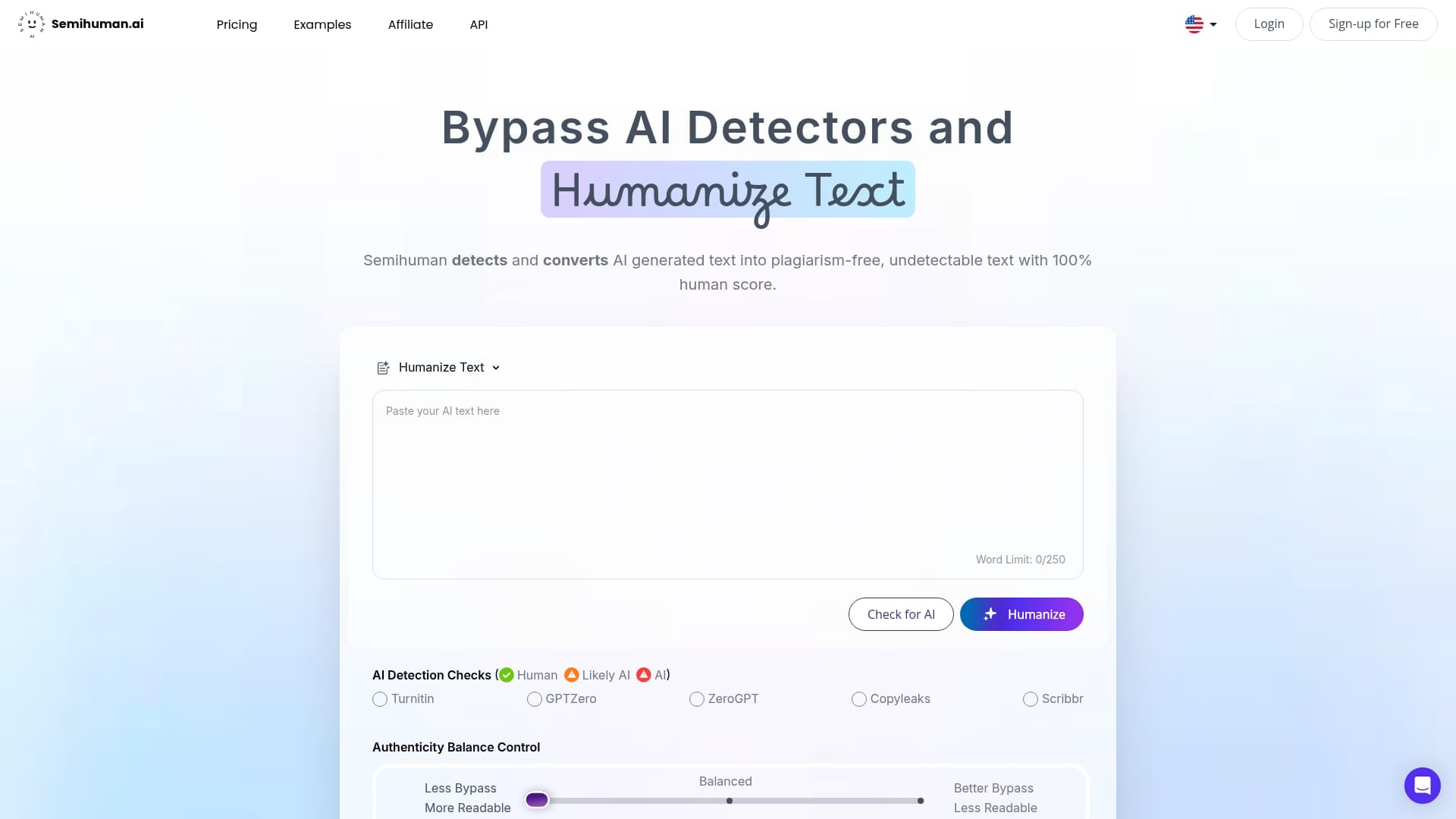
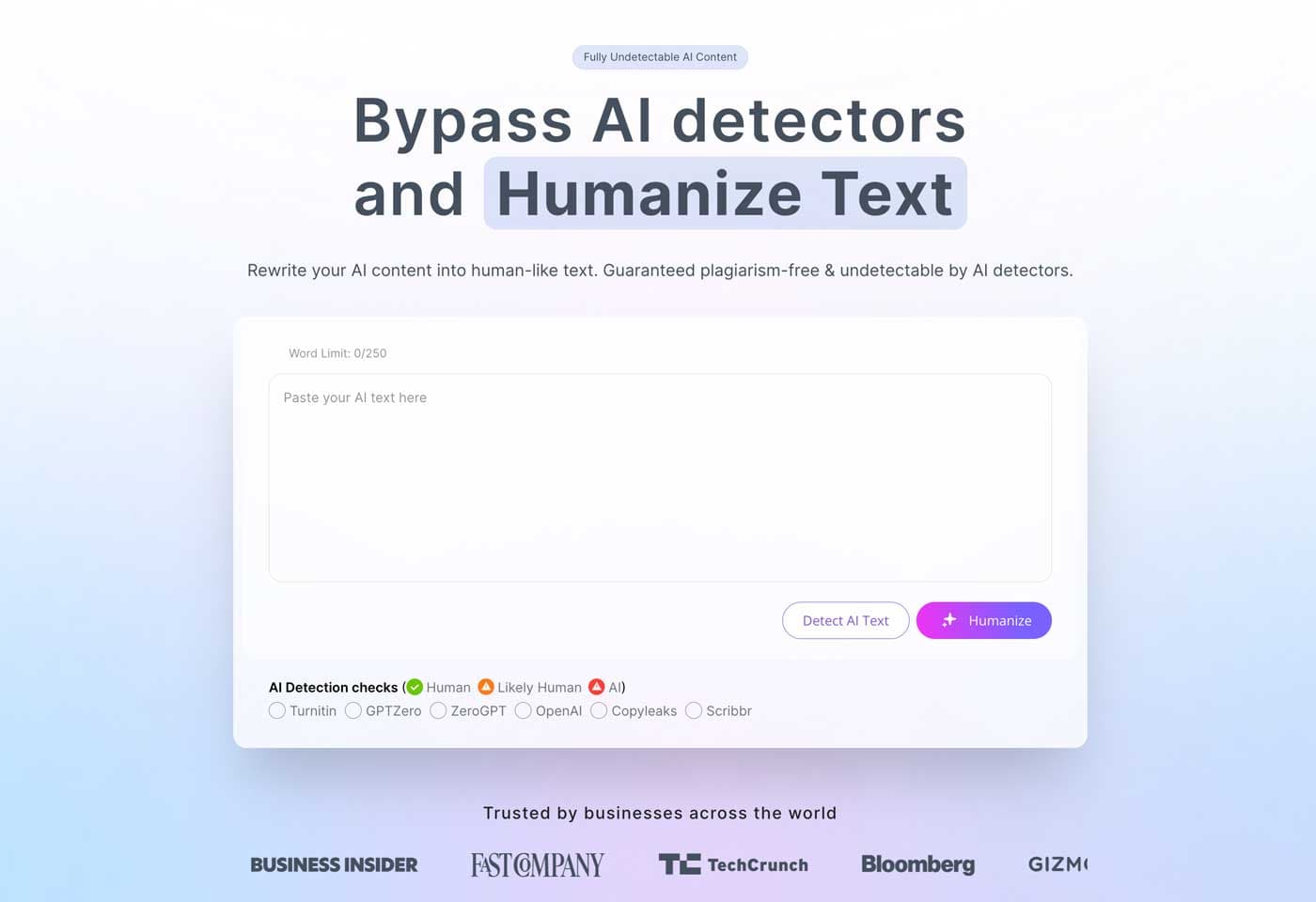
Explore how Semihuman.ai empowers you to create compelling, humanized email content that bypasses AI detection tools such as Turnitin and GPTZero. Start today and experience a new level of authenticity, improved SEO rankings, and greater audience trust. Visit Semihuman.ai now to transform your email marketing and build emotional connections that convert.
AI content for email marketing uses machine learning and advanced analytics to create personalized and effective email campaigns. It analyzes user data to tailor messages, optimize send times, and enhance audience segmentation.
AI improves email content personalization by analyzing behavioral, demographic, and transactional data to create customized messages. It generates dynamic content that adapts to user interactions, making emails feel more relevant and engaging.
Common types of AI email content include automated welcome series, personalized product recommendations, abandoned cart recovery messages, and predictive re-engagement campaigns. Each type serves specific purposes in the customer journey.
Marketers can ensure ethical AI compliance by implementing consent mechanisms, maintaining transparency about AI usage, and prioritizing user experience. Regular compliance checks and human oversight are essential to navigate evolving regulations.


Start
Humanizing
for Free!
Humanize