
Loading...

More than half of American content marketers say their biggest challenge is delivering content that feels truly authentic while meeting strict SEO demands. If you create digital content for a global audience, you’ve likely noticed how quickly AI detection tools have become a real hurdle for freelance writers. This guide offers practical ways to define your target readers, set clear goals, and build a natural voice that helps your work stand out in a crowded online marketplace.
| Takeaway | Explanation |
|---|---|
| 1. Understand Your Audience | Create detailed audience personas that capture demographics, professional contexts, and psychological motivations to tailor content effectively. |
| 2. Conduct Humanized Keyword Research | Focus on user intent and conversational phrases, prioritizing natural language to connect authentically with your readers while boosting SEO. |
| 3. Organize Content Structure Logically | Develop a clear outline with a strong thesis, meaningful section breaks, and smooth transitions to enhance readability and engagement. |
| 4. Write in a Natural Tone | Eliminate AI-like patterns by incorporating personal anecdotes, varying sentence lengths, and embracing a conversational style for authentic writing. |
| 5. Edit for Authentic Voice | Focus on maintaining a personal narrative style during editing by infusing emotional resonance, removing generic language, and ensuring consistent tone. |
Understanding your target audience and establishing clear content goals are foundational steps in creating authentic, resonant content. Successful content strategies begin with deep audience insights and precise strategic objectives that guide every aspect of your creative process.
Audience research is more than basic demographics. It involves creating detailed audience personas that capture psychographic nuances motivating your readers. This means understanding not just who they are, but what drives their interests, challenges, and information seeking behaviors. Comprehensive user intent analysis helps writers map precise content strategies that connect meaningfully.
To effectively define your audience, consider multiple dimensions:
• Demographic Characteristics: Age, location, income, education level • Professional Context: Industry, job role, professional challenges • Psychological Profile: Values, aspirations, pain points • Digital Behavior: Content consumption preferences, platforms used
Parallel to audience definition, articulate your content goals with precision. Are you aiming to educate, persuade, entertain, or solve specific problems? Your goals will determine tone, depth, and presentation style.
Content goals might include: • Building brand awareness • Generating lead conversions • Establishing thought leadership • Providing actionable solutions • Creating engagement and community
Successful content creation requires aligning audience understanding with strategic objectives. By meticulously defining both elements, you create a targeted approach that resonates authentically with your intended readers.
Pro tip: Conduct periodic audience persona reviews every six months to ensure your content strategy remains relevant and responsive to evolving market dynamics.
Keyword research is the strategic foundation of creating content that resonates with both search engines and human readers. The goal is not just to rank higher but to connect authentically with your target audience through intelligent, natural language selection.
Effective keyword research goes beyond simple search volume tracking. It requires understanding user intent, exploring semantic variations, and integrating terms that sound conversational and genuine. Content creation strategies that prioritize humanized SEO help writers craft engaging materials that feel natural while meeting algorithmic requirements.
Key Keyword Research Strategies: • Semantic Keyword Mapping: Identify related terms and conceptual clusters • User Intent Analysis: Understand the underlying questions behind searches • Long Tail Keyword Exploration: Focus on specific, conversational phrases • Competitor Keyword Assessment: Analyze top performing content in your niche
When researching keywords, prioritize phrases that: • Sound conversational • Address specific user questions • Reflect natural language patterns • Demonstrate clear search intent
Utilize tools that offer comprehensive insights into keyword relevance, search volume, and contextual usage. Avoid overloading content with exact match terms. Instead, integrate keywords organically, ensuring they enhance rather than disrupt the reading experience.
Practical Keyword Integration Techniques: • Embed keywords in headers and introductory paragraphs • Use variations and synonyms to maintain readability • Prioritize user comprehension over algorithmic manipulation • Write for humans first search engines second
Pro tip: Create a keyword integration spreadsheet that tracks semantic variations and contextual usage to maintain a natural writing flow while optimizing for search visibility.
Content structure determines whether your writing captivates or confuses readers. An intentional, logical flow transforms raw information into a compelling narrative that guides your audience seamlessly from introduction to conclusion.
Planning your content structure requires strategic thinking and methodical organization. Generating a clear essay outline helps writers map their intellectual journey before diving into drafting.
Essential Content Structure Elements: • Clear Hierarchical Organization • Logical Progression of Ideas • Strategic Section Transitions • Purposeful Narrative Architecture
Develop your content structure through these strategic approaches:
Begin with a Strong Thesis Your opening should immediately communicate the core argument or purpose. Readers need to understand what value they will gain within the first few paragraphs.
Create Meaningful Section Breaks Each section should serve a specific purpose. Use subheadings that function as miniature roadmaps, guiding readers through your conceptual landscape.
Design Smooth Transitions Connect your ideas with purposeful language that helps readers understand how different concepts relate. Avoid abrupt shifts that might disorient your audience.
Build Narrative Momentum Structure your content like a compelling story. Introduce tension, provide insights, and create intellectual progression that keeps readers engaged.
Implement Signposting Techniques Use clear language that signals what is coming next. Phrases like "Furthermore," "In contrast," and "Additionally" help readers anticipate and follow your reasoning.
Recommended Content Flow Strategies: • Introduce context • Present core argument • Provide supporting evidence • Address potential counterarguments • Conclude with actionable insights
Pro tip: Create a content blueprint before writing by sketching out main ideas and potential subsections to ensure a logical and engaging narrative flow.
Authentic writing demands a human touch that transcends robotic language patterns. Your goal is to craft content that sounds like a genuine conversation rather than a machine generated output.
Recognizing and eliminating AI-like writing requires strategic awareness. Avoiding bland AI phrasing helps writers develop a more nuanced and engaging communication style.
Common AI Writing Red Flags: • Overly formal language • Repetitive sentence structures • Lack of personal perspective • Generic, vague explanations • Absence of emotional context
Strategies for Natural Writing:
Embrace Conversational Tone Write as if you are speaking directly to a friend. Use contractions. Ask rhetorical questions. Inject personality into your text.
Vary Sentence Length Mix short punchy sentences with longer more complex ones. Algorithmic writing tends to maintain uniform sentence complexity.
Use Personal Anecdotes Share real world experiences. Personal stories create immediate human connection that AI cannot replicate.
Add Emotional Nuance Incorporate subtle emotional undertones. Reference personal challenges. Show vulnerability.
Break Predictable Patterns Avoid formulaic introductions. Surprise your readers. Start with an unexpected statement or provocative question.
Practical Writing Tips: • Read your text out loud • Ask someone else to review • Check for unnatural repetition • Eliminate corporate jargon • Inject genuine personality
Pro tip: Create a personal style guide documenting your unique writing voice to maintain consistency and authenticity across different content pieces.
Keyword integration is a delicate art of balancing search engine optimization with natural, engaging writing. Your goal is to weave keywords seamlessly into content without making them feel forced or repetitive.
Semantic keyword integration strategies help writers create content that resonates with both algorithms and human readers. Understanding the nuanced approach prevents the dreaded keyword stuffing trap.
Keyword Integration Best Practices: • Prioritize reader experience • Use natural language variations • Focus on context and meaning • Distribute keywords strategically • Maintain conversational tone
Strategic Keyword Placement Techniques:
Primary Keyword in Title and First Paragraph Introduce your main keyword naturally in the opening section. Make it feel organic and essential to the narrative.
Use Semantic Variations Employ synonyms and related terms. Search engines recognize contextual language patterns beyond exact match keywords.
Maintain Reasonable Density Target a keyword density of 1 to 2 percent. This prevents oversaturation while maintaining SEO relevance.
Prioritize Readability Never sacrifice writing quality for keyword inclusion. Natural flow trumps algorithmic manipulation.
Leverage Long Tail Keywords Incorporate specific, conversational phrases that reflect actual user search patterns.
Keyword Integration Checklist: • Write for humans first • Use keywords contextually • Avoid repetitive phrasing • Blend terms naturally • Read content out loud
Pro tip: Create a keyword map that tracks natural variations and contextual usage to maintain authentic writing while optimizing for search visibility.
Authentic writing transcends grammatical correctness it captures the unique essence of human communication. Your editing process should transform mechanical text into a genuine representation of your individual perspective.
Understanding why readers prefer human tone reveals the critical importance of maintaining a distinctive narrative voice during content refinement.
Key Voice and Tone Elements: • Personal perspective • Emotional resonance • Consistent narrative style • Individual language patterns • Authentic expression
Editing Strategies for Authentic Writing:
Read Aloud Hear your text as a listener would. Identify unnatural phrasings or robotic sequences that disrupt genuine communication.
Analyze Sentence Variation Mix sentence lengths. Alternate between short punchy statements and more complex constructions. Uniformity signals artificial generation.
Inject Personal Perspective Incorporate personal insights. Share brief anecdotes. Reference individual experiences that humanize your writing.
Remove Generic Language Eradicate bland corporate speak. Replace vague terms with specific descriptive language that sounds like real conversation.
Maintain Consistent Emotional Temperature Align your writing emotional tone. Whether professional academic or conversational ensure consistent feeling throughout the piece.
Practical Tone Refinement Techniques: • Use contractions naturally • Ask rhetorical questions • Reference real world scenarios • Show vulnerability • Demonstrate genuine curiosity
Pro tip: Create a personal style guide documenting your unique linguistic quirks to maintain consistent authentic voice across different writing projects.
In the age of generative AI, understanding plagiarism detection mechanisms is crucial for maintaining academic and professional integrity. Your content must pass sophisticated screening tools while preserving originality and authenticity.
Plagiarism risks with AI-generated text underscore the complex challenges content creators face in maintaining originality and avoiding unintentional misconduct.
Plagiarism Detection Strategies: • Understand current AI detection algorithms • Use multiple verification tools • Review content for distinct human markers • Maintain original thought processes • Implement strategic text restructuring
Comprehensive Verification Methods:
Run Multiple Detection Tools No single AI detection platform is infallible. Cross reference results from different verification services to get a comprehensive assessment.
Analyze Linguistic Complexity AI generated text often demonstrates predictable sentence structures. Introduce nuanced language variations that reflect genuine human communication.
Incorporate Personal Insights Personal anecdotes and unique perspectives are challenging for AI to replicate. Weave individual experiences into your content.
Manual Text Review Read your content critically. Identify sections that sound formulaic or lack emotional depth.
Utilize Paraphrasing Techniques Rewrite AI generated drafts completely. Focus on expressing ideas through your unique linguistic lens.
Advanced Verification Techniques: • Compare text against academic databases • Check semantic consistency • Review citation patterns • Validate information sources • Assess contextual coherence
Pro tip: Create a personal content verification checklist that includes linguistic variation checks, emotional authenticity assessment, and multi tool plagiarism scanning.
Below is a comprehensive table summarizing the key strategies and guidelines for creating effective, authentic, and engaging content as discussed in the article.
| Strategy | Description | Key Benefits |
|---|---|---|
| Define Target Audience and Goals | Research audience demographics, interests, and behavior; set precise content objectives. | Facilitates creation of resonant and purposeful content. |
| Conduct Keyword Research | Analyze user intent and find relevant, natural language keywords. | Enhances SEO performance while ensuring authenticity. |
| Plan Structured Content | Develop a framework with clear hierarchies and transitions. | Improves readability and maintains reader engagement. |
| Write with a Human Touch | Avoid formulaic patterns by using conversational tone and varied sentence structure. | Elevates content authenticity and reader connection. |
| Integrate Keywords Organically | Place keywords strategically and naturally within your writing. | Balances SEO requirements with content fluidity. |
| Edit for Voice and Authenticity | Refine content tone to maintain a unique narrative style. | Captures audience attention and conveys genuine intent. |
| Ensure Originality | Use verification tools and personal insights to avoid plagiarism and AI-like patterns. | Guarantees credibility and aligns with ethical standards. |
Creating authentic, human-like content is a challenge many writers face as they balance keyword integration, natural flow, and AI detection evasion highlighted in the "7 Steps Content Creation Checklist for Authentic Results" article. If you struggle with avoiding AI-like patterns or ensuring your content speaks with genuine voice while meeting SEO goals your frustration is understandable. Key pain points such as keyword stuffing, robotic phrasing, and plagiarism risks demand precise solutions that connect deeply with your audience while passing strict AI detection systems.
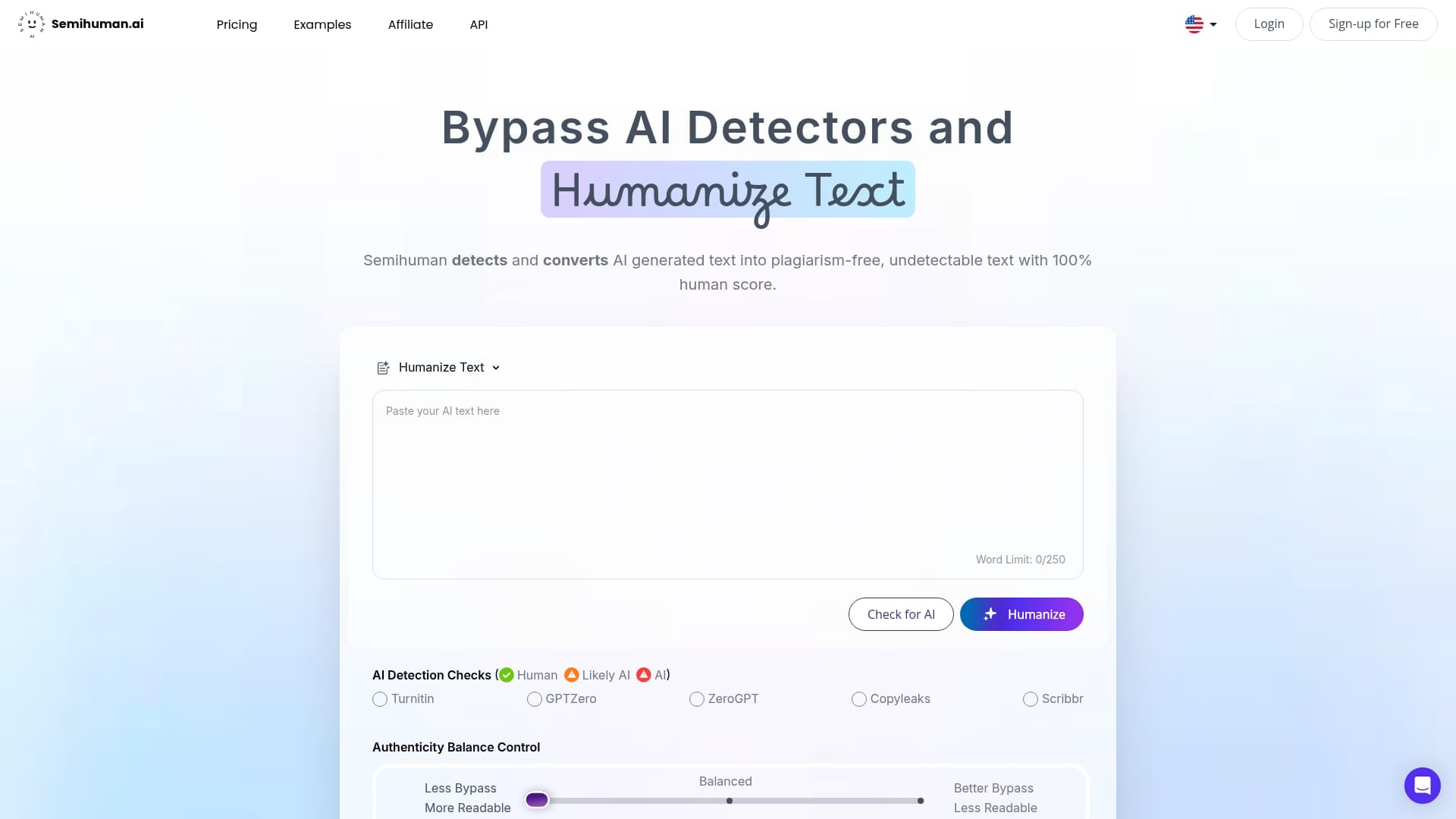
Unlock the power of Semihuman.ai a specialized AI-powered platform designed to help you humanize AI-generated text effortlessly. Use features like intelligent text restructuring, keyword optimization, and detection evasion to create naturally flowing content that scores high in SEO and resonates on a personal level. Whether you are focused on content creation, email marketing, or academic writing, Semihuman.ai makes your work stand out with authenticity and credibility. Don’t let algorithmic pitfalls undermine your efforts take control now by visiting https://semihuman.ai and transform your writing today.
The key steps include defining your target audience, researching keywords, planning your content structure, writing naturally, integrating keywords without overstuffing, editing for tone and authenticity, and checking for plagiarism. Follow each step methodically to create content that resonates with your audience and maintains originality.
To define your target audience, create detailed audience personas that encompass demographic characteristics, professional context, psychological profiles, and digital behaviors. Conduct audience persona reviews every six months to ensure your content strategy remains relevant to changing audience needs.
Embrace a conversational tone by using contractions and asking rhetorical questions. Also, incorporate personal anecdotes and vary sentence length to make your writing engaging and authentic, moving away from predictable structures.
Integrate keywords naturally by using them in the title and first paragraph, and by employing synonyms and related terms throughout your piece. Aim for a keyword density of 1 to 2 percent and prioritize fluid, readable content over strict optimization.
During the editing process, focus on voice and tone by analyzing sentence variation, incorporating personal perspectives, and removing generic language. Read your text aloud to catch robotic phrasing and ensure consistency in emotional resonation.
To maintain originality, run your content through multiple plagiarism detection tools and restructure text to reflect your unique voice. Incorporate personal insights and check for linguistic complexity to enhance authenticity.



Start
Humanizing
for Free!
Humanize