
Loading...

Starting your postgraduate journey means facing tough writing assignments that can feel overwhelming at first. Academic expectations are higher than ever, and trying to decode what is really being asked on each assignment brief can easily leave you confused or frustrated. Without the right approach, it is easy to miss requirements or lose track of important sources as your research grows.
This guide is packed with practical steps that help you understand assignment instructions, manage research, and avoid common academic pitfalls. You will discover simple habits that lead to clear structure, stronger writing, and complete academic integrity every time. Get ready to learn proven strategies that make your postgraduate assignments less stressful and a lot more successful.
| Takeaway | Explanation |
|---|---|
| 1. Understand Assignment Requirements Fully | Clarifying the assignment brief ensures you align your work with expectations, avoiding redundancies and misdirection. |
| 2. Conduct Targeted Research | Define a clear research question and use academic databases to gather relevant sources for your topic effectively. |
| 3. Organize Your Paper Structure | Creating a logical outline helps maintain focus and coherence in your argument, guiding the reader through your ideas. |
| 4. Develop Your Unique Academic Voice | Use personal language and varied sentence structures to distinguish your writing, making it more engaging and authentic. |
| 5. Cite Sources Accurately | Proper citation prevents plagiarism, upholds academic integrity, and demonstrates your scholarly rigor throughout your work. |
Before you write a single word, you need to understand exactly what your assignment is asking for. Many postgraduate students jump into writing without fully grasping the requirements, only to discover midway through that they're heading in the wrong direction.
The assignment brief is your roadmap. It contains crucial information about the type of assignment, expected length, format, and assessment criteria. Clarifying learning outcomes, deadlines, and grading parameters upfront ensures you meet expectations thoroughly and avoid costly revisions later.
Here's what you need to extract from your assignment brief:
Break down multi-part questions into individual components. If your assignment asks you to "discuss three factors and evaluate their impact," treat each factor separately. This prevents you from accidentally skipping requirements and helps you structure your response logically.
Connect your prior knowledge with targeted research based on what the assignment specifically demands. Don't research broadly and hope it's relevant. Instead, research strategically around the actual requirements.
Understanding your assignment requirements before starting prevents wasted effort and ensures your writing directly responds to what's being asked.
Consult the marking criteria before you begin drafting. Many instructors provide rubrics that show exactly how points are awarded. If critical thinking is worth 30% of your grade, you know to emphasize analysis over description.
Timing matters too. Clarifying requirements early allows you to plan your research and writing phases without rushing. Last-minute scrambling almost always produces lower quality work.
Pro tip: Create a simple checklist from your assignment brief and keep it visible while writing, checking off each requirement as you address it to ensure nothing gets overlooked.
Strong research is the foundation of any credible academic paper. Without proper source tracking, you risk losing valuable information, mixing up citations, and inadvertently plagiarizing material.
Start by defining a clear research question that guides your investigation. This keeps your research focused rather than scattered across dozens of tangential articles. Once you know what you're looking for, develop a strategic search approach using relevant keywords and Boolean operators to access databases efficiently.
Here's what effective research and tracking looks like:
Reference management tools are game changers. They capture all citation details upfront, preventing the scramble to relocate sources later. Tools like Zotero and EndNote allow you to store notes, PDFs, and metadata in one organized place, then generate citations in your required format instantly.
Critical evaluation matters just as much as finding sources. Not all sources carry equal weight or reliability. Academic journals are typically stronger than blogs, peer-reviewed articles outrank opinion pieces, and recent research often supersedes outdated findings.
Consistent referencing from the beginning of your research process eliminates scrambling at the end and strengthens your scholarly credibility.
Synthesize information across multiple sources rather than relying on a single perspective. This shows your ability to think critically and understand nuanced arguments. When sources disagree, that's an opportunity to examine the evidence and explain why one perspective holds more weight.
Document everything as you go. Write down page numbers, access dates, and URLs immediately. Many students discover too late that they can't find a source they cited because they didn't record where it came from.
Pro tip: Create a research log spreadsheet tracking sources, key findings, and relevance before you start writing, making it simple to verify citations and spot gaps in your evidence.
Planning your structure before you write saves enormous time and produces far better results. A clear roadmap keeps your argument focused and helps readers follow your logic from start to finish.
Start by unpacking your assignment question thoroughly. Identify what it's really asking you to do, then map out your main argument before touching the keyboard. This prevents you from wandering into tangents or discovering halfway through that you're addressing the wrong question.
Your basic structure should include three core sections:
Organize your main points thematically or chronologically, depending on what makes sense for your topic. Group related ideas together so readers see the connections. Each paragraph should advance your argument, not repeat what you've already said.
Think of your structure as a conversation with your reader. You introduce your position, build evidence step by step, and then summarize why it matters. Planning structure clearly ensures each main idea flows logically into the next, maintaining reader comprehension throughout.
Tools like mind maps help visualize how ideas connect. Start with your central argument, then branch out with supporting points and evidence. This visual approach reveals gaps in your thinking before you start writing.
Define key terms early, especially if they're contested or crucial to your argument. Show that you understand different perspectives on your topic, even if you ultimately disagree with some. This demonstrates intellectual depth.
Thoughtful structure transforms scattered ideas into a compelling narrative that guides readers toward your conclusion.
Clear signposting helps readers navigate your work. Transition sentences between paragraphs should explain how each section connects to your overall argument. Phrases like "This evidence suggests" or "Building on this point" help readers see the logic flow.
Don't over plan. You need enough structure to stay on track, but too much rigidity stifles natural writing. Your outline should be flexible enough to accommodate good ideas that emerge while drafting.
Pro tip: Create a detailed outline with your main points and supporting evidence before writing, then test it by explaining your argument aloud to ensure it flows logically.
Your academic voice matters. It's what distinguishes your work from thousands of other papers on the same topic. Many postgraduate students fall into the trap of copying academic formulas, resulting in bland, forgettable writing that sounds nothing like them.
Developing your own voice means processing complex ideas and presenting an original, coherent argument rather than simply summarizing what others have said. You're not trying to sound like a textbook. You're trying to sound like an educated, thoughtful version of yourself.
Start by moving beyond formulaic expressions. Instead of "It can be argued that," just say "This suggests." Rather than "In the context of," try "Within." Small word choices accumulate into distinctive style.
Experiment with your sentence structure. Mix short, punchy sentences with longer, more complex ones. Vary how you open your paragraphs. These small decisions create rhythm and personality in your writing.
Here's how to develop authentic academic voice:
Your voice in writing emerges when you synthesize evidence from multiple sources and confidently present your unique perspective. You're not just reporting what exists. You're making an argument that only you could make.
Remember that your ideas will evolve while writing. First drafts rarely sound perfect, and that's fine. The refinement process is where your voice truly develops. Don't aim for polish on the first attempt.
Original drafts reflect your thinking, not borrowed phrasing. This authenticity is what makes academic work compelling and credible.
Balance originality with scholarly conventions. Academic writing still requires formality, precision, and evidence-based claims. Finding your voice doesn't mean abandoning academic standards. It means meeting those standards in a way that feels true to how you think.
Time management matters here. Give yourself space to write loosely first, then refine. Rushing the process forces you back into clichés because they're quicker to type.
Pro tip: Write your first draft quickly without self-editing, focusing on getting your ideas and voice onto the page, then revise for clarity and precision in subsequent passes.
Plagiarism can derail your academic career. Whether intentional or accidental, using someone else's words or ideas without proper attribution violates academic integrity and can result in serious consequences. The good news is that understanding correct citation practices protects you.
Plagiarism includes more than copying text word-for-word. It also covers paraphrasing without attribution, failing to use quotation marks for direct quotes, and presenting others' ideas as your own. Many students don't realize that even accidental plagiarism carries penalties.
Start by keeping meticulous research notes from day one. Record the source information immediately when you find material, including author, publication date, page number, and URL. This prevents the panic of trying to relocate sources at the end.
When integrating sources into your writing, you have three main options:
Paraphrasing effectively means truly rewriting ideas in your voice, not just replacing a few words with synonyms. If you change "important" to "significant" but keep the same sentence structure, that's not paraphrasing. It's plagiarism.
Learn the citation style your field requires. APA, MLA, Chicago, and Harvard styles have different formats for in-text citations and reference lists. Consistency matters. Pick one style and apply it throughout your paper.
When in doubt, cite it. Over-citing is impossible. Under-citing is plagiarism. If you're uncertain whether something needs attribution, include it anyway.
Proper citation demonstrates your scholarship while protecting your academic reputation and honoring the scholars whose work you build upon.
Use plagiarism detection tools to check your own work before submission. Services like Turnitin reveal accidental overlaps you might have missed. This gives you a chance to correct issues before your instructor sees them.
Consult your instructor if you're unsure about citation requirements. They'd rather clarify expectations than deal with plagiarism accusations later.
Pro tip: Create a simple citation template in your reference manager before writing, then generate your bibliography automatically to ensure consistent formatting throughout your paper.
As AI writing tools become more sophisticated, institutions increasingly rely on detection software to verify content authenticity. Understanding how these tools work helps you ensure your writing passes scrutiny and maintains academic credibility.
AI detection tools scan your text for patterns typical of machine-generated content. They analyze factors like sentence complexity, word choice consistency, and stylistic markers. Tools like Turnitin, GPTZero, and Originality.ai are now standard across universities.
Why does this matter? If your work contains unattributed AI-generated sections, detection tools will flag them. This triggers plagiarism concerns even if you didn't intentionally deceive anyone. Transparent use of AI with proper disclosure is the safe approach.
Here's what AI detection tools typically check for:
Running your draft through detection tools before submission catches issues early. Many universities provide free access to these platforms. Use them strategically to identify sections that might raise red flags.
If tools flag sections as AI-generated, revise them to inject more authentic voice. Rewrite sentences in your own words, add specific examples from your research, and include personal analysis. Content authenticity improves when you prioritize original thinking over efficiency.
Transparent AI use is becoming the institutional standard. If you use AI tools for brainstorming or drafting assistance, disclose this in your methodology or acknowledgments. This honesty protects your credibility and aligns with emerging academic guidelines.
Detection tools reveal authenticity gaps that strengthen your work through revision, not punish honest effort.
Remember that these tools aren't perfect. They sometimes flag human-written text as AI-generated, especially formal academic writing. Don't panic if you get a high score. Review the flagged sections and judge whether they truly lack authenticity.
Institutions are developing clearer policies around legitimate AI use in academic writing. Stay informed about your school's guidelines and follow them strictly.
Pro tip: Run your final draft through your university's AI detection tool at least one week before submission, giving yourself time to revise any flagged sections and ensure they reflect authentic work.
Below is a comprehensive table summarizing the main sections and guidance presented in the article regarding effective academic writing strategies for postgraduate students.
| Aspect | Description | Key Actions or Tips |
|---|---|---|
| Understand Assignment Requirements | Gain a clear understanding of the assignment's expectations, type, format, and evaluation criteria. | Thoroughly review the brief, identify key elements, and create a checklist to ensure all requirements are met. |
| Conduct Research Correctly | Focus on targeted research and maintain organized source tracking to support your arguments. | Use reference tools (e.g., Zotero), take detailed notes, and verify the reliability of sources. |
| Develop a Structured Plan | Outline the structure of the paper before writing to provide logical flow and clear communication. | Use mind maps or outlines, group related ideas, and ensure each section connects to your primary argument. |
| Write Original Drafts | Develop a distinctive academic voice while adhering to scholarly standards and originality. | Read aloud, synthesize sources, and focus on expressing your unique perspective supported by in-depth analysis. |
| Cite Sources Properly | Adhere to correct citation practices to avoid plagiarism and maintain academic integrity. | Familiarize yourself with the required citation style and record source details meticulously from the beginning. |
| Ensure AI Authenticity | Adapt to the presence of AI detection tools in academic settings to uphold originality and credibility. | Revise flagged sections to reflect authentic writing, and disclose ethical AI use where required per institutional guidelines. |
Understanding the intricacies of the "6-Step Academic Writing Checklist 2025 for Postgraduates" reveals key challenges such as avoiding plagiarism, maintaining an original academic voice, and passing sophisticated AI detection tools. Postgraduate students must craft authentic content while managing citations, paraphrasing effectively, and ensuring their work genuinely reflects their own voice. These requirements can feel overwhelming especially when up against tight deadlines and complex citation rules.
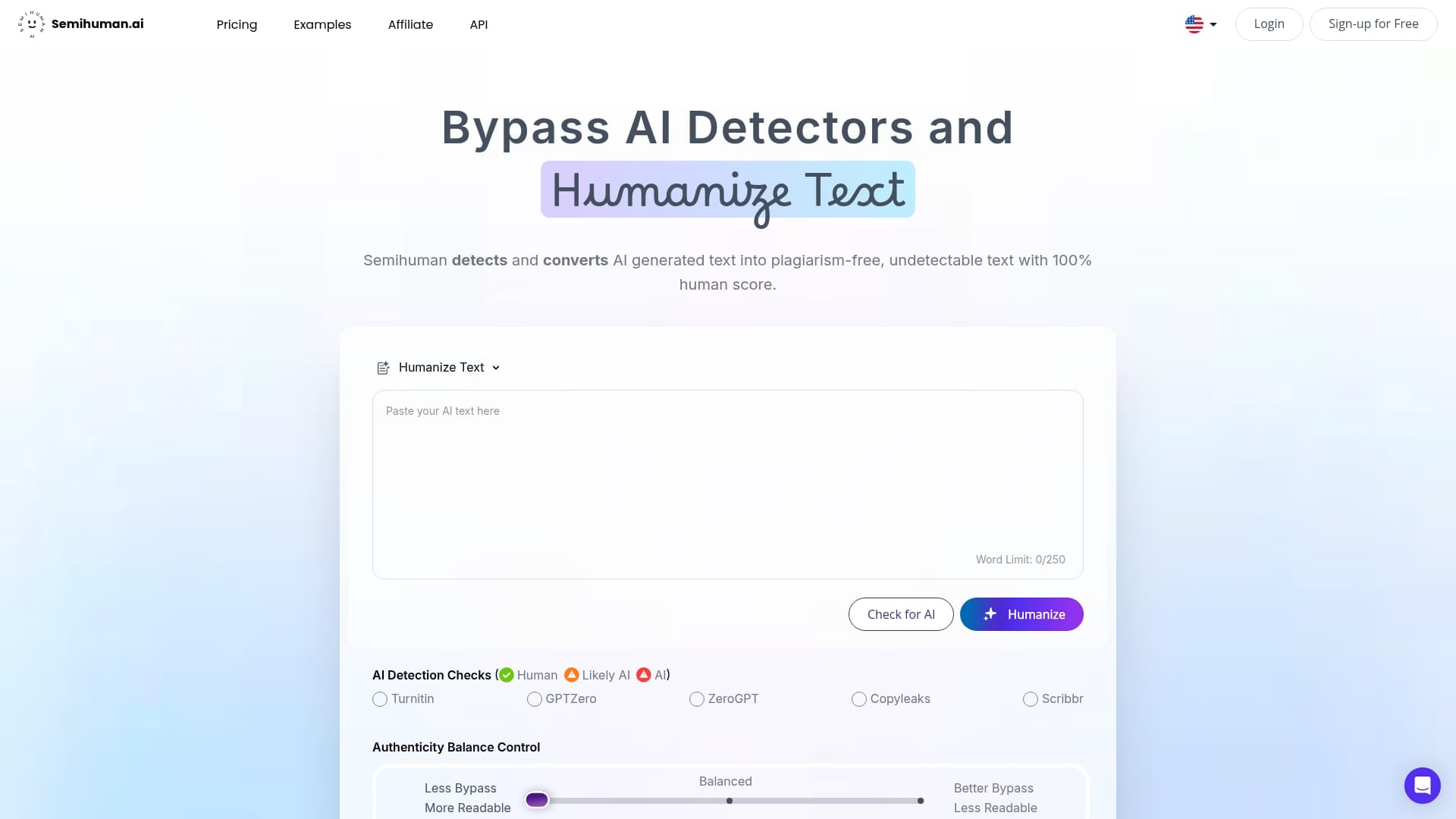
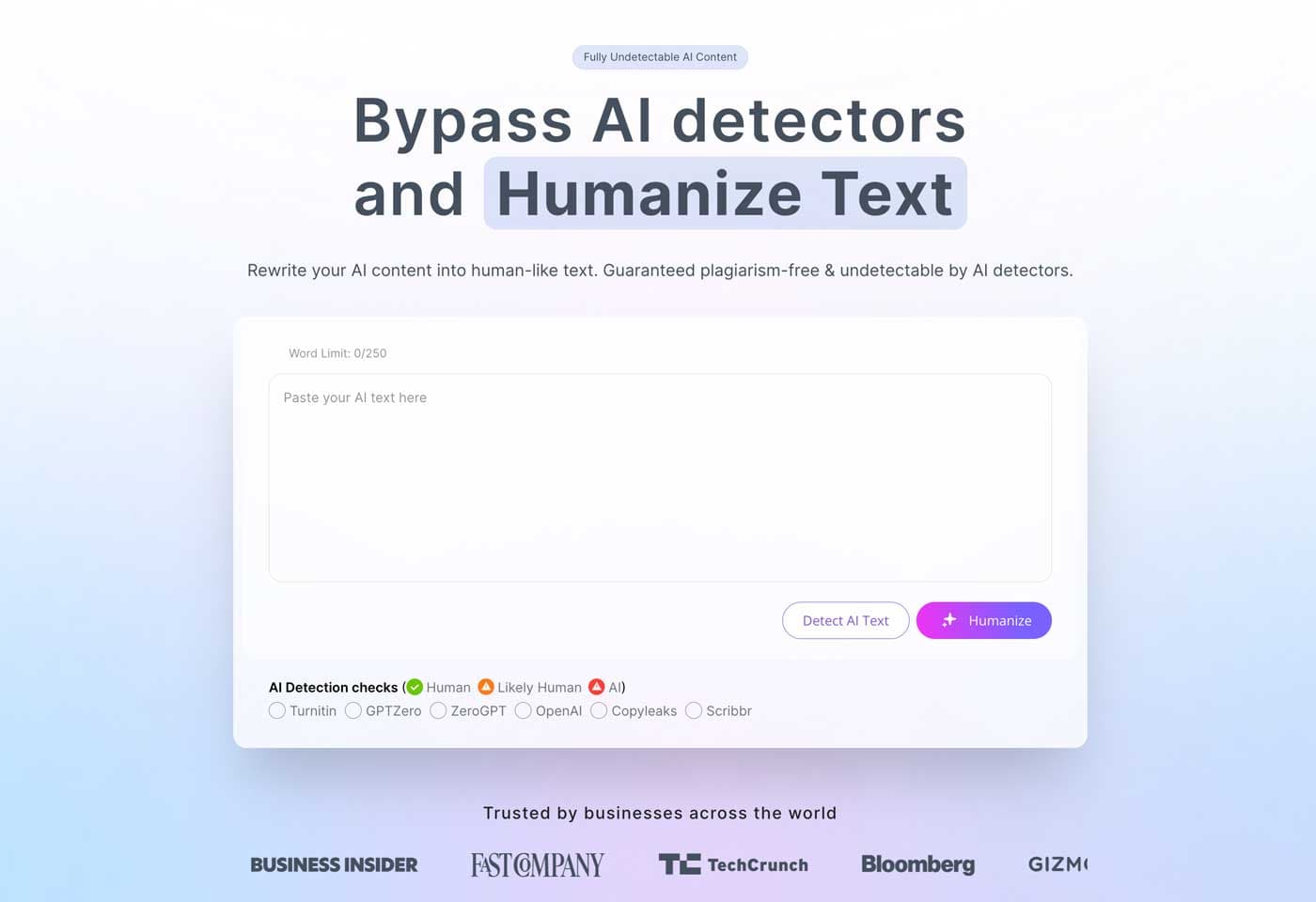
Take control of your academic integrity and voice with Semihuman.ai, a cutting-edge platform designed specifically to transform AI-generated drafts into naturally human-like writing. With features like text restructuring, citation consistency support, and AI detection evasion, Semihuman.ai empowers you to submit papers that confidently pass tools like Turnitin and GPTZero. Start enhancing your writing authenticity today by visiting Semihuman.ai and explore helpful resources to support your journey such as tips on paraphrasing effectively and advice on improving content authenticity. Don't risk your academic progress—use Semihuman.ai now to guarantee your writing stands out as original and credible.
To create a clear understanding of your assignment, extract the type of assignment, word count, deadline, assessment criteria, and required citation style. Break down any multi-part questions to ensure you address each component explicitly during your writing process.
Start by defining a clear research question that guides your exploration. Use academic databases relevant to your field, and track your sources meticulously to ensure you can easily cite them later and avoid academic integrity issues.
Begin by unpacking your assignment question and mapping out your main argument before writing. Organize your paper into clear sections: an introduction, a main body, and a conclusion, ensuring each paragraph logically advances your argument.
Focus on expressing your unique interpretation of ideas rather than relying on formulaic expressions. Experiment with sentence structure and consistently rewrite sentences in your natural language, asserting your reasoning confidently throughout your work.
Keep detailed research notes from the beginning, recording source information immediately. Be sure to use the appropriate citation style for your field and always attribute any ideas or words that are not your own, as this demonstrates scholarship and safeguards against plagiarism.
Run your draft through AI detection tools to identify any sections that may flag as machine-generated content. Revise those sections to enhance authenticity by integrating your unique voice and original analysis before submitting your final draft.


Start
Humanizing
for Free!
Humanize